
Managing business finances is one of the biggest challenges for small businesses. Limited budgets, irregular cash flow, delayed payments, and complicated financial processes can make it difficult for business owners to maintain financial stability. Traditional financial management methods often require significant time and manual effort, which can reduce operational efficiency. Fintech Solutions offer modern tools and technologies that help small businesses simplify financial activities, improve financial visibility, and make smarter business decisions.
From digital payment platforms and automated accounting systems to online lending and financial analytics, financial technology provides practical opportunities for businesses to manage their money more effectively. These solutions also support Credit Management, Risk Management, and Wealth Management, allowing business owners to monitor financial performance and prepare for future challenges. By adopting suitable fintech tools, small businesses can reduce administrative workloads, improve cash flow management, and build a stronger financial foundation for sustainable growth.
Understanding the Role of Fintech Solutions in Small Business Finance
Financial technology combines digital platforms, software, and innovative systems to improve financial services. Small businesses can use these technologies to manage transactions, monitor expenses, organize financial records, and access financial information. Instead of depending entirely on manual processes, business owners can manage important financial activities through integrated digital tools.
Simplifying Everyday Financial Operations
Small businesses handle multiple financial responsibilities, including receiving payments, paying suppliers, managing invoices, and tracking expenses. Managing these activities manually can increase administrative workloads and create opportunities for errors.
Fintech platforms simplify these processes through automated payment systems, digital invoicing, and financial dashboards. Business owners can monitor transactions, access financial records, and manage routine activities from a centralized platform.
Improving Financial Decision-Making
Accurate financial information helps business owners understand their current financial position. Modern fintech platforms provide real-time transaction records, spending summaries, and financial reports.
These insights help businesses identify unnecessary expenses, evaluate profitability, and plan future investments. Better financial visibility allows owners to make decisions based on reliable information rather than assumptions.
Improving Cash Flow Management Through Digital Financial Tools

Monitoring Income and Expenses
Digital financial management platforms help businesses track incoming payments and outgoing expenses. Business owners can review transaction histories, categorize spending, and identify changes in their financial position.
Automated reporting also reduces the need for manually updating spreadsheets. This makes it easier to understand how money moves through the business and identify potential cash flow problems.
Managing Invoices and Payments
Delayed customer payments can create financial difficulties for small businesses. Digital invoicing systems help companies generate professional invoices, send payment reminders, and monitor outstanding balances.
Online payment gateways also provide convenient ways for customers to complete transactions. Faster payment processing can improve cash flow predictability and reduce administrative delays.
Strengthening Credit Management With Fintech Solutions
Credit Management is an important part of maintaining financial stability, particularly for small businesses that depend on loans, supplier credit, or customer payment arrangements. Fintech platforms provide tools that help businesses monitor credit activities, evaluate financial obligations, and manage borrowing more effectively.
Improving Access to Business Financing
Traditional lending processes can be challenging for small businesses because of documentation requirements, limited credit histories, and lengthy approval procedures.
Digital lending platforms can simplify loan applications and provide online access to financing options. Some platforms use financial transaction data and alternative information to assess applications, depending on their lending policies and regulatory requirements.
However, business owners should compare interest rates, repayment terms, processing fees, and eligibility conditions before accepting financing.
Monitoring Credit Obligations
Managing multiple loans and payment commitments can become complicated without proper financial tracking. Digital financial tools help businesses monitor repayment schedules, outstanding balances, and upcoming obligations.
These features allow business owners to prepare for payments and reduce the possibility of missed deadlines. Responsible credit monitoring also supports better financial planning and helps businesses maintain healthier borrowing practices.
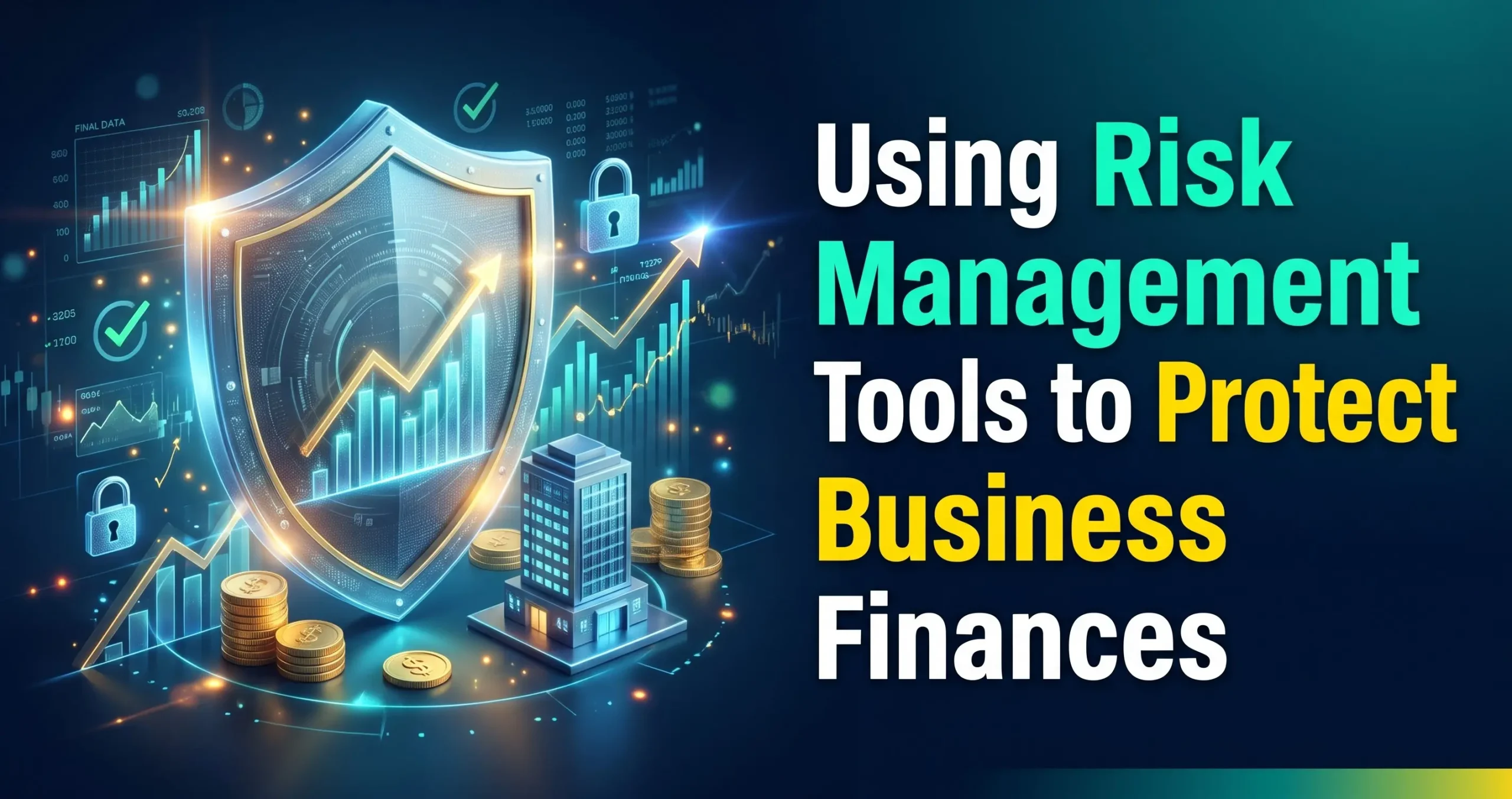
Using Risk Management Tools to Protect Business Finances
Detecting Financial Fraud and Suspicious Transactions
Digital payment systems often include security features designed to identify unusual transaction patterns. These may include transaction monitoring, authentication procedures, fraud alerts, and suspicious activity detection.
Such features help businesses respond quickly when potentially unauthorized activities occur. Business owners should also use strong passwords, multi-factor authentication, and appropriate access controls to protect financial accounts.
Managing Financial Uncertainty
Financial planning tools can help businesses evaluate potential expenses, estimate future cash requirements, and prepare for different financial situations.
For example, a business can use financial forecasting software to understand how reduced sales or increased supplier costs might affect its cash position. Preparing for these situations helps owners make more informed decisions and maintain operational stability.
Supporting Wealth Management and Long-Term Financial Growth
Although small businesses often prioritize immediate expenses, long-term financial planning is equally important. Wealth Management involves organizing financial resources, evaluating investment opportunities, and planning for future financial objectives. Digital financial tools can help business owners understand their financial position and make more structured decisions about available resources.
Creating Better Financial Plans
Financial planning platforms allow business owners to organize budgets, review savings, and monitor financial goals. These tools can provide useful insights into how much money should be reserved for operating expenses, emergency requirements, and future investments.
A structured financial plan helps businesses avoid unnecessary spending and maintain sufficient resources for important activities.
Exploring Investment Opportunities
As businesses become financially stable, owners may consider investing in technology, equipment, expansion, or other growth opportunities.
Fintech platforms can provide access to financial information and investment-related services, depending on the provider and applicable regulations. However, business owners should carefully evaluate investment risks and maintain sufficient working capital before committing funds.
Reducing Accounting Workloads Through Financial Automation
Accounting is a major responsibility for small businesses. Recording transactions, preparing invoices, reconciling accounts, and organizing financial documents can consume valuable time. Fintech solutions reduce manual workloads through automation and provide more organized financial information for business management.
Automating Bookkeeping Activities
Digital accounting platforms can automatically record transactions, categorize expenses, and connect with supported bank accounts or payment services.
This reduces repetitive administrative tasks and helps businesses maintain organized financial records. Automated bookkeeping also makes it easier to review income and expenses when preparing financial reports.
Simplifying Financial Reporting
Financial reporting helps business owners evaluate profitability, operating costs, and overall performance. Digital platforms can generate reports using recorded financial information.
These reports help owners identify spending patterns, compare business performance across different periods, and understand financial trends. Accurate records also make it easier to prepare information for accountants and tax professionals.
Improving Digital Payments and Customer Transactions
Payment convenience has become an important part of the customer experience. Small businesses need payment systems that allow customers to complete transactions efficiently while helping owners manage incoming revenue. Fintech platforms provide multiple digital payment options that support modern business operations.
Accepting Multiple Payment Methods
Digital payment solutions allow businesses to accept payments through supported methods such as debit cards, credit cards, mobile wallets, and online bank transfers.
Offering convenient payment options can reduce transaction friction and improve the purchasing experience. Businesses should select payment providers based on transaction fees, settlement times, security features, and customer preferences.
Managing International Transactions
Businesses that work with international suppliers or customers may need cross-border payment services. Certain fintech platforms support international transfers, currency conversion, and digital payment processing.
These services can simplify transactions across different markets. However, businesses should review exchange rates, transfer charges, processing times, and applicable foreign exchange regulations before choosing a provider.
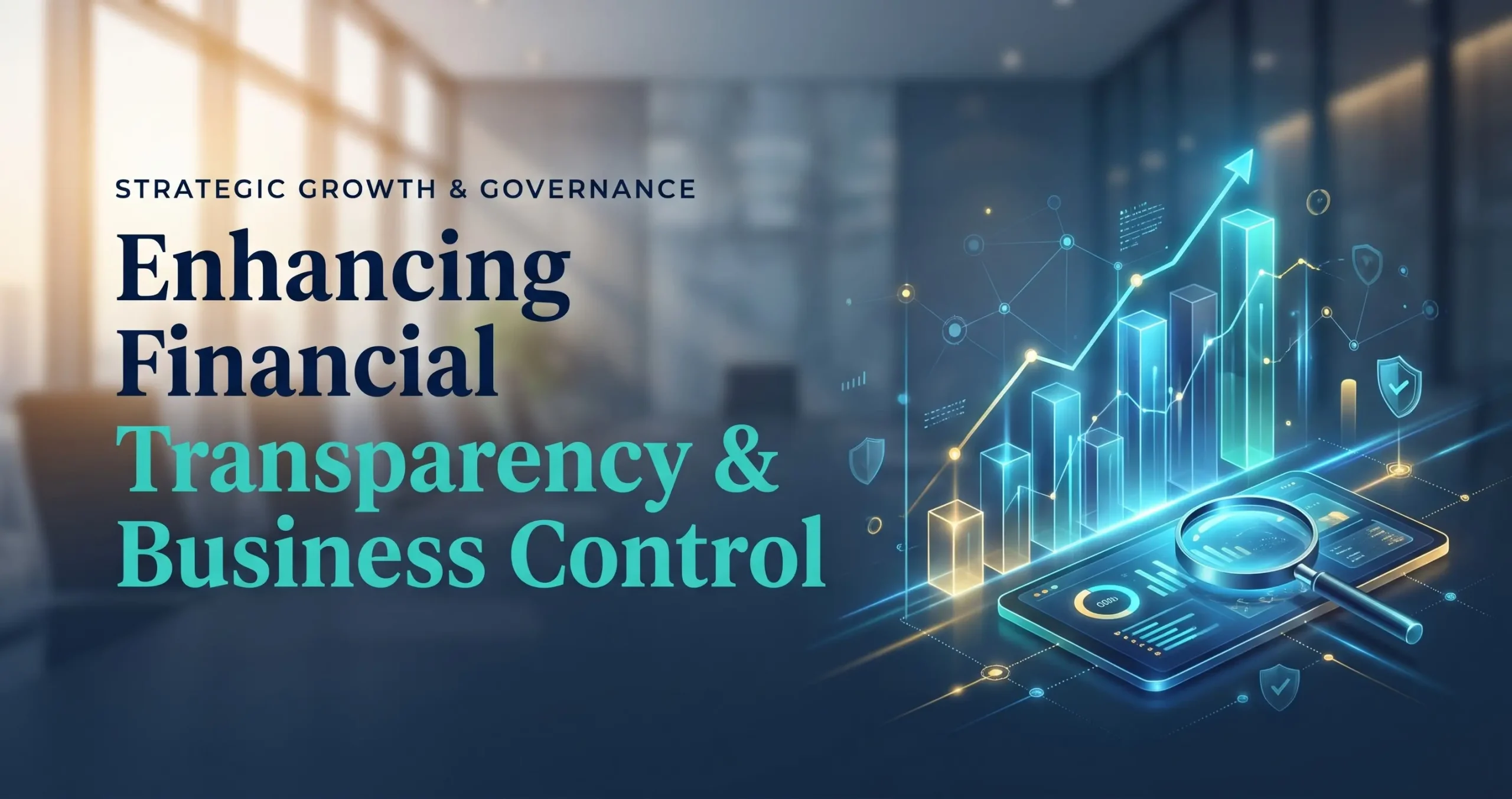
Enhancing Financial Transparency and Business Control
Centralizing Financial Information
Managing financial information across multiple spreadsheets, accounts, and software platforms can create confusion. Integrated fintech systems bring supported financial activities together in a single dashboard.
This allows business owners to review payments, expenses, invoices, and account balances more conveniently. Centralized information also helps authorized team members coordinate financial responsibilities.
Improving Financial Accountability
Digital records make it easier to track financial activities and identify unusual spending. Businesses can assign different access permissions to employees and maintain records of important transactions.
These controls support accountability and reduce the possibility of unauthorized financial activities. They also help business owners maintain better oversight as their operations expand.
Choosing the Right Fintech Solutions for Small Businesses
Selecting appropriate financial technology requires understanding business requirements, available resources, and long-term objectives. Not every platform offers the same features, pricing structure, or security standards. Small businesses should evaluate potential solutions carefully to ensure that their selected tools provide practical value.
Evaluating Features and Affordability
Businesses should identify their main financial challenges before choosing a platform. Some companies may need accounting automation, while others may prioritize digital payments, invoice management, or business financing.
Subscription costs, transaction charges, integration options, and customer support should also be considered. Selecting a platform that matches current requirements can prevent unnecessary expenses.
Prioritizing Security and Compliance
Financial platforms handle sensitive business information, so security should remain a major consideration. Businesses should examine encryption practices, authentication options, account permissions, and fraud prevention features.
They should also confirm that financial service providers operate within applicable regulatory requirements. For businesses operating in Bangladesh, checking relevant Bangladesh Bank regulations and the provider’s authorization status is particularly important.
The Future of Fintech Solutions in Small Business Financial Management
Financial technology continues to develop through artificial intelligence, automation, cloud computing, and advanced data analytics. These developments are creating new opportunities for small businesses to manage finances more efficiently. Companies that adopt suitable technologies can improve financial visibility and prepare for changing business requirements.
Adopting AI-Powered Financial Tools
Artificial intelligence can support financial forecasting, expense categorization, transaction analysis, and fraud detection. These capabilities can help business owners identify financial patterns and understand potential problems more quickly.
AI-powered tools may also provide recommendations based on available financial information. However, important financial decisions should still involve human judgment and appropriate professional advice.
Building Scalable Financial Systems
As small businesses grow, their financial requirements become more complex. They may need to manage additional employees, larger transaction volumes, multiple locations, and more complicated reporting responsibilities.
Scalable fintech systems can support these changing needs without requiring businesses to completely replace their financial processes. Choosing flexible platforms helps organizations maintain efficiency while preparing for expansion.
Conclusion
Managing business finances effectively is essential for small businesses that want to achieve stability and long-term growth. Fintech Solutions simplify financial operations by improving cash flow monitoring, automating accounting tasks, supporting digital payments, and providing better financial visibility.
They also help businesses strengthen Credit Management, improve Risk Management, and develop more structured Wealth Management practices. By selecting secure, affordable, and scalable financial platforms, small businesses can reduce administrative challenges and make more informed financial decisions. As financial technology continues to evolve, adopting suitable digital tools will become increasingly valuable for businesses seeking operational efficiency and sustainable growth. The key is to choose solutions that address real financial needs while maintaining security, transparency, and responsible financial management.
Frequently Asked Questions (FAQs)
1. What are fintech solutions for small businesses?
Fintech solutions are digital financial tools and services that help small businesses manage payments, accounting, invoices, loans, expenses, and financial reporting. They simplify financial operations and improve access to useful financial information.
2. How do fintech solutions help small businesses manage cash flow?
Fintech platforms provide transaction tracking, automated invoicing, payment reminders, and financial reporting. These features help business owners monitor incoming and outgoing funds and identify potential cash flow problems.
3. How does fintech improve credit management?
Fintech tools help businesses monitor outstanding loans, track repayment schedules, evaluate financing options, and organize credit information. These features support responsible borrowing and better financial planning.
4. What is the role of risk management in fintech?
Risk Management helps businesses identify and reduce financial threats such as payment fraud, suspicious transactions, unexpected expenses, and cash flow disruptions. Digital monitoring and security features support better financial protection.
5. Can fintech solutions support wealth management?
Yes. Wealth Management tools can help business owners organize budgets, monitor savings, evaluate financial goals, and explore investment opportunities. They support more structured long-term financial planning.
6. Are fintech solutions affordable for small businesses?
Many fintech platforms offer flexible pricing, free basic plans, or pay-as-you-go services. However, businesses should compare subscription charges, transaction fees, additional costs, and available features before selecting a provider.
7. Are fintech solutions safe for managing business finances?
Fintech solutions can provide security features such as encryption, multi-factor authentication, fraud monitoring, and transaction alerts. Businesses should choose reputable providers and follow appropriate account security practices.
8. How can fintech solutions improve business productivity?
They automate repetitive financial activities, simplify payment processing, organize accounting records, and generate financial reports. This reduces manual workloads and allows business owners to focus more on business development.
9. Can small businesses in Bangladesh use fintech solutions?
Yes. Businesses in Bangladesh can use eligible digital financial services, mobile financial services, online payment gateways, and accounting platforms. They should verify provider authorization, transaction charges, and applicable Bangladesh Bank regulations.
10. How should a small business choose the right fintech platform?
A small business should evaluate its financial requirements, platform features, affordability, security standards, integration capabilities, customer support, and regulatory compliance. The best platform is one that addresses current needs and supports future growth.





How to Achieve Financial Security Through Smart Money Management
Why Do Financial Calculators Automatically Use Two Decimal Places?
Website Design for Financial Services: Building Trust Online
Sustainable Digital Finance: Green Investing Strategies
How Fintech Solutions Help Small Businesses Manage Their Finances
How to Achieve Financial Security Through Smart Money Management
How Investment Management Helps Build and Protect Wealth
Credit Management Techniques to Reduce Bad Debt