

Financial Security is an essential part of building a stable, comfortable, and independent life. It means having enough financial resources to manage everyday expenses, handle unexpected emergencies, achieve personal goals, and prepare for the future without constant financial stress. However, achieving financial stability requires more than earning a regular income. It involves developing smart money management habits, controlling expenses, saving consistently, and making informed financial decisions.
In today’s changing economic environment, individuals and families need practical strategies to protect their money and build long-term financial stability. Proper budgeting, emergency savings, responsible borrowing, and investment planning can make a significant difference in financial well-being. Additionally, understanding Tax Planning, using secure Digital Banking services, and applying effective Wealth Management strategies can help individuals manage their resources more efficiently.
This guide explores practical ways to achieve financial security through smart money management and explains how consistent financial decisions can create a stronger foundation for the future.
Understand Your Current Financial Situation
Understanding your current financial position is the first step toward achieving financial stability. Before creating a financial plan, you need to evaluate your income, expenses, savings, debts, and existing financial responsibilities. This assessment helps identify spending patterns, unnecessary expenses, and opportunities to improve your financial habits.
Evaluate Your Income and Expenses
Start by calculating your total monthly income from employment, business activities, freelance projects, or other sources. Then, compare your income with your monthly expenses, including housing, transportation, groceries, utilities, education, and personal spending.
Understanding where your money goes allows you to identify areas where expenses can be reduced. It also helps you determine how much money you can realistically save each month.
Calculate Your Net Worth
Net worth represents the difference between your total assets and liabilities. Assets may include cash savings, investments, property, and other valuable possessions. Liabilities include loans, credit card balances, and outstanding financial obligations.
Calculating your net worth regularly provides a clear picture of your financial progress. It also helps you understand whether your financial decisions are improving your overall financial position.
Create a Realistic Monthly Budget

Follow a Budgeting Strategy
One popular budgeting method is the 50/30/20 rule. It divides monthly after-tax income into three categories: 50% for essential needs, 30% for personal wants, and 20% for savings and debt repayment.
For example, if your monthly income is 50,000, you could allocate 25,000 for essential expenses, 15,000 for personal spending, and 10,000 for savings and financial goals.
However, this percentage is flexible. People with lower incomes or higher living expenses may need to adjust their budget according to their circumstances.
Review Your Budget Regularly
A budget should not remain unchanged throughout the year. Your income, household expenses, and financial responsibilities may change over time. Reviewing your budget every month helps you identify spending problems and adjust your financial priorities.
You can use a spreadsheet, budgeting application, or simple notebook to track your expenses. Consistent monitoring makes financial management easier and encourages responsible spending habits.
Build an Emergency Savings Fund
An emergency fund protects your financial stability when unexpected expenses occur. Medical bills, job loss, urgent home repairs, and family emergencies can create financial pressure. Without savings, individuals may need to borrow money or use funds reserved for other important goals.
Determine Your Emergency Fund Target
A common financial guideline is to save enough money to cover three to six months of essential living expenses. For example, if your necessary monthly expenses are 25,000, your emergency fund target could range from 75,000 to 150,000.
However, your ideal savings target depends on your employment stability, family responsibilities, income sources, and financial situation.
Save Consistently
You do not need to build an emergency fund immediately. Start with a manageable monthly contribution and gradually increase it as your income improves.
Keep emergency savings in an accessible and secure account rather than investing the entire amount in assets that may be difficult to sell quickly. This ensures that funds remain available when unexpected situations arise.
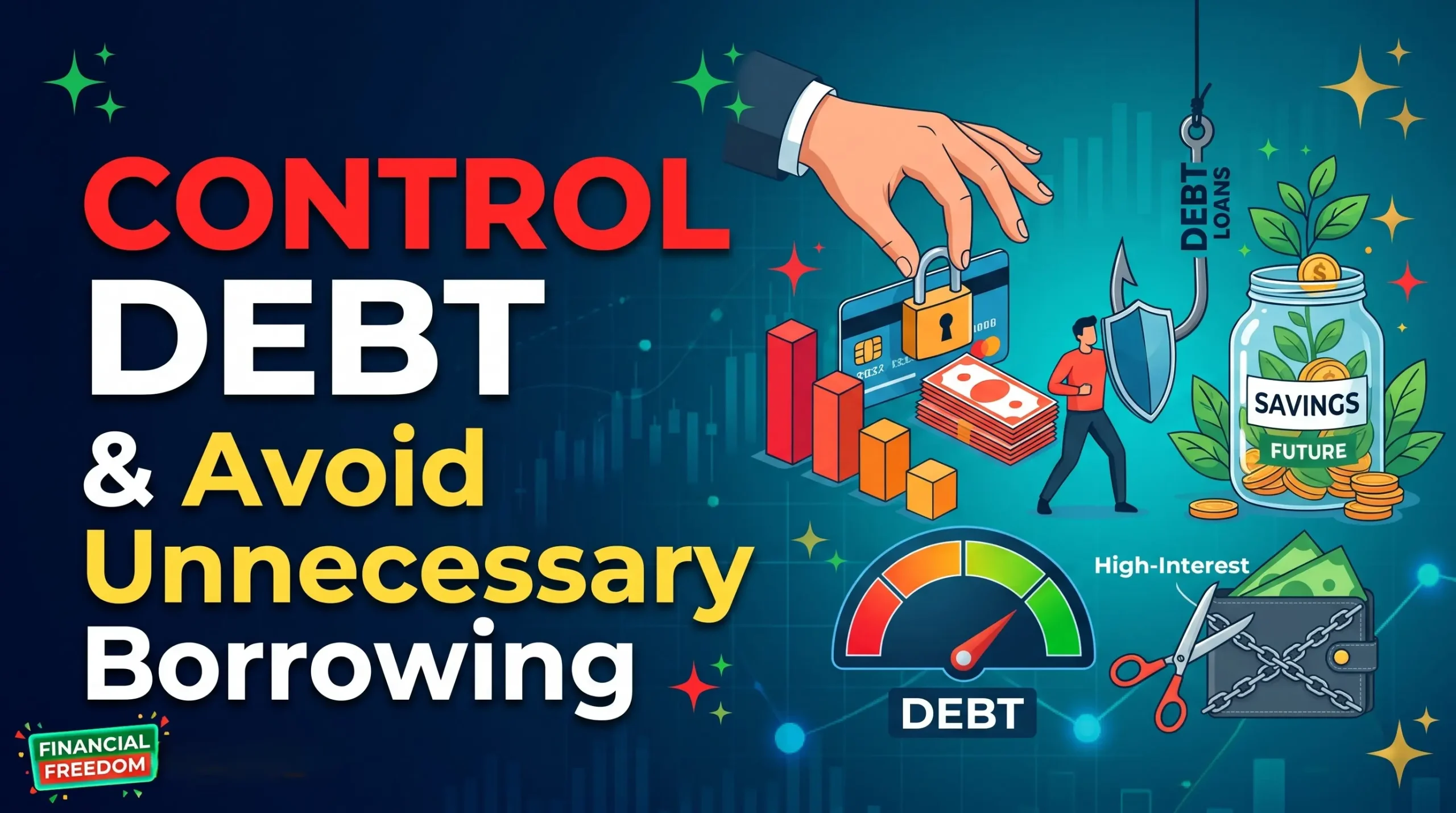
Control Debt and Avoid Unnecessary Borrowing
Prioritize High-Interest Debt
High-interest loans and credit card balances can consume a significant portion of your income. Paying only the minimum required amount may increase the total interest paid over time.
Consider prioritizing debts with the highest interest rates while continuing to make required payments on other obligations. This approach can reduce overall borrowing costs.
Borrow According to Your Financial Capacity
Before taking a loan, evaluate whether your monthly income can comfortably cover the repayment amount alongside essential expenses and savings contributions.
Avoid borrowing money for unnecessary purchases or lifestyle expenses. Responsible borrowing helps protect your future income and reduces financial stress.
Improve Your Financial Knowledge and Decision-Making
Financial knowledge allows individuals to make better decisions about saving, spending, borrowing, and investing. Understanding basic financial concepts can help prevent common money management mistakes and improve long-term financial outcomes.
Learn About Saving and Investing
Saving and investing serve different financial purposes. Savings generally provide accessible funds for short-term needs and emergencies, while investments aim to generate potential returns over longer periods.
Understanding investment risks, expected returns, inflation, and investment time horizons can help you choose suitable financial products.
Develop Financial Discipline
Financial discipline means consistently following your financial plan, even when spending opportunities or unexpected challenges arise. Avoid making emotional financial decisions, especially when considering investments or major purchases.
Developing good financial habits over time can improve your ability to manage money and work toward long-term financial independence.
Use Digital Banking for Better Money Management

Monitor Transactions and Account Activity
Digital banking applications allow users to review account balances, monitor transactions, transfer funds, and receive payment notifications. Regularly checking account activity helps identify unusual transactions and maintain better control over spending. Many banking applications also provide transaction histories that make monthly expense tracking easier.
Maintain Strong Digital Security
Convenience should never come at the expense of financial safety. Use strong passwords, enable two-factor authentication when available, and avoid accessing financial accounts through suspicious links or unsecured public networks.
Never share your PIN, password, or one-time verification codes with anyone. These precautions help protect your money from unauthorized access and online financial fraud.
Understand the Importance of Tax Planning
Effective Tax Planning helps individuals and businesses organize their finances while meeting applicable tax obligations. Understanding tax rules, eligible deductions, exemptions, and reporting requirements can help prevent unnecessary financial complications.
Organize Financial Documents
Keep records of income, expenses, investments, bank statements, and other relevant financial documents. Organized documentation makes tax preparation easier and helps ensure that financial information is accurate.
Individuals should understand the tax rules applicable to their income sources and financial activities.
Plan Taxes According to Applicable Regulations
Tax planning should always follow the laws and regulations of the relevant country. In Bangladesh, taxpayers should understand applicable income tax rules, return submission requirements, and available legal tax benefits.
Consulting a qualified tax professional can help clarify complicated tax matters. Proper planning supports financial transparency and reduces the risk of penalties caused by incorrect reporting or missed obligations.
Develop a Long-Term Wealth Management Strategy
Wealth Management involves organizing financial resources to support long-term financial goals. It includes investment planning, asset allocation, risk management, retirement preparation, and regular financial reviews.
Rather than focusing only on increasing income, effective wealth management emphasizes protecting existing assets and making informed financial decisions.
Diversify Your Investments
Investment diversification means distributing money across different asset categories instead of depending entirely on one investment. Depending on individual circumstances, these may include savings products, government securities, bonds, stocks, or property.
Diversification can help reduce exposure to risks associated with a single asset. However, it does not eliminate investment risk or guarantee profits.
Plan for Retirement and Future Goals
Long-term financial planning should include retirement, children’s education, property purchases, and other important life goals.
Estimate how much money these goals may require and create a realistic savings or investment schedule. Starting early gives your investments more time to grow through potential compound returns.
Protect Your Financial Future With Insurance
Insurance is an important financial protection tool that can help individuals and families manage unexpected losses. Medical emergencies, accidents, property damage, and other unforeseen events may create expenses that are difficult to manage without financial protection.
Choose Suitable Insurance Coverage
Evaluate your personal circumstances before selecting insurance products. Health insurance can help manage eligible medical expenses, while life insurance may provide financial support to eligible beneficiaries after the insured person’s death. Property and other insurance products may also protect valuable assets against specified risks.
Review Your Insurance Policies
Your insurance requirements may change as your income, family responsibilities, and financial assets increase. Review your policies regularly to ensure that the coverage remains appropriate.
Understand policy exclusions, premiums, claim requirements, and coverage limits before purchasing any insurance product.
Set Financial Goals and Track Your Progress
Setting clear financial goals makes money management more purposeful. Without specific targets, it can become difficult to measure financial progress or decide how much money should be allocated to different priorities.
Establish Short-Term and Long-Term Goals
Short-term financial goals may include building an emergency fund, paying off debt, or saving for a necessary purchase. Long-term goals may include purchasing property, funding higher education, or preparing for retirement. Assign realistic timelines and savings targets to each goal. This approach helps turn general financial intentions into measurable actions.
Evaluate Your Financial Performance
Review your savings, investments, outstanding debts, and monthly expenses regularly. Compare your current financial position with previous months to understand whether your money management strategies are producing positive results. If your financial goals become difficult to achieve, adjust your budget and spending habits instead of abandoning your overall plan.
Conclusion
Achieving Financial Security through smart money management requires consistency, discipline, and informed financial decisions. Creating a realistic budget, building emergency savings, controlling debt, and developing financial knowledge can help individuals establish a stronger financial foundation.
Additionally, effective Tax Planning, secure Digital Banking, and responsible Wealth Management can improve financial organization and support long-term goals. Insurance and retirement planning also play important roles in protecting future financial stability.
Financial security does not happen overnight. It develops through small, responsible decisions made consistently over time. By understanding your financial situation and following a practical money management strategy, you can move toward a more stable and financially independent future.
Frequently Asked Questions (FAQs)
1. What is Financial Security?
Financial Security means having sufficient financial resources to manage daily expenses, handle unexpected emergencies, repay financial obligations, and achieve future goals without experiencing constant financial stress.
2. How can I achieve Financial Security?
You can achieve Financial Security by creating a monthly budget, saving consistently, controlling debt, building an emergency fund, investing responsibly, and planning for future financial needs.
3. Why is smart money management important?
Smart money management helps individuals control expenses, increase savings, avoid unnecessary debt, and make informed financial decisions. It also supports long-term financial stability and independence.
4. How much money should I save every month?
The amount depends on your income, expenses, and financial responsibilities. A common guideline is to save approximately 20% of your monthly income, but you can start with a smaller amount.
5. What is an emergency fund?
An emergency fund is money reserved for unexpected expenses, such as medical emergencies, job loss, urgent repairs, or other financial difficulties. A common target is three to six months of essential expenses.
6. How does Digital Banking improve financial management?
Digital Banking allows users to monitor transactions, check balances, transfer funds, and manage payments conveniently. It can also make expense tracking easier through digital transaction records.
7. Why is Tax Planning important for financial security?
Tax Planning helps individuals understand their tax responsibilities, organize financial documents, identify applicable legal tax benefits, and avoid unnecessary penalties.
8. What is the role of Wealth Management in financial planning?
Wealth Management helps individuals organize investments, manage financial risks, protect assets, and prepare for long-term goals such as retirement and financial independence.
9. How can I protect myself from financial risks?
You can reduce financial risks by maintaining emergency savings, choosing suitable insurance coverage, avoiding excessive debt, diversifying investments, and protecting your banking information.
10. How long does it take to achieve financial security?
There is no fixed timeline. It depends on income, expenses, debt, savings habits, and financial goals. Consistent planning and responsible financial decisions can gradually improve your financial position.






Bridging the Unbanked Gap with Mobile Digital Finance
Market basket analysis: Transforming Education Through Calm and Focus
Zero-Knowledge Proofs: Transforming Education Through Calm and Focus
Website Design for Financial Services: Building Trust Online
How to Achieve Financial Security Through Smart Money Management
How Investment Management Helps Build and Protect Wealth
Credit Management Techniques to Reduce Bad Debt
How Reliable Loan Services Support Long-Term Financial Planning