

Investment Management plays an important role in helping individuals build wealth, protect their financial assets, and prepare for long-term financial goals. Whether someone wants to save for retirement, purchase a home, fund a child’s education, or achieve financial independence, a structured investment approach can make these goals more achievable.
Effective investment management involves selecting suitable investments, monitoring portfolio performance, controlling financial risks, and adjusting strategies as personal circumstances and market conditions change. It also connects investment decisions with Tax Planning, Risk Management, and Wealth Management to create a more comprehensive financial strategy. By understanding these principles, investors can make informed decisions, avoid unnecessary risks, and work toward sustainable financial growth.
What Is Investment Management?
Investment management is the process of planning, selecting, monitoring, and adjusting financial assets to achieve specific financial objectives. It may involve stocks, bonds, mutual funds, exchange-traded funds, real estate, and other investment opportunities. The primary goal is to align investment decisions with an investor’s financial situation, time horizon, and tolerance for risk.
Professional investment managers may help clients develop portfolios, evaluate market opportunities, and review performance. Individual investors can also manage their investments independently by researching available options and following a consistent financial plan. Regardless of the approach, effective investment management requires patience, discipline, and an understanding of how different assets perform under changing economic conditions.
Understanding Investment Goals
Investment goals provide direction for financial decisions. Short-term goals may include building an emergency reserve or saving for a major purchase, while long-term goals may involve retirement planning or creating generational wealth. Each goal requires a different strategy based on its deadline and financial importance.
Clearly defined goals also help investors determine how much money to invest and which assets may be appropriate. Someone saving for a purchase within two years may prioritize stability and liquidity, while an investor with a retirement horizon of several decades may be able to accept greater market fluctuations in pursuit of long-term growth.
Choosing the Right Investment Strategy
An investment strategy should reflect an individual’s income, expenses, existing assets, financial responsibilities, and investment experience. Some investors prioritize capital preservation, while others focus on income generation or long-term capital appreciation. The right strategy balances these objectives instead of relying on market trends or short-term predictions.
Investors should regularly review whether their chosen strategy still matches their needs. A new job, family responsibility, major expense, or approaching retirement may change the amount of risk they can reasonably accept. A flexible investment plan allows them to respond to these changes without abandoning their overall financial objectives.
How Investment Management Helps Build Wealth

Although investment returns are never guaranteed, a disciplined strategy can improve financial decision-making and reduce avoidable mistakes. Consistent investing, realistic expectations, and an understanding of market behavior help investors focus on long-term progress instead of reacting emotionally to temporary market movements.
The Power of Compound Growth
Compound growth occurs when investment earnings generate additional earnings over time. For example, when an investment produces returns and those returns remain invested, the portfolio may grow more quickly over an extended period. The effect depends on the amount invested, the rate of return, fees, taxes, and the length of time the money remains invested.
Starting early can give compounding more time to work. Investors who contribute regularly may also benefit from building consistent financial habits. However, actual returns fluctuate, and investments can lose value. Compound growth is a potential advantage of long-term investing, not a promise of a particular financial outcome.
Portfolio Diversification
Diversification involves spreading investments across different assets, industries, regions, or investment categories. Its purpose is to avoid depending too heavily on the performance of one company, sector, or market. If one investment performs poorly, other holdings may help offset some of the impact, although diversification cannot eliminate every type of risk.
A diversified portfolio might combine equities, bonds, cash equivalents, and other suitable assets according to the investor’s goals and circumstances. The appropriate allocation depends on factors such as investment horizon, liquidity requirements, and tolerance for losses. Reviewing the portfolio periodically helps ensure that its allocation remains aligned with the original plan.
Reinvesting Investment Income
Some investments provide income through dividends, interest payments, or distributions. Reinvesting eligible income allows investors to purchase additional assets instead of spending those earnings immediately. Over time, these additional holdings may contribute to portfolio growth and increase the potential benefits of compounding.
Investors should evaluate whether reinvestment suits their current financial needs. Someone building retirement savings may prefer to reinvest income, while a retired individual may need investment distributions to cover living expenses. The decision should reflect personal cash flow requirements, applicable taxes, and the overall investment strategy.
How Investment Management Helps Protect Wealth
Building wealth is only one part of financial success. Protecting accumulated assets against market volatility, inflation, unexpected expenses, and poor financial decisions is equally important. Investment management helps investors identify potential threats, establish reasonable safeguards, and make adjustments when their financial circumstances or economic conditions change.
Wealth protection does not mean avoiding every investment that carries risk. Instead, it involves understanding which risks are acceptable and ensuring that the portfolio is not exposed to losses that could seriously disrupt important financial goals. A thoughtful strategy combines suitable asset allocation, emergency savings, regular reviews, and careful financial planning.
Managing Market Volatility
Financial markets move in response to interest rates, economic growth, company performance, geopolitical developments, and investor sentiment. These changes can cause portfolio values to rise or fall, sometimes significantly. A well-designed investment strategy helps investors understand these fluctuations and avoid making rushed decisions based solely on short-term market movements.
Investors can prepare for volatility by choosing an appropriate asset allocation, maintaining sufficient liquidity, and establishing clear rules for reviewing their investments. Selling assets during every downturn may turn temporary declines into permanent losses. However, investors should still reassess whether their portfolios remain suitable when their goals, financial needs, or underlying investment conditions change.
The Importance of Risk Management
Risk Management is a central part of protecting investment capital. It involves identifying potential sources of loss, evaluating their possible impact, and taking reasonable steps to reduce exposure. Common risks include market risk, inflation risk, interest-rate risk, liquidity risk, and concentration risk. Each can affect investment outcomes differently.
Investors can manage these risks through diversification, suitable asset allocation, realistic return expectations, and periodic portfolio reviews. They should also avoid investing money needed for essential expenses in highly volatile assets. Understanding the possibility of losses before making an investment helps individuals choose opportunities that fit their financial capacity and long-term objectives.
Maintaining an Emergency Fund
An emergency fund provides accessible money for unexpected expenses, such as medical bills, urgent repairs, or temporary income loss. Without adequate reserves, investors may have to sell long-term investments at unfavorable prices to cover immediate needs. This can interrupt a wealth-building strategy and potentially create additional financial pressure.
The appropriate emergency reserve depends on income stability, household responsibilities, and monthly expenses. Keeping these funds separate from long-term investments helps preserve liquidity and financial flexibility. Investors should also consider the safety, accessibility, and applicable protections of the accounts used to hold emergency savings.
The Role of Tax Planning in Investment Management

Effective tax planning should follow applicable laws and reporting requirements. Investors may need to consider taxes on dividends, interest, capital gains, rental income, and other investment earnings. Because tax rules vary by jurisdiction and can change over time, consulting a qualified tax professional can help individuals make decisions that fit their circumstances.
Understanding After-Tax Returns
An investment’s headline return does not always reflect the amount an investor ultimately keeps. Taxes, management fees, transaction costs, and other expenses can reduce the net return. Comparing investments after these costs provides a more realistic picture of their potential contribution to long-term financial goals.
For example, two investments may produce similar gross returns but deliver different after-tax outcomes because of their structure or tax treatment. Investors should evaluate the full cost of holding each asset rather than focusing only on advertised returns. This approach encourages more informed comparisons and supports realistic financial projections.
Coordinating Investments With Tax Obligations
Tax considerations should form part of the investment decision-making process rather than being addressed only at the end of the financial year. Investors can review the tax implications of selling assets, receiving distributions, or changing portfolio allocations before taking action. This can help them understand potential obligations and avoid unexpected liabilities.
The right approach depends on local tax regulations and the investor’s financial situation. In some circumstances, timing a transaction may affect the applicable tax treatment, but investors should not make decisions based solely on tax savings. Investment quality, liquidity, risk, and long-term objectives should remain central to the decision.
Connecting Investment Management With Wealth Management
Wealth Management takes a broader view of a person’s financial life. It can combine investment management with retirement planning, estate considerations, cash flow management, tax coordination, insurance needs, and financial goal setting. This integrated approach helps ensure that individual investment decisions support wider financial priorities.
For example, an investor approaching retirement may need to balance portfolio growth with dependable income and access to cash. A younger investor may prioritize long-term accumulation while gradually building emergency savings and protecting against financial setbacks. Connecting investment decisions with other financial needs creates a more coordinated strategy that can adapt as life circumstances change.
Retirement and Long-Term Financial Planning
Retirement planning requires investors to consider how much money they may need, when they expect to stop working, and how their savings could support future expenses. Investment management helps structure a portfolio around these requirements while accounting for inflation, potential market declines, and changing income needs.
As retirement approaches, investors may need to reconsider their allocation and liquidity. However, moving entirely into low-risk assets is not always appropriate because retirement can last for decades. A balanced approach should consider the need for both capital preservation and continued growth, based on individual circumstances.
Preserving Wealth for Future Generations
Some investors want their accumulated assets to support children, dependents, or charitable causes. Long-term wealth preservation may involve reviewing ownership arrangements, beneficiary designations, estate plans, and the financial needs of family members. These decisions can influence how assets are maintained and transferred over time.
Investment management supports these objectives by helping investors organize their portfolios around long-term family goals. Legal and tax requirements vary by location, so estate planning should be coordinated with qualified professionals where appropriate. Clear documentation and periodic reviews can help keep financial arrangements consistent with the investor’s intentions.
Common Investment Management Mistakes to Avoid
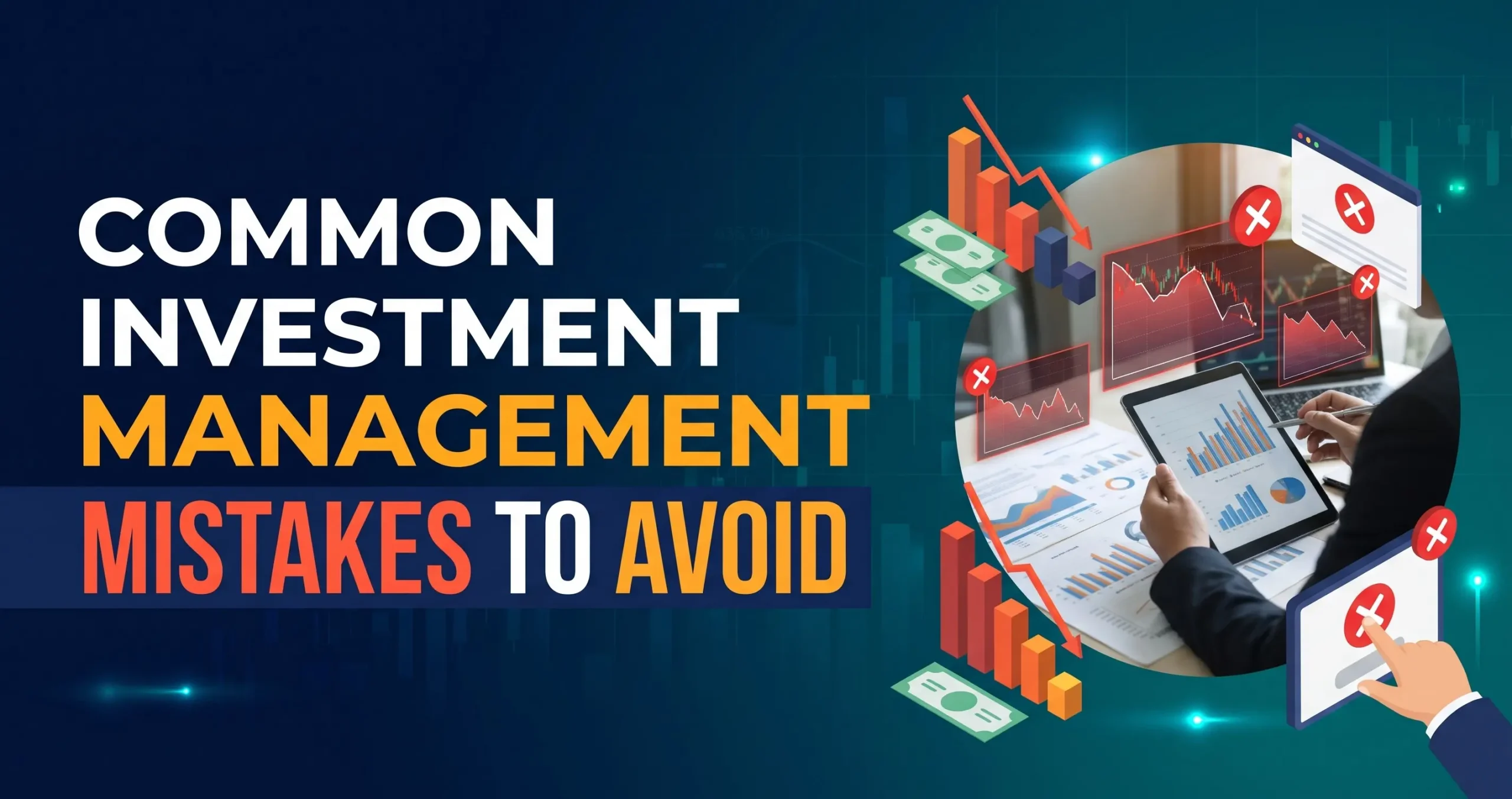
Another common mistake is ignoring fees, taxes, and liquidity requirements. Small recurring costs can reduce long-term returns, while investments that are difficult to sell may be unsuitable for money needed soon. Investors can reduce these problems by researching opportunities, maintaining a written plan, reviewing performance consistently, and understanding the reasons behind every major portfolio decision.
Avoiding Emotional Investment Decisions
Fear and excitement can lead investors to buy after prices have risen sharply or sell during periods of uncertainty. Such reactions may undermine long-term objectives and encourage inconsistent behavior. A clear investment plan helps individuals evaluate decisions using their financial goals, time horizon, and risk tolerance instead of relying entirely on short-term market sentiment.
Investors should distinguish between temporary price movements and meaningful changes in an investment’s underlying prospects. Regular reviews can provide opportunities to make evidence-based adjustments. When uncertainty is high, seeking qualified financial advice may help investors evaluate their options without making impulsive decisions.
Conclusion
Investment Management provides a structured way to build wealth, protect financial assets, and work toward important life goals. Through diversification, consistent investing, portfolio monitoring, and careful Risk Management, investors can make more informed decisions and prepare for changing market conditions. Integrating Tax Planning and broader Wealth Management considerations can also help align investment choices with long-term financial needs.
Successful investing requires patience, realistic expectations, and regular evaluation rather than guaranteed returns or quick solutions. By understanding their goals, controlling avoidable risks, and adapting their strategies as circumstances change, investors can improve their ability to build and preserve wealth over time. For complex financial situations, a qualified financial adviser or tax professional can provide guidance suited to individual needs and local regulations.
Frequently Asked Questions
1. What is investment management?
Investment management is the process of selecting, monitoring, and adjusting investments to achieve financial goals. It involves evaluating assets, balancing risk and potential returns, and reviewing portfolio performance as market conditions and personal circumstances change.
2. How does investment management help build wealth?
Investment management supports wealth creation through disciplined investing, diversification, reinvestment of eligible income, and long-term planning. These practices can help investors pursue growth while making decisions that reflect their financial objectives and tolerance for risk.
3. Can investment management protect wealth from losses?
Investment management can help reduce certain risks through diversification, suitable asset allocation, and regular portfolio reviews. However, no strategy can eliminate all investment risks or guarantee that a portfolio will not lose value.
4. Why is diversification important in investment management?
Diversification spreads investments across different assets or markets instead of relying on a single holding. It can reduce the impact of poor performance in one area, although it cannot prevent losses during broad market declines.
5. What is the role of risk management in investing?
Risk management identifies potential sources of financial loss and helps investors decide how much risk they can reasonably accept. Strategies may include diversification, maintaining emergency savings, controlling concentration, and matching investments to financial goals.
6. How does tax planning affect investment returns?
Tax planning helps investors understand how taxes may affect earnings from investments. Considering applicable taxes alongside fees and transaction costs provides a clearer picture of potential after-tax returns and supports more informed financial decisions.
7. What is the difference between investment management and wealth management?
Investment management focuses primarily on selecting and overseeing investments. Wealth management takes a broader approach that may also include retirement planning, tax coordination, estate considerations, cash flow management, and other financial needs.
8. How often should an investment portfolio be reviewed?
A portfolio should be reviewed periodically and whenever a significant financial or personal change occurs. Some investors review their allocation quarterly or annually, while others use different schedules based on their strategy, investment complexity, and professional guidance.
9. Is investment management suitable for beginners?
Yes. Beginners can benefit from setting clear goals, understanding basic investment options, maintaining emergency savings, and learning about diversification and risk. Starting with a simple, affordable strategy may help build confidence and consistent financial habits.
10. Should I hire a professional investment manager?
A professional investment manager may be helpful when your finances are complex, your portfolio is substantial, or you need support with investment decisions. Before hiring one, review their qualifications, fees, services, and approach to risk to determine whether they fit your needs.




How Reliable Loan Services Support Long-Term Financial Planning
Credit Management Techniques to Reduce Bad Debt
The Importance of Insurance Services in Financial Planning
AI Credit Scoring: Revolutionizing SME Banking and Digital Loans
How Investment Management Helps Build and Protect Wealth
Credit Management Techniques to Reduce Bad Debt
How Reliable Loan Services Support Long-Term Financial Planning
The Importance of Insurance Services in Financial Planning