

Retirement Planning is an essential part of building a secure financial future. A well-designed retirement strategy helps you estimate your future expenses, establish realistic savings goals, manage investments, and prepare for unexpected financial challenges. Whether you are starting your career, raising a family, or approaching retirement age, creating a clear plan can help you make informed decisions and maintain financial independence later in life.
An effective strategy involves more than simply saving money every month. It requires understanding your income, managing existing assets, evaluating investment opportunities, and adjusting your financial decisions as your circumstances change. Combining Retirement Planning with Asset Management, Financial Consulting, and Financial Planning can help you develop a more organized approach to long-term wealth management. By starting early, reviewing your progress regularly, and making practical financial choices, you can build a retirement strategy that reflects your goals and lifestyle.
Understand Your Retirement Goals
Establishing clear retirement goals is the foundation of an effective retirement strategy. Before deciding how much to save or where to invest, consider the lifestyle you want to maintain after leaving full-time employment. Your preferred retirement age, living arrangements, healthcare needs, family responsibilities, and personal interests can all influence how much money you may require.
Some people want to travel, pursue hobbies, or relocate after retirement, while others prefer a quieter lifestyle close to family. Understanding these preferences helps you estimate future expenses and identify the financial resources needed to support them. A realistic plan should reflect your personal priorities rather than relying on general retirement savings targets.
Determine Your Ideal Retirement Age
Your expected retirement age affects how long you have to accumulate savings and how many years those savings may need to support you. Retiring earlier generally requires a larger financial reserve because you may spend more years without employment income. Working longer can provide additional time to save and may reduce the number of years your retirement funds must cover.
Consider your current age, employment plans, health, and financial responsibilities when selecting a target retirement date. Your chosen age does not need to be permanent. Reviewing it periodically allows you to adapt your plans as your savings grow, your income changes, or your priorities evolve.
Estimate Your Retirement Lifestyle Expenses
Estimating retirement expenses helps translate your lifestyle goals into a practical financial target. Consider housing, food, transportation, utilities, healthcare, insurance, family support, leisure activities, and taxes where applicable. Some costs may decrease after retirement, while others, particularly healthcare and personal care, may increase.
Reviewing your current spending is a useful starting point, but avoid assuming that retirement expenses will remain identical. Inflation can increase the cost of everyday necessities over time. Creating separate estimates for essential and discretionary expenses helps you understand which financial commitments must be covered and where you may have flexibility.
Evaluate Your Current Financial Situation
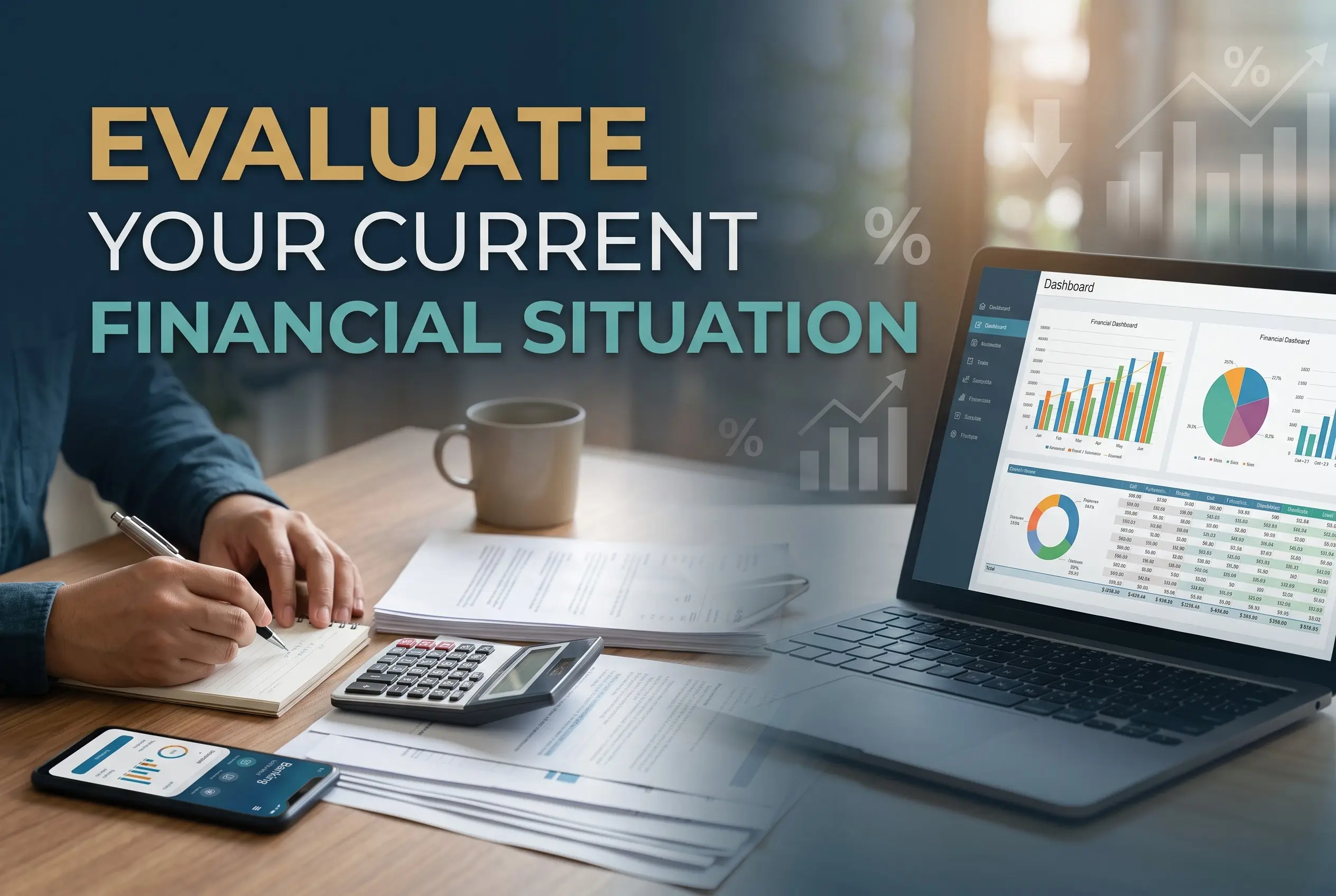
Start by reviewing bank balances, retirement accounts, investment holdings, property, loans, and other financial obligations. Calculate your net worth by subtracting outstanding liabilities from your total assets. This process reveals whether your financial resources are growing and helps identify opportunities to reduce debt, increase savings, or improve how your assets are organized.
Calculate Your Retirement Savings Gap
Your retirement savings gap is the difference between the financial resources you are likely to need and the resources you expect to have available. Estimating this gap involves considering your existing savings, future contributions, potential investment returns, expected retirement income, and anticipated expenses.
Although online calculators can provide useful starting estimates, their results depend on the assumptions entered. Inflation, investment performance, taxes, and longevity can significantly influence the outcome. Review several reasonable scenarios instead of relying on a single projection. This approach helps you identify whether you need to save more, reconsider your retirement date, or adjust your expected lifestyle.
Review Existing Debt and Financial Obligations
Outstanding debt can reduce the amount of income available for retirement savings. High-interest credit card balances, personal loans, and other expensive obligations may deserve attention before increasing contributions to long-term investments. However, the best approach depends on interest rates, employer retirement benefits, emergency savings, and your overall financial circumstances.
Develop a realistic debt repayment strategy while maintaining enough accessible savings to manage unexpected expenses. Avoid taking on unnecessary new debt that could interfere with your retirement goals. Reducing financial obligations before retirement can make your future budget more manageable and provide greater flexibility when employment income decreases.
Create a Realistic Retirement Savings Plan
Once you understand your goals and financial position, establish a savings plan that fits your income and responsibilities. Consistent contributions can help build long-term financial resources, even when the amounts are relatively small at the beginning. The important step is choosing a contribution level you can maintain without neglecting essential expenses or accumulating expensive debt.
Your savings target should reflect your retirement timeline, expected expenses, available resources, and tolerance for financial risk. Rather than selecting an arbitrary percentage, calculate how much you may need to contribute toward your goal. Revisit that amount whenever your salary, household expenses, or retirement expectations change.
Automate Regular Savings Contributions
Automating retirement contributions can make saving more consistent and reduce the temptation to spend money intended for future needs. You might arrange a recurring transfer into a retirement account or investment account immediately after receiving your salary. This approach makes retirement savings part of your regular financial routine instead of an occasional decision.
Start with an amount that fits your current budget and increase it when your income grows, if practical. Before automating large contributions, ensure that you can cover essential expenses and maintain suitable emergency savings. Consistency is valuable, but your plan should remain sustainable throughout different stages of life.
Take Advantage of Available Retirement Benefits
Depending on your country and employment arrangement, you may have access to employer-sponsored retirement plans, pension benefits, tax-advantaged savings accounts, or other retirement programs. Understanding the rules governing these options can help you make better decisions about contributions and future income.
If your employer offers matching contributions, investigate the eligibility requirements and contribution limits. Review vesting schedules, withdrawal restrictions, fees, and tax treatment before making decisions. Retirement benefits differ significantly between countries and employers, so verify the rules that apply to your circumstances rather than assuming that a particular account or benefit is universally available.
Develop an Effective Investment Strategy
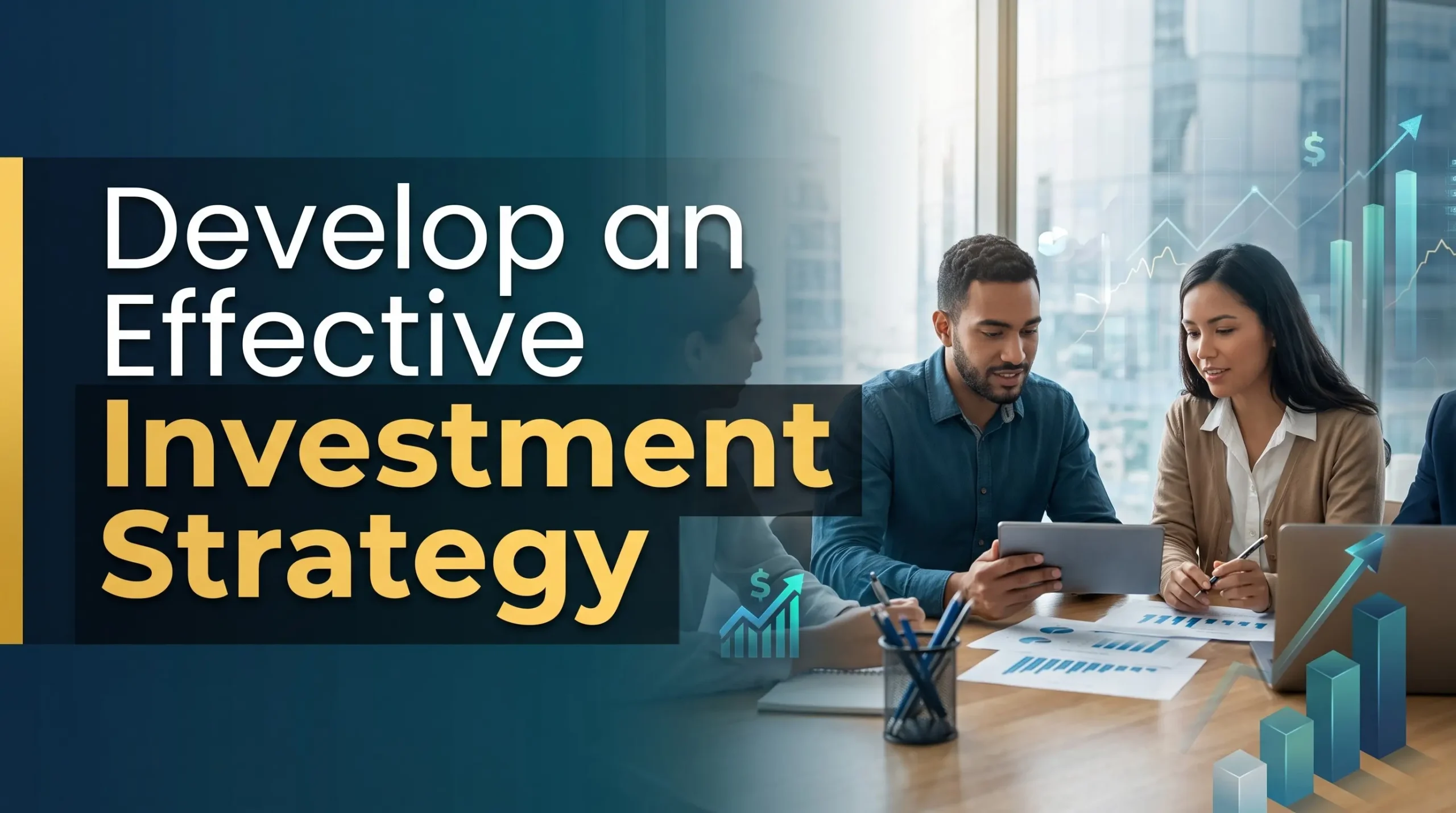
Consider how your investments fit together rather than evaluating each holding independently. Diversification across suitable asset classes can reduce dependence on the performance of a single investment. However, diversification does not eliminate market risk or guarantee profits. Your investment choices should support your retirement goals while remaining consistent with your broader financial situation.
Understand Risk and Investment Time Horizons
The amount of investment risk you can reasonably accept depends partly on how soon you expect to need the money. People with several decades before retirement may have more time to recover from market declines than those who expect to withdraw their savings soon. Nevertheless, personal circumstances and risk tolerance also matter.
Review the balance between growth-oriented investments and more stable assets as your retirement date approaches. Avoid making sudden decisions based entirely on short-term market movements. A clear investment policy can help you stay focused on long-term objectives while allowing reasonable adjustments when your needs or circumstances change.
Use Asset Management to Organize Your Investments
Asset Management involves organizing, monitoring, and adjusting financial assets to support defined objectives. Within Retirement Planning, this may include reviewing investment allocation, monitoring fees, evaluating diversification, and ensuring that your portfolio reflects your changing financial needs.
Regular portfolio reviews can help identify excessive concentration, unnecessary costs, or investments that no longer fit your goals. Rebalancing may restore your intended allocation when market movements change the relative value of your holdings. The appropriate review frequency depends on your portfolio and circumstances, but a structured process is generally more useful than reacting emotionally to every market fluctuation.
Consider Professional Financial Consulting
Retirement decisions can become complicated when they involve multiple investment accounts, pension arrangements, tax rules, insurance policies, property, or family responsibilities. Financial Consulting can help you evaluate these considerations and understand the potential consequences of different choices. A qualified professional may also identify planning gaps that are difficult to recognize when managing finances independently.
Before engaging an adviser, review their qualifications, experience, fee structure, and potential conflicts of interest. Ask how they are compensated and whether they have relevant expertise in retirement income planning. Professional advice should help you understand your options, not pressure you into products or investments you do not understand.
When to Seek Professional Guidance
Professional support may be especially useful when approaching retirement, changing careers, receiving a substantial inheritance, selling a business, or deciding how to manage several sources of retirement income. Complex tax situations and cross-border financial arrangements may also require specialized expertise.
You do not necessarily need ongoing professional management for every financial decision. Some people benefit from a one-time retirement review, while others prefer periodic consultations. Choose an arrangement that matches your financial complexity, budget, and confidence in managing investments. Always verify that the adviser understands the regulations and financial products relevant to your country.
Build a Comprehensive Financial Planning Strategy

For example, investing every available dollar in long-term assets may leave you without sufficient money for an emergency. Conversely, keeping all your savings in cash for decades may expose your future purchasing power to inflation. A balanced financial plan considers both short-term flexibility and long-term growth while recognizing that different financial goals require different approaches.
Prepare for Healthcare and Unexpected Expenses
Healthcare costs can become a significant retirement expense, depending on your health, location, insurance coverage, and access to public services. Research the healthcare arrangements available to you and estimate potential out-of-pocket costs. Review insurance policies carefully to understand exclusions, waiting periods, premiums, and coverage limitations.
You should also maintain accessible emergency savings for unexpected home repairs, family needs, or other urgent expenses. The appropriate amount depends on your essential spending, income stability, and existing financial protections. Keeping an emergency reserve separate from long-term retirement investments can reduce the need to sell assets during unfavorable market conditions.
Protect Your Retirement Assets
Protecting retirement assets involves managing financial risks as well as growing savings. Appropriate insurance, secure account access, careful beneficiary designations, and awareness of financial scams can help preserve your resources. Estate planning documents may also be important for ensuring that your wishes are clearly recorded and that relevant arrangements are in place.
Review these protections when major life events occur, such as marriage, divorce, the birth of a child, or a significant change in assets. Legal and tax requirements vary by jurisdiction, so obtain qualified advice where necessary. Protecting accumulated wealth is an ongoing part of retirement preparation, not a task that should be postponed until retirement begins.
Conclusion
Creating a Retirement Planning strategy that works requires clear goals, realistic savings targets, suitable investments, and regular financial reviews. Understanding your current financial position helps you identify what needs to change, while consistent contributions and thoughtful investment decisions support long-term progress.
Combining Asset Management, Financial Consulting, and Financial Planning can provide a more organized approach to protecting and growing retirement resources. Remember that no single strategy works for everyone. Your ideal plan should reflect your income, responsibilities, retirement timeline, and personal goals. By taking practical steps today and adjusting your approach when circumstances change, you can work toward a more secure and financially independent retirement.
Frequently Asked Questions (FAQs)
1. What is Retirement Planning?
Retirement Planning is the process of preparing financially for life after full-time employment. It involves estimating future expenses, setting savings goals, selecting appropriate investments, and identifying potential retirement income sources to support long-term financial security.
2. When should I start Retirement Planning?
It is generally beneficial to start as early as possible because early contributions have more time to potentially grow through investment returns. However, people who start later can still improve their financial position by reviewing expenses, increasing sustainable savings, and setting realistic goals.
3. How much money do I need for retirement?
The amount depends on your expected lifestyle, retirement age, healthcare needs, location, inflation, and other income sources. Estimate your annual retirement expenses and compare them with expected pension income, savings, and investments to develop a personalized target.
4. What is the difference between Asset Management and Retirement Planning?
Asset Management focuses on organizing and managing financial assets to meet specific objectives. Retirement Planning is broader because it includes retirement goals, savings, investments, expenses, insurance, and future income needs. Asset Management can be an important part of a complete retirement strategy.
5. How can Financial Consulting help with retirement?
Financial Consulting can help you assess your financial position, compare retirement options, evaluate investment risks, and understand complex financial decisions. A qualified adviser can provide recommendations based on your goals, circumstances, and the regulations applicable to your location.
6. What role does Financial Planning play in retirement preparation?
Financial Planning connects retirement goals with everyday financial decisions, including budgeting, debt repayment, emergency savings, insurance, and investments. It helps you balance current responsibilities with future needs and create a coordinated strategy for long-term financial security.
7. Should I pay off debt before saving for retirement?
The right approach depends on the debt’s interest rate, your financial obligations, emergency savings, and available retirement benefits. Paying down expensive debt can be valuable, but consider employer matching benefits and essential savings before deciding how to allocate your money.
8. How often should I review my retirement strategy?
Review your strategy at least annually and whenever a major life event changes your income, expenses, or financial goals. Regular reviews help you update savings targets, assess investment allocation, and respond to changes without relying on outdated assumptions.
9. Is investing necessary for Retirement Planning?
Investing may help your savings grow and keep pace with rising living costs, although all investments involve some degree of risk. The appropriate approach depends on your time horizon, financial goals, and risk tolerance. Consider diversification and understand each investment before committing money.
10. Can I create a retirement strategy without a financial adviser?
Yes, you can begin by reviewing your finances, estimating retirement expenses, setting savings targets, and learning about appropriate savings and investment options. However, professional guidance may be useful when dealing with complex investments, tax questions, pension arrangements, or significant financial decisions.





What Is Financial Technology (FinTech)? Everything You Need to Know
FinTech and Traditional Banking: How Old Banks Are Adapting
The Importance of Risk Management in Modern Business
How Financial Technology Is Transforming Digital Payments
How to Create a Retirement Planning Strategy That Works
How Digital Asset Management Improves Business Efficiency
The Importance of Risk Management in Modern Business
How Financial Technology Is Transforming Digital Payments