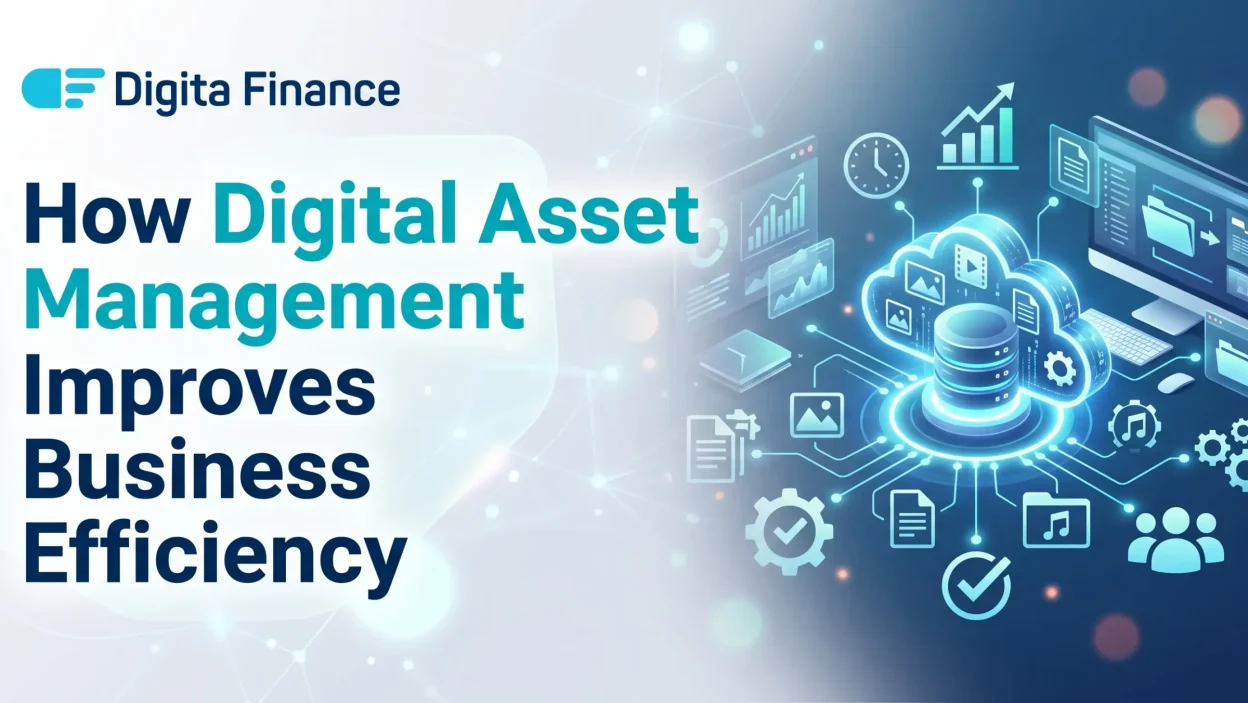
Asset Management plays an important role in helping businesses organize resources, reduce unnecessary expenses, and improve operational efficiency. As organizations manage increasing amounts of digital files, financial records, equipment information, and business data, traditional management methods can become difficult to maintain. Digital Asset Management provides a centralized approach that helps businesses track, organize, monitor, and maintain their valuable resources more effectively.
By using digital tools, businesses can improve information accessibility, strengthen collaboration, and make informed decisions based on accurate data. Digital systems also support Risk Management by helping organizations identify potential problems before they affect operations. When combined with Financial Consulting and Financial Planning, digital asset management can help companies control costs, allocate resources wisely, and support long-term growth.
What Is Digital Asset Management?
Digital Asset Management is a systematic approach to storing, organizing, tracking, and maintaining digital resources through specialized software or centralized platforms. These resources may include documents, images, videos, financial records, contracts, software licenses, equipment information, and other business-related files. A well-organized system allows employees to locate accurate information quickly and manage assets throughout their useful life.
Although Digital Asset Management often refers specifically to digital content, broader asset management platforms can also monitor physical equipment, financial investments, and organizational resources. Businesses should select a solution based on the assets they need to manage and the operational problems they want to solve.
How Digital Asset Management Works
Digital asset management systems bring important information into one organized environment. Employees can categorize files, assign access permissions, maintain version histories, and search for resources without navigating multiple disconnected folders. Some platforms also offer workflow automation, reporting, usage tracking, and integration with other business applications.
These capabilities reduce repetitive administrative work and help teams follow consistent procedures. When employees have access to reliable information, they can complete tasks faster, avoid unnecessary duplication, and concentrate on activities that contribute directly to business performance.
How Asset Management Improves Business Efficiency
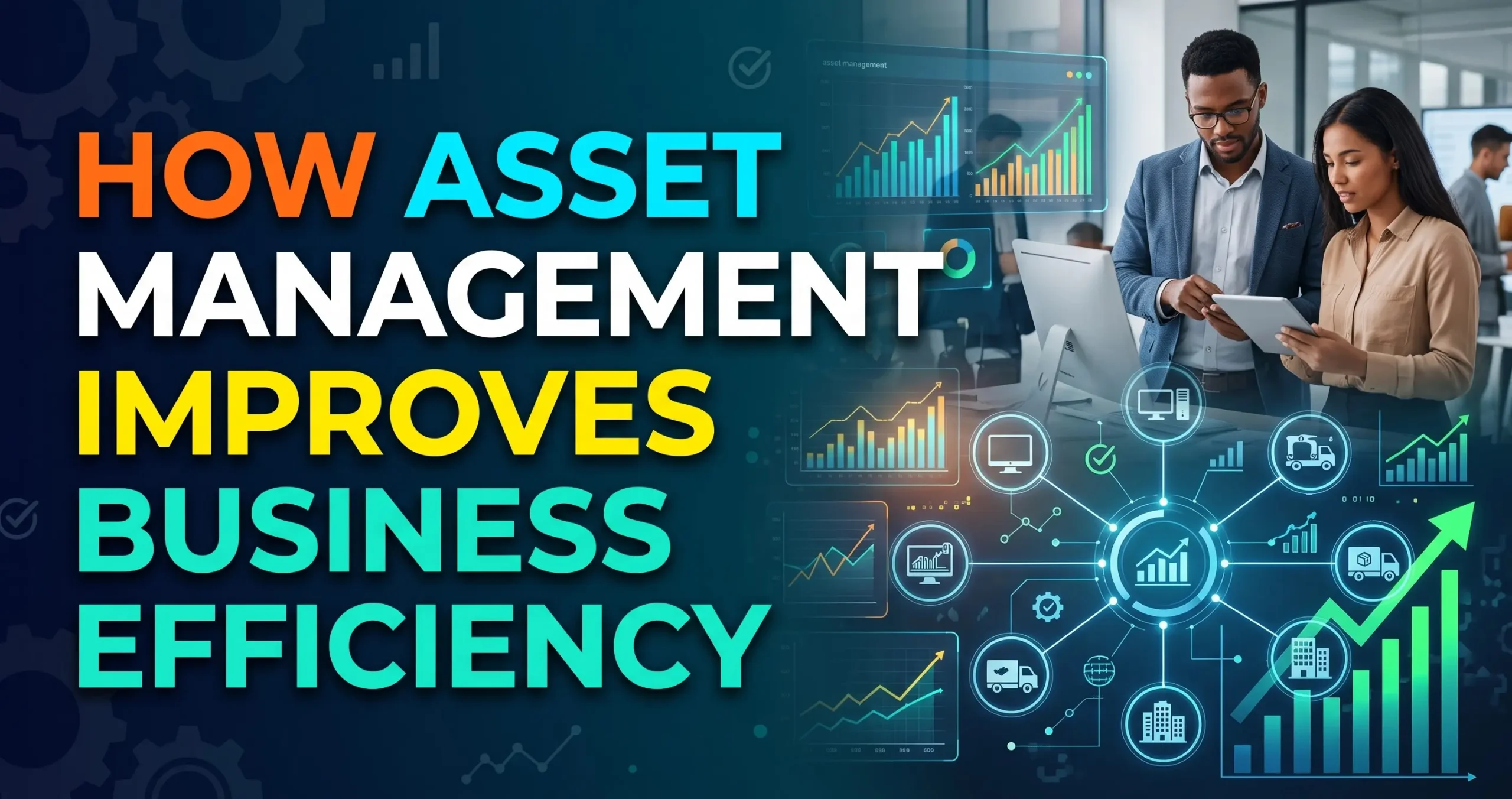
Businesses can use these insights to identify underused resources, eliminate unnecessary purchases, and improve the coordination of daily operations. Better visibility also supports accountability because employees can understand their responsibilities and follow established processes.
Centralized Information and Faster Access
Centralized information is one of the most important advantages of digital asset management. Instead of storing files across individual computers, email accounts, and separate cloud folders, organizations can maintain an organized repository with consistent naming conventions and searchable metadata.
Employees spend less time searching for documents and more time completing productive work. Centralization also helps reduce confusion caused by outdated versions or duplicated files. With suitable access controls, authorized team members can retrieve the information they need while sensitive resources remain protected.
Improved Team Collaboration
Digital asset management encourages collaboration by allowing departments to work with shared resources and consistent information. Marketing teams can access approved images, finance departments can retrieve relevant records, and management teams can review reports without repeatedly requesting files from colleagues.
Version control and workflow approvals can reduce mistakes caused by conflicting documents. When employees follow the same processes, projects move forward more smoothly, communication improves, and organizations can complete work with fewer delays.
Reducing Operational Costs Through Digital Systems
Operational costs can increase when businesses purchase duplicate resources, maintain outdated equipment, lose important information, or spend excessive time on manual administrative tasks. Digital asset management helps organizations identify these inefficiencies and take corrective action using more accurate records.
A centralized system can show which assets are available, which require maintenance, and which resources are no longer useful. This visibility helps managers make informed purchasing decisions, improve resource allocation, and control avoidable expenses without compromising essential business operations.
Preventing Duplicate Purchases
Without accurate asset records, employees may purchase resources that the organization already owns. This problem can affect software subscriptions, digital content, office equipment, and other business assets. A searchable asset register helps teams verify availability before approving new purchases.
Reducing duplication protects budgets and improves resource utilization. It also helps purchasing departments coordinate requests across different teams, ensuring that available resources are used effectively before additional spending is approved.
Automating Repetitive Tasks
Automation can reduce the administrative burden associated with updating records, assigning ownership, scheduling maintenance, and generating reports. Depending on the platform, businesses may also automate approval notifications, license renewal reminders, and document review procedures.
These automated processes improve consistency and reduce the likelihood of human error. Employees can devote more attention to strategic responsibilities, while managers gain timely information about asset status, upcoming expenses, and operational requirements.
Strengthening Risk Management and Data Security
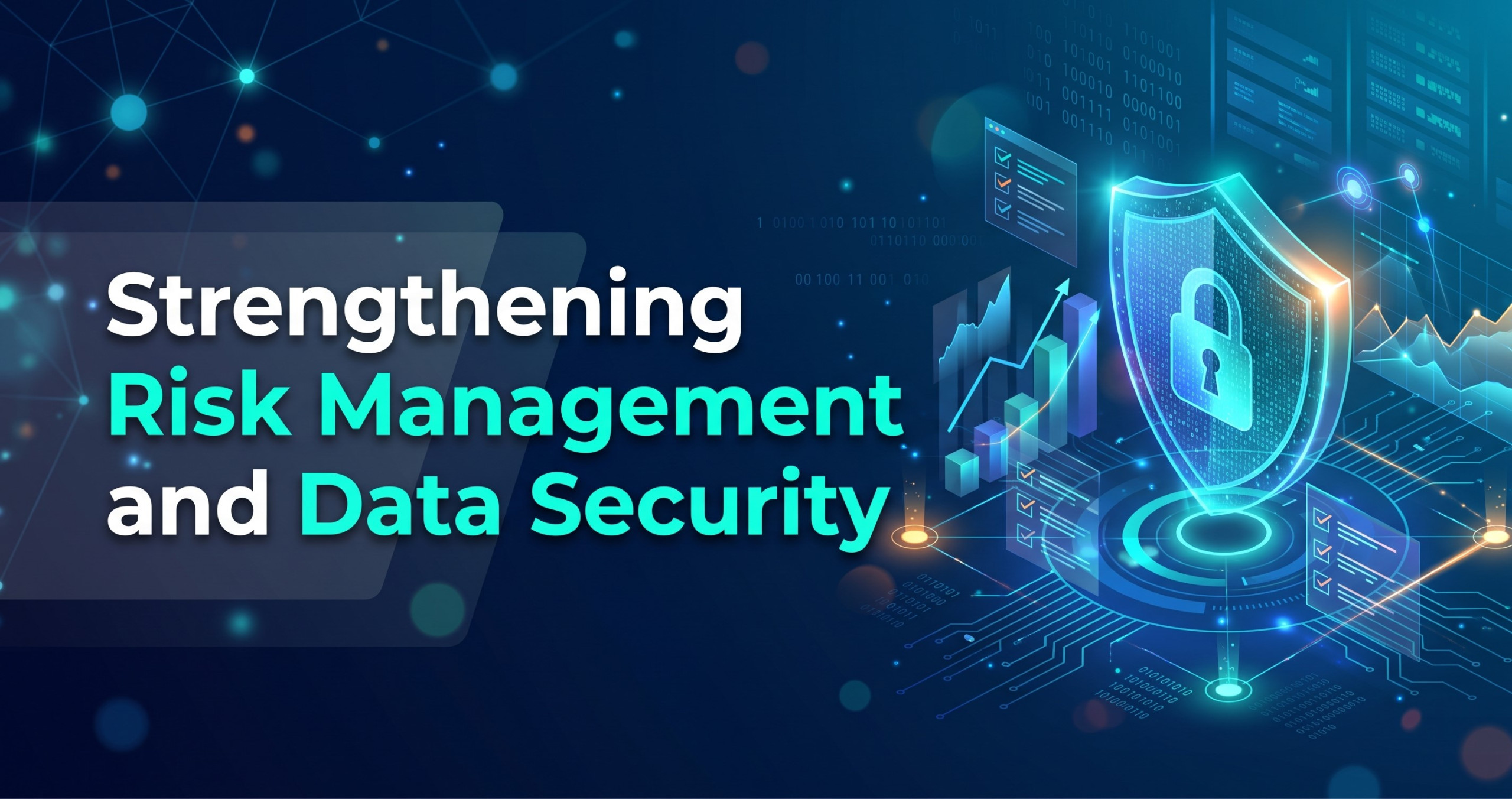
A suitable platform can support access controls, audit trails, backup procedures, and security monitoring. However, software alone cannot eliminate every risk. Organizations must combine technology with employee training, appropriate security policies, regular reviews, and reliable recovery procedures.
Improving Access Control and Accountability
Digital asset management systems can assign permissions based on employee roles and responsibilities. This approach helps ensure that only authorized individuals can view, edit, approve, or distribute specific resources.
Activity logs may also show when records were accessed or changed, making it easier to investigate unexpected activity. Clear ownership and permission structures strengthen accountability while helping organizations protect confidential business information.
Supporting Compliance and Audit Readiness
Businesses often need to maintain contracts, licenses, financial documentation, and records that demonstrate compliance with relevant policies or regulations. Digital systems can organize these documents, track review dates, and preserve useful historical information.
Better recordkeeping reduces the time required to prepare for internal audits and external assessments. Organizations should still verify that their chosen platform meets applicable legal and industry requirements, particularly when managing confidential, financial, or personally identifiable information.
The Connection Between Asset Management and Financial Planning
Financial Planning becomes more effective when decision-makers have accurate information about asset ownership, operating expenses, maintenance requirements, and future replacement needs. Digital asset management provides the records needed to evaluate how resources affect budgets, cash flow, and long-term business objectives.
For example, a company may use asset reports to estimate upcoming equipment replacement costs, identify unnecessary subscriptions, or determine whether maintaining an existing resource is more economical than purchasing a replacement. These insights help managers prepare realistic budgets and allocate funds according to business priorities.
Better Budgeting and Resource Allocation
Accurate asset information helps organizations understand where money is being spent and which resources provide the greatest operational value. Managers can compare maintenance costs, usage levels, and replacement schedules before making financial commitments.
This information supports more informed budgeting and reduces the risk of unexpected expenses. When departments share reliable records, finance teams can coordinate spending decisions more effectively and direct resources toward the activities that offer the strongest potential returns.
Improving Long-Term Investment Decisions
Asset reports can help businesses evaluate whether an asset should be maintained, upgraded, replaced, or retired. These decisions become more reliable when managers consider the asset’s age, condition, performance, maintenance costs, and expected remaining useful life.
Combining these details with financial forecasts helps organizations avoid premature purchases and recognize when replacement is financially justified. This approach supports sustainable growth by connecting everyday asset decisions with long-term financial objectives.
How Financial Consulting Complements Digital Asset Management
Financial Consulting can help businesses interpret asset information and translate operational findings into practical financial strategies. While digital platforms organize records and generate reports, financial professionals can assess the implications of those findings for budgeting, investment decisions, cash flow, and profitability.
For growing companies, this combination can be especially useful when asset portfolios become more complex. Consultants may help establish reporting procedures, evaluate spending patterns, and identify opportunities to improve resource allocation. Their recommendations should be based on the organization’s circumstances, financial objectives, and available evidence.
Turning Asset Data Into Business Insights
Digital reports can reveal underused equipment, recurring maintenance expenses, unnecessary subscriptions, and resources that generate limited value. Financial professionals can help management determine which findings deserve immediate attention and which require longer-term planning.
For example, repeated maintenance costs may indicate that an asset should be replaced, while low usage may suggest that a resource could be shared between departments. These insights help businesses connect asset information with measurable operational and financial improvements.
Measuring Digital Asset Management Performance
Useful measures may include time spent locating assets, duplicate purchasing costs, asset utilization rates, maintenance expenses, record accuracy, and the time required to complete administrative tasks. Organizations should select metrics that reflect their actual goals rather than tracking every available measurement.
Key Metrics to Monitor
Asset utilization measures how effectively available resources are being used. Maintenance costs reveal the financial burden of keeping equipment operational, while record accuracy indicates whether the system reflects the organization’s actual assets.
Businesses can also measure the time needed to retrieve information, process approvals, and complete audits. Reviewing these indicators regularly helps managers identify performance changes, adjust workflows, and determine whether their investment in digital asset management is delivering meaningful value.
Best Practices for Implementing Digital Asset Management
Successful implementation requires more than purchasing software. Businesses should begin by identifying the assets they need to manage, documenting current challenges, and defining clear objectives. These steps help organizations select appropriate technology and avoid paying for features that do not support their requirements.
A phased implementation can make the transition easier by allowing teams to test workflows, correct data problems, and learn the system before expanding its use. Employees should receive practical training, and managers should establish responsibility for maintaining accurate records.
Choose the Right Platform
The right platform should match the organization’s asset types, team size, security requirements, reporting needs, and existing technology. Businesses may prioritize searchable digital libraries, equipment tracking, maintenance scheduling, financial reporting, or integration with other systems.
Before making a decision, organizations should evaluate usability, scalability, data protection, support options, and total ownership costs. A solution that fits current requirements while supporting future growth is generally more useful than an unnecessarily complex platform.
Maintain Accurate Records
A digital asset management system is only as reliable as the information it contains. Organizations should establish consistent procedures for adding new assets, updating ownership details, recording costs, and removing retired resources from active records.
Regular audits can identify missing information, duplicate entries, and outdated documentation. Assigning responsibility for specific asset categories also encourages accountability. With accurate records and consistent processes, businesses can rely on their digital systems for operational decisions, Risk Management, and Financial Planning.
Conclusion
Digital asset management helps businesses improve efficiency by organizing information, reducing repetitive work, controlling operational costs, and making resources easier to track. It also supports Risk Management through better access controls and recordkeeping, while accurate asset data strengthens Financial Planning and creates opportunities for more informed investment decisions.
When supported by appropriate technology, employee training, and consistent procedures, Asset Management can become a valuable part of business strategy. Organizations that regularly measure performance and maintain reliable records are better positioned to reduce waste, improve collaboration, and support sustainable operational growth.
Frequently Asked Questions
1. What is digital asset management?
Digital asset management is the process of organizing, storing, tracking, and maintaining digital resources through a centralized system. It helps businesses locate files, manage permissions, maintain versions, and improve the use of valuable information.
2. How does Asset Management improve business efficiency?
Asset Management improves efficiency by providing accurate records, simplifying asset tracking, reducing duplicate purchases, automating routine tasks, and helping employees access the resources they need. These improvements can reduce delays and unnecessary expenses.
3. What are the main benefits of digital asset management?
The main benefits include centralized information, improved collaboration, faster file retrieval, better resource utilization, stronger access control, reduced administrative work, and more informed operational decisions.
4. How does digital asset management reduce costs?
Digital systems help businesses identify unused resources, prevent duplicate purchases, monitor maintenance requirements, and automate administrative activities. These capabilities can reduce waste and improve spending decisions.
5. How does Risk Management relate to asset management?
Risk Management helps organizations identify and address threats that could affect their assets. Digital asset management can support this process through access permissions, activity records, security controls, backup procedures, and better visibility into asset-related risks.
6. Can digital asset management support Financial Planning?
Yes. Accurate asset records help businesses forecast maintenance expenses, plan replacements, prepare budgets, evaluate resource utilization, and make better-informed financial decisions.
7. What role does Financial Consulting play in asset management?
Financial Consulting helps businesses interpret asset data, evaluate spending patterns, assess investment decisions, and develop strategies for improving resource allocation and financial performance.
8. Is digital asset management suitable for small businesses?
Yes. Small businesses can use digital asset management to organize files, track equipment, monitor subscriptions, reduce administrative work, and maintain accurate records. They should choose a solution that fits their budget and operational needs.
9. How can a business measure asset management performance?
Businesses can monitor asset utilization, maintenance expenses, record accuracy, duplicate purchases, file retrieval time, and administrative processing time. Comparing these indicators before and after implementation helps evaluate progress.
10. How should a business get started with digital asset management?
A business should identify its assets, review existing processes, define measurable goals, select a suitable platform, organize its records, and train employees. Regular audits and performance reviews help maintain accuracy and support continuous improvement.






What Is Financial Technology (FinTech)? Everything You Need to Know
How Financial Technology Is Transforming Digital Payments
The Importance of Risk Management in Modern Business
FinTech and Traditional Banking: How Old Banks Are Adapting
How Digital Asset Management Improves Business Efficiency
The Importance of Risk Management in Modern Business
How Financial Technology Is Transforming Digital Payments
How Digital Banking Is Changing the Future of Financial Management