

Financial Technology is transforming the way people and businesses send, receive, manage, and track money. Digital payments have become an important part of modern commerce, allowing customers to pay for products and services through smartphones, cards, digital wallets, banking applications, and online payment platforms.
Traditional payment processes often depended on cash, physical banking locations, and manual verification. Financial technology has introduced faster and more convenient alternatives. Businesses can now accept digital payments across multiple channels, while consumers can complete transactions without physically handling cash.
The Role of Financial Technology in Digital Payments
Financial technology combines software, digital platforms, data, automation, and financial services to improve the way money moves between individuals and organizations. Digital payment systems are one of the most visible applications of this technology.
Businesses can use payment gateways, mobile payment solutions, digital wallets, and online banking integrations to process transactions. Consumers benefit from greater convenience because they can often complete payments from smartphones and other connected devices.
Faster Payment Processing
One major advantage of digital payment technology is speed. Traditional payment processes may involve physical handling, manual verification, or additional administrative steps.
Modern payment systems can process transactions within seconds or minutes, depending on the payment method and financial institutions involved. Faster processing can improve the customer experience while helping businesses manage incoming payments more efficiently.
Greater Payment Convenience
Financial technology allows customers to choose from multiple payment methods. These can include credit and debit cards, mobile wallets, bank transfers, QR-code payments, and other digital solutions.
Providing several payment options can make transactions more convenient for customers with different preferences. It can also help businesses serve customers across different markets and digital environments.
How Digital Payments Benefit Businesses
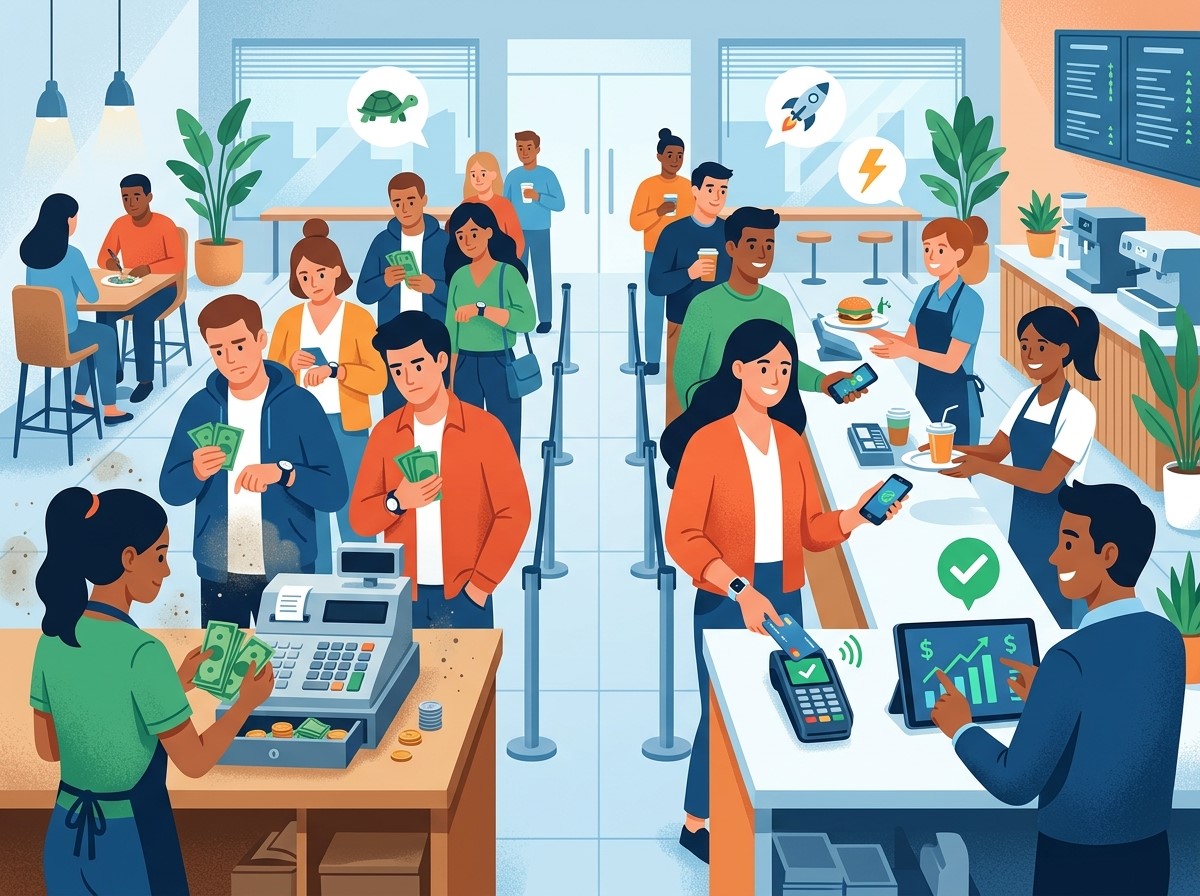
This integration can reduce repetitive administrative work and provide businesses with better visibility into their financial activities.
Improving Business Finance Management
Business Finance depends on accurate information about revenue, expenses, cash flow, and transactions. Digital payment systems can automatically record transaction information, making financial data easier to organize.
Businesses can use this information to monitor incoming payments, identify payment patterns, and maintain more accurate financial records. Automated data collection can also reduce some of the errors associated with manual recordkeeping.
Supporting Cash Flow Management
Cash flow is important for maintaining daily business operations. Delayed payments can create challenges for companies that need to manage salaries, inventory, suppliers, and other expenses.
Digital payments can shorten transaction cycles and make payment tracking easier. Businesses can monitor completed and pending transactions through digital dashboards, helping financial teams maintain better visibility over cash movement.
The Growth of Mobile Payments
Mobile devices have become an important part of the digital payment ecosystem. Smartphones allow customers to make payments without carrying physical cash or cards in many situations.
Mobile banking applications and digital wallets have expanded access to payment services and changed how consumers interact with financial institutions.
Digital Wallets
Digital wallets allow users to store payment information electronically and use compatible devices or applications to make transactions.
They can also provide additional functionality, such as transaction histories, payment notifications, and account management features. The growing adoption of digital wallets has contributed to the wider movement toward cashless transactions.
QR Code Payments
QR-code payments provide another convenient way to complete transactions. Customers can scan a code using a compatible mobile application and follow the payment process provided by the service.
This method can be useful for physical stores, restaurants, service providers, and small businesses because it can simplify the payment experience without requiring complex equipment.
Improving Digital Payment Security

Financial technology companies use various security mechanisms to reduce unauthorized access and suspicious activity.
Encryption and Secure Transactions
Encryption can help protect sensitive information as it moves between systems. Secure payment technologies are designed to reduce the risk of unauthorized access to transaction data.
Payment providers also use authentication processes to confirm that users are authorized to access accounts or complete certain transactions.
Fraud Detection and Monitoring
Modern payment systems can use automated systems to identify unusual transaction patterns. Suspicious activity may trigger additional verification or other security measures.
Data-driven monitoring can help financial institutions and payment providers respond to potential risks more quickly. However, no payment system can eliminate every security risk, making user awareness and responsible account management important as well.
Financial Technology and Financial Planning
Digital payment systems are also connected to broader personal financial management. Individuals can increasingly access transaction histories, spending information, account balances, and financial tools through digital platforms.
These capabilities can support better Financial Planning by making financial information easier to access and organize.
Tracking Spending
Digital transaction records can provide individuals with a clearer view of their spending patterns. Users may be able to categorize expenses, review transaction histories, and identify recurring payments.
This information can help people understand where their money is going and make more informed decisions about budgets and spending habits.
Automating Financial Activities
Some financial platforms allow users to automate recurring payments, transfers, or savings activities. Automation can reduce the need to remember repetitive financial tasks. When used carefully, automated financial tools can help individuals maintain consistent financial routines and avoid missed payments.
The Connection Between Digital Payments and Wealth Management
Financial technology is also changing Wealth Management by making financial information and investment services increasingly accessible through digital platforms.
Modern financial applications can provide users with account dashboards, portfolio information, financial insights, and other tools. The exact services available depend on the provider and applicable regulations.
Digital Financial Dashboards
A digital dashboard can bring financial information together in one interface. Users may be able to view balances, transactions, investments, and other financial information without visiting multiple physical locations.
Centralized information can make it easier to monitor financial activity and understand overall financial positions.
Technology-Assisted Investment Services
Some financial platforms use algorithms and automated tools to support investment-related services. These systems may help users organize information or receive automated portfolio-related services, depending on the platform.
Technology can improve access and convenience, but financial decisions still require consideration of individual circumstances, objectives, risks, and applicable regulations.
The Impact of Digital Payments on Customer Experience
Customers increasingly expect financial transactions to be fast, convenient, and easy to understand. Complicated payment processes can create friction during purchases, while smooth digital experiences can make transactions more convenient.
Businesses can improve payment experiences by offering relevant payment methods, providing clear transaction information, and ensuring that payment processes work effectively across devices.
Faster Checkout Experiences
Digital payment options can reduce the number of steps required to complete a purchase. Saved payment information, mobile wallets, and integrated checkout systems can make transactions more efficient.
A simpler checkout process can be particularly important for online businesses where unnecessary steps may cause customers to abandon purchases.
Payment Notifications
Digital payment platforms can provide instant or near-instant notifications after transactions. These notifications can help customers confirm payments and identify potentially unauthorized activity. For businesses, automated notifications can also support transaction tracking and customer communication.
Financial Technology and Cross-Border Payments
International payments have historically involved multiple financial institutions, currencies, and processing requirements. Financial technology is helping develop digital solutions that can make cross-border payment processes more efficient.
Businesses operating internationally can use digital financial platforms to manage transactions across different markets, although fees, exchange rates, regulations, and processing times vary by service.
Supporting Global Commerce
Digital payment systems can help businesses accept payments from customers in different locations. This can support e-commerce businesses and companies that operate across multiple countries.
Access to international payment methods can also make it easier for customers to purchase products or services from businesses outside their local markets.
Currency Conversion
Some digital payment platforms provide currency conversion services as part of international transactions. Customers may be able to view amounts in different currencies before completing payments.
Businesses should carefully consider exchange rates, transaction fees, and applicable financial regulations when selecting international payment solutions.
How AI Is Improving Digital Payments
Artificial intelligence is becoming increasingly relevant to financial technology. AI can analyze large volumes of transaction data and support areas such as fraud detection, customer service, personalization, and financial analysis.
Payment providers can use automated systems to identify patterns that may require attention and improve operational efficiency.
AI-Based Fraud Detection
AI systems can analyze transaction behavior and identify unusual patterns. For example, a transaction that differs significantly from established activity may receive additional scrutiny.
Automated analysis can help payment providers process large volumes of transactions while monitoring potential risks.
Intelligent Customer Support
AI-powered assistants can answer common payment-related questions and provide basic account guidance. This can reduce waiting times for simple inquiries.
More complex financial issues may still require human representatives, particularly when a situation involves disputes, account security, or sensitive financial decisions.
Challenges of Digital Payment Technology
Despite its benefits, digital payment technology also creates challenges. Cybersecurity threats, privacy concerns, technical failures, fraud, regulatory requirements, and digital access gaps can affect payment systems.
Businesses and financial service providers need appropriate security measures and reliable infrastructure to maintain customer trust.
Cybersecurity Risks
Digital systems can be targeted by cybercriminals attempting to steal account information, payment credentials, or personal data. Strong authentication, secure software, monitoring, and user awareness can help reduce risks.
Customers should also use strong passwords, protect authentication information, and avoid entering payment details on suspicious websites or applications.
Digital Accessibility
Not everyone has the same level of access to smartphones, reliable internet connections, or digital financial services. Financial technology providers need to consider usability and accessibility when designing payment solutions. Simple interfaces and broader access can help more people benefit from digital financial services.
The Future of Financial Technology and Digital Payments
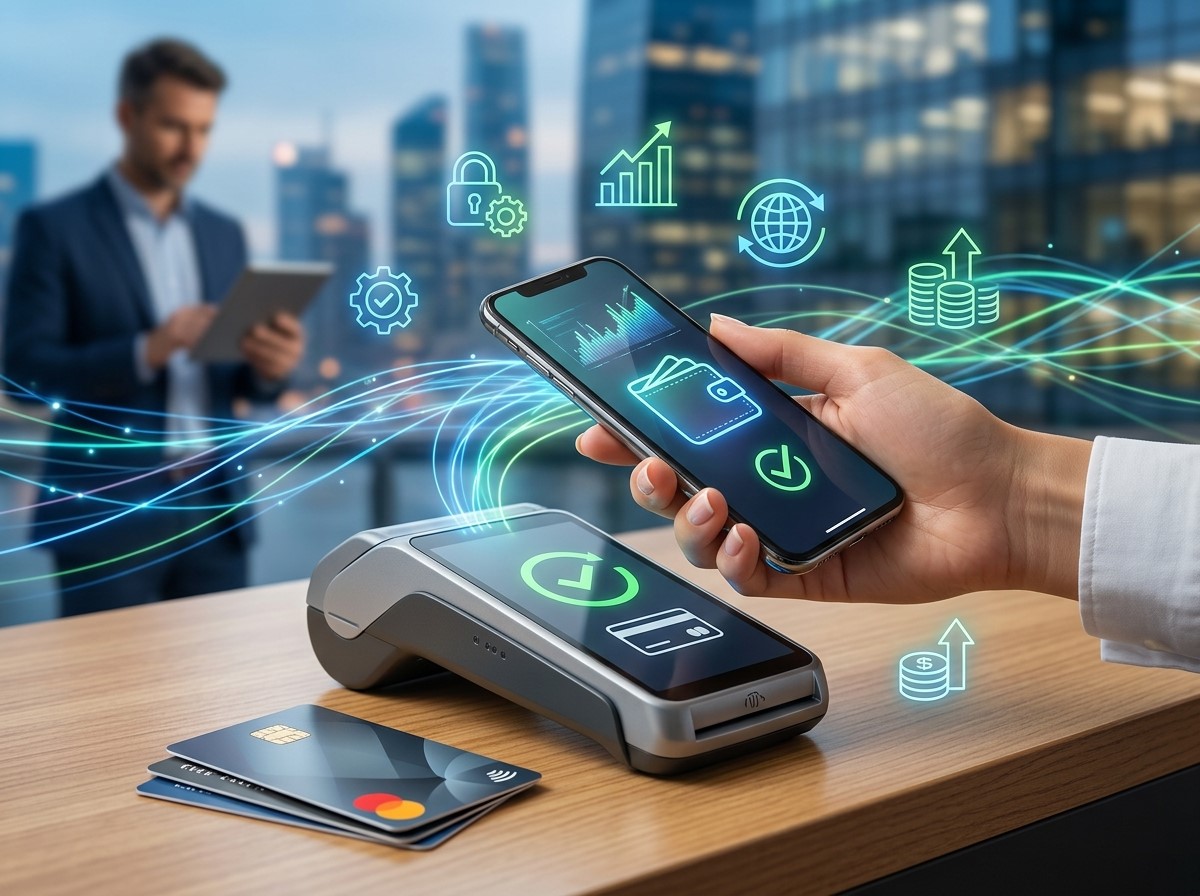
Businesses will increasingly need payment systems that integrate with broader financial and operational platforms. Consumers may also gain access to more personalized financial tools. However, future growth will depend not only on technological innovation but also on security, reliability, privacy, accessibility, and responsible financial practices.
Conclusion
Financial Technology is transforming digital payments by making transactions faster, more convenient, connected, and increasingly automated. Mobile payments, digital wallets, QR codes, payment gateways, AI-powered fraud detection, and integrated financial platforms are changing how individuals and businesses manage everyday transactions.
The impact extends beyond payments. Digital financial tools can support Business Finance through better transaction tracking, contribute to Financial Planning through accessible spending information, and influence Wealth Management through digital financial platforms. As technology continues to evolve, businesses and consumers will have access to increasingly sophisticated financial tools. The long-term value of these technologies will depend on how effectively they combine convenience with security, transparency, accessibility, and responsible financial management.
Frequently Asked Questions
1. What is Financial Technology?
Financial Technology, commonly called FinTech, refers to the use of technology to develop and improve financial products, services, processes, and transactions.
2. How is Financial Technology transforming digital payments?
Financial Technology is making digital payments faster and more convenient through mobile wallets, payment gateways, QR codes, online banking, automation, and other digital payment solutions.
3. How do digital payments benefit businesses?
Digital payments can help businesses process transactions efficiently, maintain digital records, improve payment tracking, support cash flow management, and provide customers with convenient payment options.
4. What role does Financial Technology play in Business Finance?
Financial Technology can support Business Finance by automating transaction records, improving financial visibility, simplifying payment management, and connecting payment information with accounting and financial systems.
5. How can digital payments support Financial Planning?
Digital payments create electronic transaction records that can help individuals monitor spending, organize expenses, review financial activity, and manage recurring payments.
6. How does Financial Technology affect Wealth Management?
Financial Technology can make financial information and certain wealth management services more accessible through digital dashboards, investment platforms, automated tools, and online financial services.
7. Are digital payments secure?
Digital payment systems use technologies such as encryption, authentication, monitoring, and fraud detection to protect transactions. However, users and providers still need to follow appropriate security practices.
8. What are digital wallets?
Digital wallets are applications or services that allow users to store payment information electronically and make compatible digital transactions using smartphones or other devices.
9. How does AI improve digital payments?
AI can analyze transaction patterns, support fraud detection, automate customer service, identify unusual activity, and help payment providers manage large volumes of financial transactions.
10. What is the future of Financial Technology in digital payments?
The future may include greater use of mobile payments, AI, automation, digital wallets, biometric authentication, embedded finance, and integrated financial platforms while security and privacy remain important considerations.




The Rise of Financial Avatars: How AI Will Represent You in Future Banking
What Is Financial Technology (FinTech)? Everything You Need to Know
What Are Digital Finance Tools
FinTech and Traditional Banking: How Old Banks Are Adapting
How Financial Technology Is Transforming Digital Payments
How Digital Banking Is Changing the Future of Financial Management
How Financial Consulting Supports Sustainable Business Growth
How Business Finance Drives Better Business Planning and Growth