

Tax Planning is an important part of managing personal and business finances effectively. It helps individuals and organizations understand their tax obligations, identify eligible deductions and allowances, and make informed financial decisions throughout the year. Instead of waiting until a tax return is due, proactive tax planning allows taxpayers to organize their finances and prepare for upcoming payments while complying with applicable tax laws.
Effective tax planning also supports broader financial goals, including savings, investments, business expansion, and retirement preparation. By combining careful budgeting, accurate recordkeeping, Risk Management, and suitable financial strategies, individuals and businesses can avoid unnecessary costs and reduce the likelihood of unexpected tax liabilities. Modern tools, including Digital Banking and accounting software, can further simplify financial tracking and improve decision-making. With a consistent approach, tax planning can help protect financial stability and support long-term growth.
What Is Tax Planning and Why Does It Matter?
Tax planning involves organizing financial activities to understand and manage tax obligations legally and efficiently. It considers income, expenses, investments, business transactions, and applicable tax rules before financial decisions are finalized. A well-structured approach helps taxpayers identify legitimate tax-saving opportunities, maintain accurate records, and prepare for future payments without relying on last-minute decisions.
Understanding Legal Tax-Saving Opportunities
Tax planning helps individuals and businesses determine which deductions, credits, allowances, exemptions, or other tax benefits may apply to their circumstances. Availability depends on the country, taxpayer category, and current regulations. Reviewing these opportunities before making financial decisions can help taxpayers avoid overlooking benefits they are legally entitled to claim.
Improving Financial Predictability
Understanding expected tax payments makes it easier to create realistic budgets and manage available funds. Individuals can plan for household expenses and savings, while businesses can estimate tax-related cash requirements alongside payroll, operating costs, and investment commitments. This preparation reduces financial uncertainty and supports better long-term decisions.
Supporting Compliance
Tax planning is not simply about paying less tax. It also involves meeting filing deadlines, maintaining supporting documentation, reporting income accurately, and following applicable regulations. Good planning reduces the risk of penalties, interest charges, and disputes that may arise from incomplete records or incorrect tax reporting.
How Tax Planning Helps Individuals Save Money

Organizing Income and Expenses
Keeping accurate records of salary, freelance income, investment returns, and eligible expenses helps individuals understand their financial position. Organized documentation makes it easier to prepare tax returns and support claims where required. It also helps identify changes in income that may affect estimated tax payments or future financial commitments.
Making Informed Investment Decisions
Different investments may receive different tax treatment depending on the jurisdiction and account structure. Understanding these rules before investing can help individuals compare options based on their potential returns, costs, risks, and tax implications. Decisions should reflect overall financial objectives rather than focusing exclusively on possible tax savings.
Preparing for Retirement
Retirement planning can involve long-term savings, pension arrangements, and investments that may have specific tax rules. Understanding how contributions, investment growth, and withdrawals are treated can help individuals prepare for future income needs. The most suitable approach depends on local regulations, retirement timelines, and individual financial circumstances.
How Businesses Benefit From Tax Planning
Businesses face tax obligations that may involve income, payroll, sales, property, or other applicable taxes. Proactive planning helps owners anticipate these responsibilities while managing operating costs and future investments. By understanding tax requirements and maintaining reliable financial records, businesses can improve cash-flow management, reduce avoidable expenses, and make more informed strategic decisions.
Managing Business Expenses
Accurate expense tracking helps businesses distinguish ordinary operating costs from items that may qualify for deductions under local tax rules. Records should clearly explain the purpose of each transaction and include appropriate invoices or receipts. This process supports reliable financial reporting and helps businesses claim eligible expenses without overstating deductions.
Improving Cash Flow
Tax payments can affect the amount of money available for payroll, inventory, equipment, and daily operations. Businesses that estimate liabilities in advance can reserve sufficient funds and reduce the likelihood of cash shortages. Better forecasting also helps owners decide when to invest, expand, or adjust operating expenses.
Supporting Business Expansion
Expansion decisions may involve hiring employees, purchasing equipment, entering new markets, or opening additional locations. Each decision can have different tax implications. Reviewing these implications before committing resources helps businesses compare options more accurately and build realistic financial projections for sustainable growth.
Integrate Tax Planning With Financial Planning
Create a Realistic Financial Budget
A useful budget accounts for regular expenses, savings goals, debt obligations, and expected tax payments. Individuals can use this information to plan monthly spending, while businesses can incorporate tax estimates into operating budgets and cash-flow forecasts. Reviewing the budget regularly helps ensure that financial plans reflect current circumstances.
Align Tax Decisions With Long-Term Goals
Financial decisions should support broader objectives, such as buying a home, expanding a business, building an emergency fund, or preparing for retirement. Tax considerations can influence the timing and structure of these decisions. However, a potential tax benefit should not outweigh the overall financial risks or make an unsuitable investment appear attractive.
Review Plans When Circumstances Change
Changes in income, family circumstances, business structure, investments, or tax legislation can affect financial plans. Reviewing these changes promptly helps taxpayers identify new obligations and opportunities. Regular reviews also make it easier to update budgets, adjust savings targets, and prepare for upcoming tax deadlines.
Use Risk Management to Prevent Tax Problems
Risk Management helps individuals and businesses identify potential financial threats and develop practical ways to reduce their impact. In tax planning, these risks may include missed deadlines, incomplete records, incorrect deductions, unexpected liabilities, and changes in regulations. Identifying problems early allows taxpayers to take corrective action and protect their financial stability.
Maintain Accurate Financial Records
Reliable records provide evidence for reported income, expenses, deductions, and other tax-related transactions. Individuals should keep relevant income statements and supporting documents, while businesses should maintain organized accounting records and transaction histories. Retaining documentation for the period required by local law can make filing and responding to tax inquiries easier.
Prepare for Unexpected Tax Liabilities
Financial circumstances can change during the year, and some events may create additional tax obligations. Individuals and businesses can reduce disruption by reviewing estimated liabilities regularly and reserving funds where appropriate. Maintaining an emergency reserve also helps protect essential spending and operations when payments are higher than expected.
Seek Professional Guidance When Needed
Tax rules can be complicated, particularly for business owners, investors, freelancers, and people with income from multiple sources. A qualified tax professional can explain relevant requirements, review potential risks, and help ensure that a proposed strategy is appropriate. Professional guidance is especially useful when regulations change or financial transactions become more complex.
How Digital Banking Simplifies Tax Planning
Track Transactions Efficiently
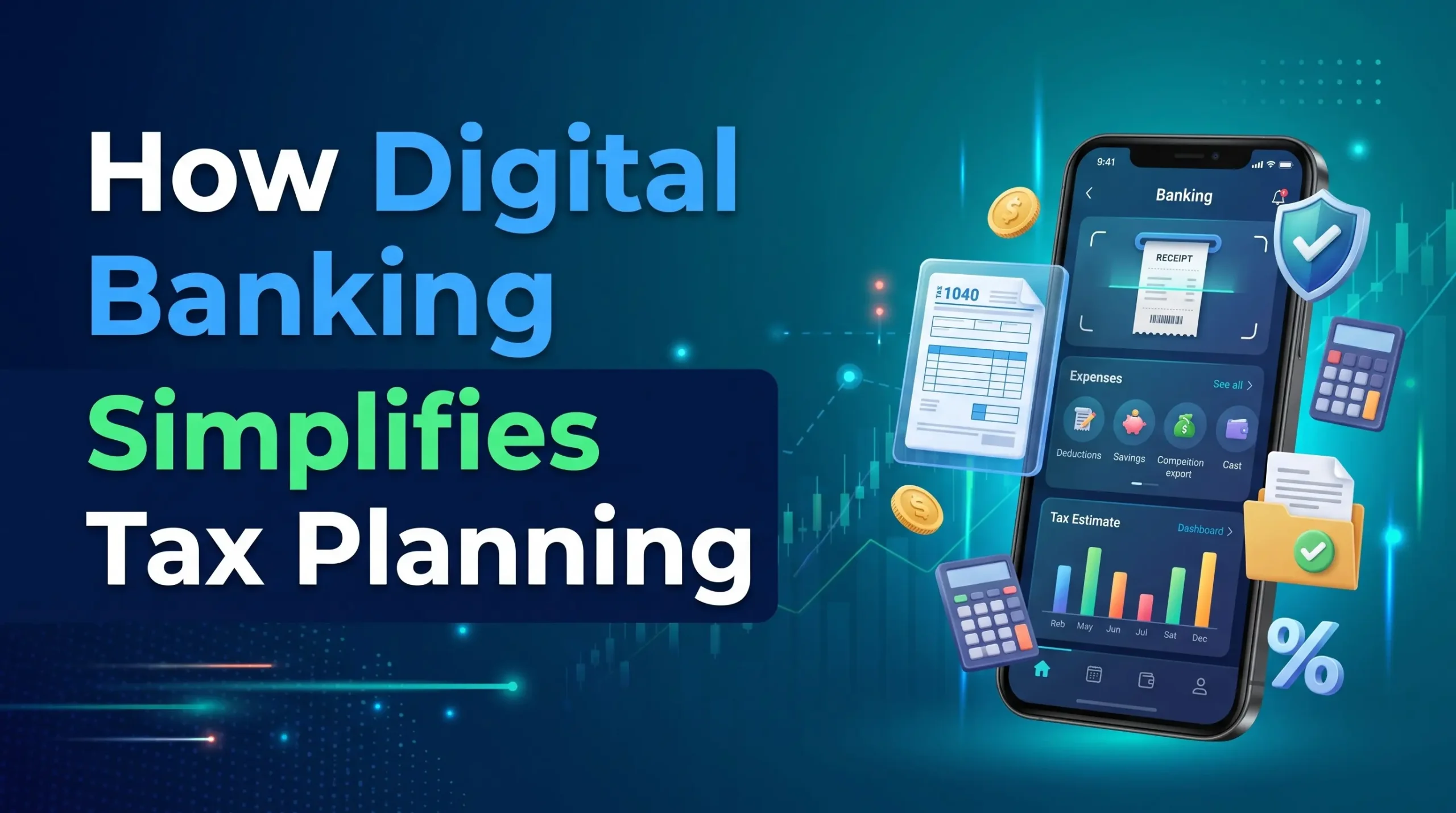
Digital banking platforms often provide searchable transaction histories and downloadable statements. These features can help users categorize income and expenses, reconcile records, and identify transactions that require further documentation. Users should still verify the accuracy of their records rather than assuming that automatically categorized transactions are always correct.
Make Timely Tax Payments
Where supported by the relevant tax authority and financial institution, electronic payment services can make tax payments more convenient. Payment confirmations and digital receipts can also help users document completed transactions. Taxpayers should confirm payment instructions, deadlines, and reference details to reduce the risk of delays or errors.
Protect Financial Information
Convenient digital access should be combined with appropriate security practices. Strong passwords, multifactor authentication, secure devices, and careful review of account activity can help protect sensitive financial information. Individuals and businesses should also control access to financial records and use trusted services when sharing information with accountants or tax advisers.
Common Tax Planning Mistakes to Avoid
Tax planning becomes less effective when taxpayers delay preparation, overlook documentation, or rely on assumptions about available benefits. These mistakes can lead to incorrect returns, missed opportunities, and avoidable penalties. A consistent process based on accurate information and current regulations helps individuals and businesses make more reliable decisions throughout the financial year.
One common mistake is treating every expense as automatically deductible. Eligibility depends on the applicable rules, the nature of the expense, and the supporting documentation. Another mistake is making a financial decision solely to obtain a tax advantage without evaluating its overall cost, risks, or suitability.
Taxpayers should also avoid relying on outdated information or ignoring changes in their circumstances. Reviewing records regularly, checking official guidance, and seeking professional advice when necessary can help prevent errors. Tax planning should always focus on legal compliance and sustainable financial outcomes rather than risky shortcuts.
Conclusion
Tax Planning helps individuals and businesses manage tax obligations more effectively while supporting broader financial goals. By organizing records, identifying eligible tax benefits, forecasting payments, and reviewing financial decisions throughout the year, taxpayers can reduce avoidable costs and improve financial predictability. A proactive approach also supports compliance and helps prevent unexpected liabilities.
Combining tax planning with Financial Planning, Risk Management, and the practical use of Digital Banking can create a more organized approach to managing money. Although tax rules vary by jurisdiction, the underlying principles remain useful: maintain accurate records, prepare in advance, understand applicable regulations, and seek professional guidance when needed. These habits can help protect financial stability and support long-term personal and business growth.
Frequently Asked Questions
1. What is tax planning?
Tax planning is the process of organizing financial activities to manage tax obligations legally and efficiently. It involves reviewing income, expenses, investments, available tax benefits, and filing requirements to make informed financial decisions.
2. How does tax planning help individuals save money?
Tax planning can help individuals identify eligible deductions, credits, allowances, and other benefits under applicable law. It also helps them prepare for tax payments, avoid penalties, and make better-informed savings and investment decisions.
3. Why is tax planning important for businesses?
Tax planning helps businesses forecast liabilities, organize expenses, manage cash flow, and maintain compliance. It can also support decisions about hiring, equipment purchases, expansion, and other financial commitments.
4. What is the difference between tax planning and tax preparation?
Tax planning focuses on making informed financial decisions before tax obligations arise or become due. Tax preparation involves organizing financial information and completing the required tax returns and supporting documentation.
5. How often should tax planning be reviewed?
Tax planning should be reviewed throughout the year, especially when income, investments, business operations, or tax regulations change. Regular reviews help taxpayers prepare for deadlines and adjust financial plans when necessary.
6. How does Financial Planning support tax planning?
Financial Planning connects tax decisions with budgeting, savings, investments, debt management, and long-term goals. This helps individuals and businesses evaluate tax implications without losing sight of their overall financial objectives.
7. What role does Risk Management play in tax planning?
Risk Management helps taxpayers identify potential issues such as filing errors, missed deadlines, incomplete records, and unexpected liabilities. Preparing for these risks can reduce financial disruption and support compliance.
8. Can Digital Banking help with tax planning?
Yes. Digital Banking provides access to transaction histories, account statements, and electronic payment records. These tools can simplify recordkeeping and help taxpayers monitor their finances, although transactions should still be checked for accuracy.
9. Should businesses hire a tax professional?
Professional guidance can be valuable when a business has complex income sources, employees, investments, or regulatory requirements. A qualified adviser can help interpret applicable rules, identify potential risks, and support compliant tax decisions.
10. Is tax planning legal?
Yes. Tax planning is legal when it follows applicable tax laws and reporting requirements. Taxpayers should claim only benefits for which they qualify, maintain supporting documentation, and avoid concealing income or misrepresenting transactions.





How Digital Asset Management Improves Business Efficiency
What Is Financial Technology (FinTech)? Everything You Need to Know
How to Create a Retirement Planning Strategy That Works
The Importance of Risk Management in Modern Business
How Tax Planning Helps Individuals and Businesses Save Money
How to Create a Retirement Planning Strategy That Works
How Digital Asset Management Improves Business Efficiency
The Importance of Risk Management in Modern Business