
Google Pay in Bangladesh could accelerate digital payments, expand financial inclusion, empower rural users, support small businesses, and drive fintech innovation. With AI, automation, and strong partnerships, it has the potential to reshape Bangladesh’s evolving digital finance ecosystem.
Google Pay is transforming how people handle funds throughout the world. With a population of more than 170 million people, Bangladesh has a unique opportunity to reap substantial benefits from this digital payment platform. Let’s have a look at how Google Pay can play a role in making Bangladesh develop its fintech sector and bring more people under the umbrella of digital banking.
What is Google Pay?
Google Pay is a mobile app, and mobile apps are the future of financial systems. It allows customers to pay with their smartphones. You can send money to a friend, pay for your groceries at the market or buy a skateboard online. The app operates by linking to your bank account or credit card.
Google Pay is big because it’s easy to use. You don’t need wads of cash or loads of cards. Just tap your phone to pay. This helps make shopping quicker and safer.
Financial Malaise in Bangladesh
Bangladesh has come a long way of digital payments. The country has many mobile payment services including bKash, Nagad and Rocket. These firms enable millions of people to send and receive money.
But in Bangladesh, a lot of people do not yet make digital payments. Some 50% of adults do not own bank accounts. Yet most transactions still occur with cash. That’s not good news for the economy.
Rural areas are dealing with even bigger challenges. Lackluster internet service in many villages. Not everyone feels good about a digital payment. And some are not able to operate smartphones for financial transactions.
How Bangladesh Could Use Google Pay

Making Payments Easier
Digital payments could get easier in Bangladesh with Google Pay. The app is clean and easy to understand. People intimidated by the complexity of services such as Google’s and their banking apps might find Google Pay more usable.
The service is compatible with other phones. That means Google Pay is also available for the expensive and the less expensive phones. Many people in Bangladesh can only afford cheaper phones, so this is important.
Connecting with Banks
Google Pay could also be set up in collaboration with the existing banks in Bangladesh. This would provide people with a greater variety of payment methods. A single app could connect users to multiple bank accounts. Such flexibility would enable people to manage their money more effectively.
Banks based in Bangladesh may also stand to gain. Without needing to create new apps, they would be able to connect with greater numbers of customers. Financial institutions save money and time.
Supporting Small Businesses
Small businesses in Bangladesh might [expand] faster with Google Pay. It allowed shop owners to accept digital payments easily. They would not require expensive card machines. All you’d need is a bare-bones smartphone.
This makes it easier for business owners to trace their sales. Digital files are helping businesses decipher customer patterns more easily. Small businesses might find it easier to apply for loans, too, if they had digital transaction history.
Google Pay in Bangladesh as a Driver of Digital Transformation
Google Pay in Bangladesh could become a major force behind the country’s digital transformation. As more consumers and businesses adopt digital payments, traditional financial habits will gradually shift toward faster and smarter systems. This transformation encourages transparency, improves transaction speed, and builds trust in digital finance. A strong digital payment ecosystem also creates the foundation for future innovation across banking, commerce, and government services.
Boosting Financial Inclusion
Reaching Rural Areas
Google Pay might be a way for people in rural Bangladesh to obtain financial services. The app functions on low-speed internet as well. This would have the effect of making the service usable for villages with slow internet.
Farmers would be able to receive payments for their crops digitally; without it, they often have to make a return trip. They wouldn’t have to head to cities to pick up money. This repeats less trips and traffic charges.
Digital Process Automation Through Google Pay in Bangladesh
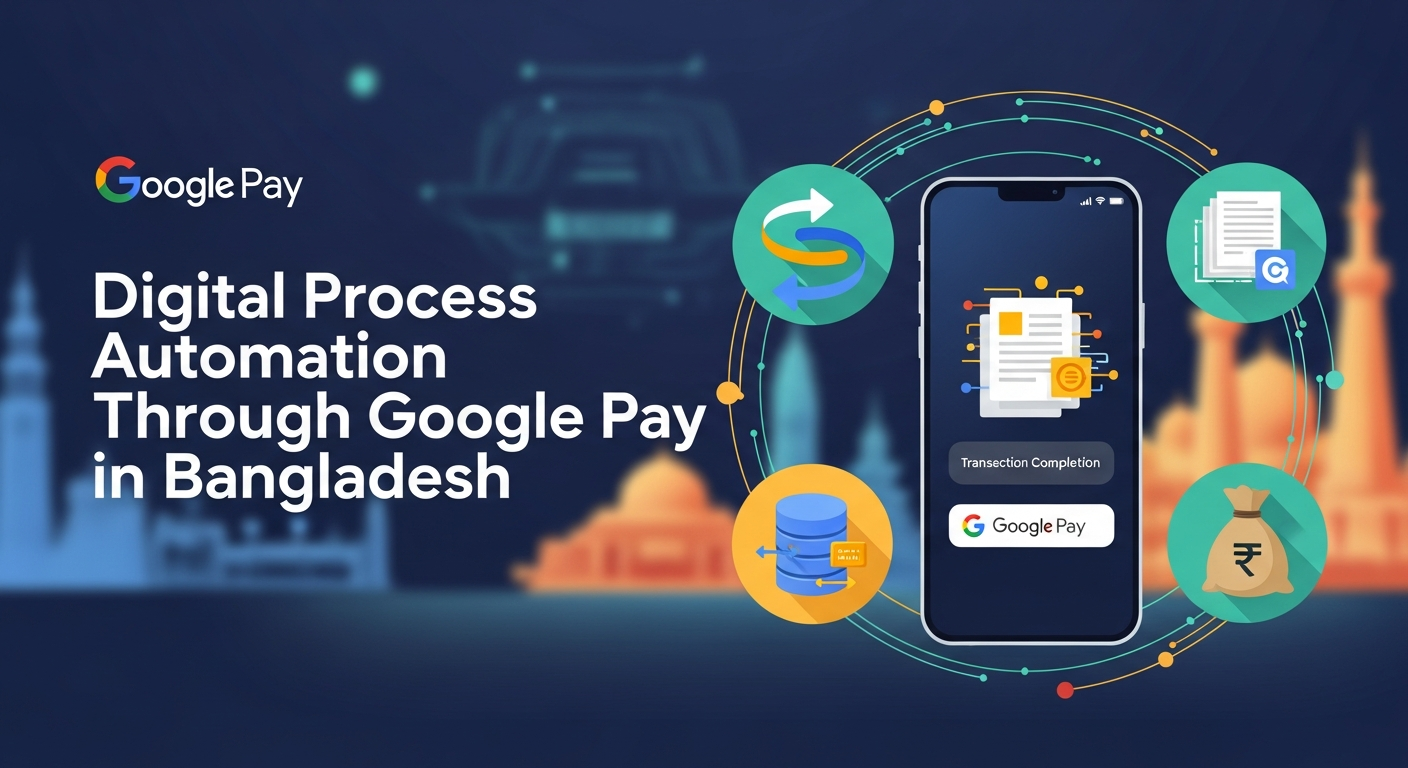
Google Pay in Bangladesh can accelerate digital process automation in rural financial services. Instead of manual cash handling and paperwork, payments can move instantly between users, merchants, and banks. Automated digital processes reduce delays, minimize human error, and lower operational costs. For rural economies, this means quicker access to funds and smoother financial workflows that support long-term growth.
Helping Women Access Finance
Bangladeshis women have been long cut off from banking. There are difficulties due to cultural barriers and absence of records. Google Pay may help address these issues.
Women would be able to use family handsets for financial services. They could secretly transmit and receive money. This freedom may allow them to have a better financial life.
Including Young People
Bangladesh is a country where the population is mostly young. Lots of young people are tech savvy. Those users could be funneled into digital banking through Google Pay.
It was easy for students to receive money from relatives. They’d be able to spend on school supplies and transportation. This early exposure to digital payments produces a lifetime in digital payment habits.
Google Pay in Bangladesh and Machine Learning in Digital Finance
As adoption grows, Google Pay in Bangladesh could leverage machine learning in digital finance to personalize user experiences. AI-driven systems can analyze spending patterns, detect fraud, and recommend smarter financial decisions. This technology helps users manage money efficiently while improving platform security. Machine learning also enables financial institutions to understand consumer behavior and design better digital services.
How Google Pay Is Growing the Fintech Sector in Bangladesh
Google Pay is helping the fintech sector grow in Bangladesh. It makes sending and receiving money easier. People can use their phones to pay quickly and safely. More shops and businesses are starting to accept digital payments. This helps reduce the use of cash. Local banks and fintech startups can also build new services using Google Pay. It gives people better access to financial tools. As more people use it, the digital economy becomes stronger. Google Pay is opening new doors for finance and technology in Bangladesh.
Creating Jobs
Google Pay’s entry could generate employment in Bangladesh. Local staff would also be needed for customer support. Technical positions to maintain apps would also grow, he added.
Local merchants who accept digital payments would flourish. That includes internet service providers and smartphone sellers. More employment means better economic conditions for all.
Encouraging Innovation
That competition from Google Pay (assuming it’s made available here) may also spur local fintech companies to up their game. Customers win in this competition, through improved services and lower costs.
Developers in Bangladesh may build new apps that can function with Google Pay. This creativity may bring about novel solutions to local challenges.
A Digital Finance Guide for First-Time Users of Google Pay in Bangladesh
For many people, Google Pay in Bangladesh would serve as their first digital finance guide. The platform’s simple interface can help new users understand digital transactions without needing technical knowledge. Step-by-step payment flows, alerts, and transaction histories teach users how to manage money digitally. This educational role is essential in a country where many are entering digital finance for the first time.
Attracting Investment
The likes of Google Pay might bring more international investment into the fintech sector of Bangladesh.” Investors could also view the country as a more fertile market for digital payments start-ups.
Such an investment could also be used to seed new startups and grow existing firms. The more money there is in the sector, the faster it can grow and the better service performing companies will be to users.
Strengthening Bangladesh’s Digital Finance Ecosystem
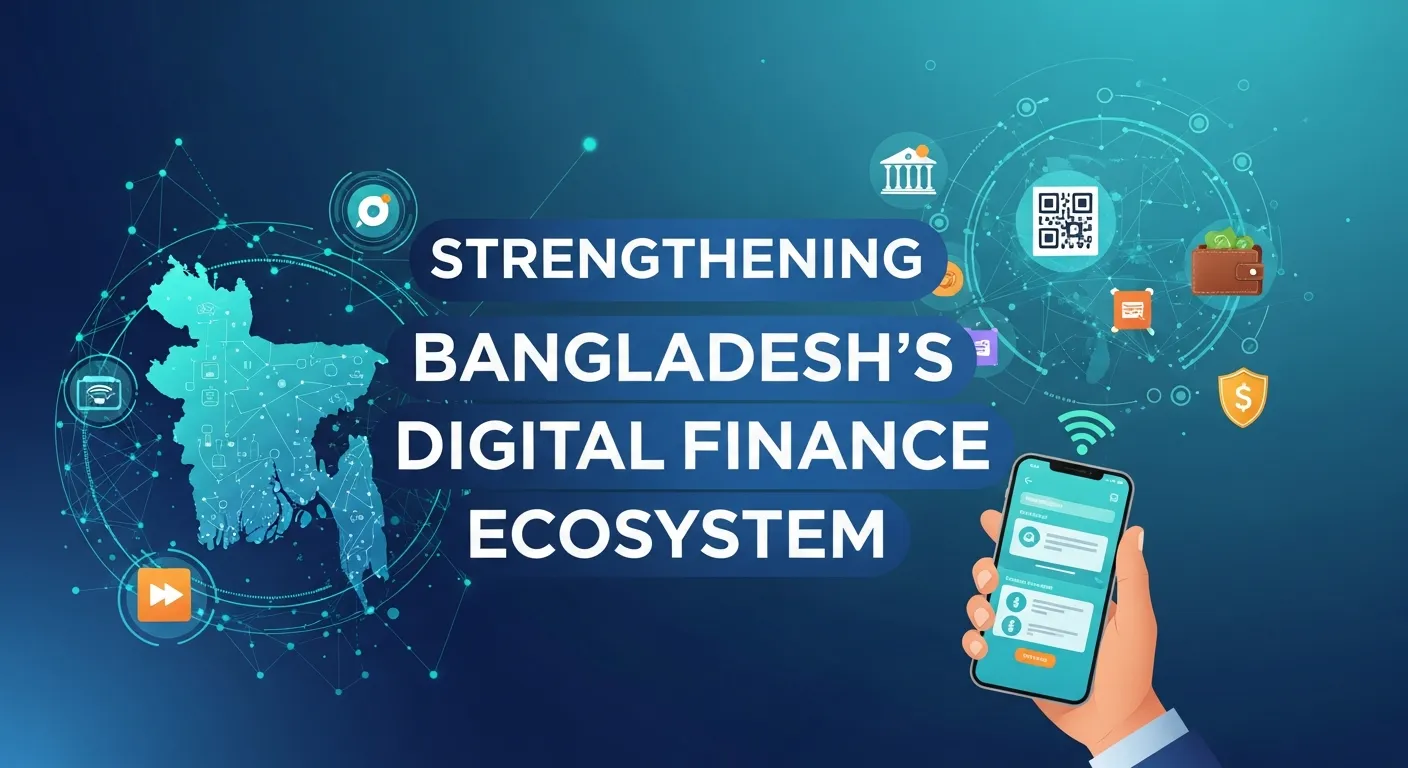
Google Pay in Bangladesh could act as a bridge connecting banks, fintech startups, merchants, and users into one unified digital ecosystem. Such integration supports digital transformation at scale while encouraging digital process automation across multiple financial channels. A connected ecosystem also creates new opportunities for innovation powered by machine learning in digital finance, making services smarter and more inclusive.
Challenges to Consider
Internet Infrastructure
Bangladesh can still use better internet access. There are places where the connections are slow and unreliable. Google Pay requires a solid internet connection to function as it should.
The government and the private companies building it have more work to do in improving internet infrastructure. Better connections would make it easier for people to use digital payment services.
Education and Awareness
Most people in Bangladesh do not know how to use online payments. They fret about security and losing money. Trust requires education programs.
Google and local partners could develop simple training materials. The former should be in Bengali and be illustrated with ordinary examples. Local community leaders could assist in the dissemination of information.
Regulatory Support
The Bangladesh government needs to issue clear guidelines for international payment services. They should protect users and enable innovation.
The time has come for the central bank to have policies that serve both local and global fintech firms. Fair competition rules would help everyone who uses these services.
On the Horizon: The Next Generation of Digital Payments
Google Pay could help change the way money moves in Bangladesh. The service could enable millions of people to be banked for the first time. Small businesses may even be able to expand more quickly with more convenient payment options.
Success is all about partnerships. Google, local banks, the government, and its users all have a part to play. We need to invest in education and infrastructure.
Bangladesh can be a digital payment leader in South Asia. With the proper focus, Google Pay might be a linchpin of this transition.
But closing the gap to full digital inclusion will be a process. But apps such as Google Pay are a step in the right direction. They provide hope — for a more connected, and financially included, Bangladesh.
Conclusion
Google Pay in Bangladesh represents more than just a payment tool—it is a gateway to digital transformation and financial inclusion. From rural farmers to young students and small business owners, the platform could simplify transactions and connect millions to formal financial systems. By integrating with banks, enabling digital process automation, and leveraging machine learning in digital finance, Google Pay can strengthen the country’s fintech landscape. However, success will depend on infrastructure, awareness, regulation, and collaboration. With the right support, Google Pay in Bangladesh could become a powerful catalyst for a smarter, more inclusive digital economy.
FAQs: Google Pay in Bangladesh
1. Is Google Pay officially available in Bangladesh?
No, Google Pay in Bangladesh has not been officially launched yet. However, given the country’s rapid growth in mobile financial services and digital adoption, it has strong potential to enter the market in the near future.
2. How could Google Pay help Bangladesh’s fintech sector?
Google Pay in Bangladesh could accelerate fintech expansion by increasing digital transactions, encouraging competition, attracting foreign investment, and helping local startups build smarter financial services around a global payment ecosystem.
3. Can Google Pay work on low-cost smartphones?
Yes. Google Pay is optimized for Android devices across different price ranges, making it suitable for budget smartphones widely used in Bangladesh, which is essential for broad adoption and financial inclusion.
4. How would rural users benefit from Google Pay in Bangladesh?
Rural users could receive and send payments digitally without traveling to towns or banks. This would save time, reduce cash dependency, and provide safer financial access even in remote areas with limited infrastructure.
5. Could Google Pay replace local services like bKash or Nagad?
Google Pay in Bangladesh would likely complement rather than replace local MFS providers. Healthy competition and possible integrations could improve service quality, user experience, and innovation across the digital payment market.
6. Is Google Pay secure for digital payments?
Yes. Google Pay uses advanced encryption, tokenization, biometric authentication, and machine learning-based fraud detection to ensure secure transactions and protect users from digital financial risks.
7. How can small businesses benefit from Google Pay?
Small businesses in Bangladesh could accept digital payments without investing in costly POS machines. It would also help them maintain transaction records, analyze customer behavior, and build creditworthiness.
8. Would Google Pay improve financial inclusion for women?
Absolutely. Google Pay in Bangladesh could empower women by giving them easier access to digital finance, even through shared family devices, helping them gain more financial independence and privacy.
9. How does machine learning help Google Pay users?
Machine learning enhances Google Pay by detecting unusual transaction patterns, preventing fraud, personalizing financial insights, and improving overall security and user experience.
10. What challenges could Google Pay face in Bangladesh?
Major challenges include inconsistent internet access in rural areas, limited awareness of digital payment systems, regulatory approval, and user trust in international financial platforms.
11. Would banks in Bangladesh benefit from Google Pay integration?
Yes. Banks could reach new customer segments, offer seamless mobile payment services, reduce operational costs, and participate in a broader digital finance ecosystem powered by Google Pay.
12. Why is Google Pay important for Bangladesh’s digital transformation?
Google Pay in Bangladesh could reduce reliance on cash, enable digital process automation, strengthen fintech innovation, and create a modern, inclusive financial infrastructure supporting nationwide digital transformation.





Google Pay in Bangladesh: Expediting Fintech and Digital Inclusion
How Open Banking APIs Are Revolutionizing Digital Finance?
What Is Financial Technology (FinTech)? Everything You Need to Know
Cross-Border Payment Solutions for Businesses – What SMBs Should Know
Digital Twin Technology in Finance: How Virtual Models Are Transforming Risk Management
The Future of Personal Finance: Autonomous Finance and AI Money Management
AI Credit Scoring: Revolutionizing SME Banking and Digital Loans
AI Fraud Detection: How Banks Prevent Financial Crime in Real Time