
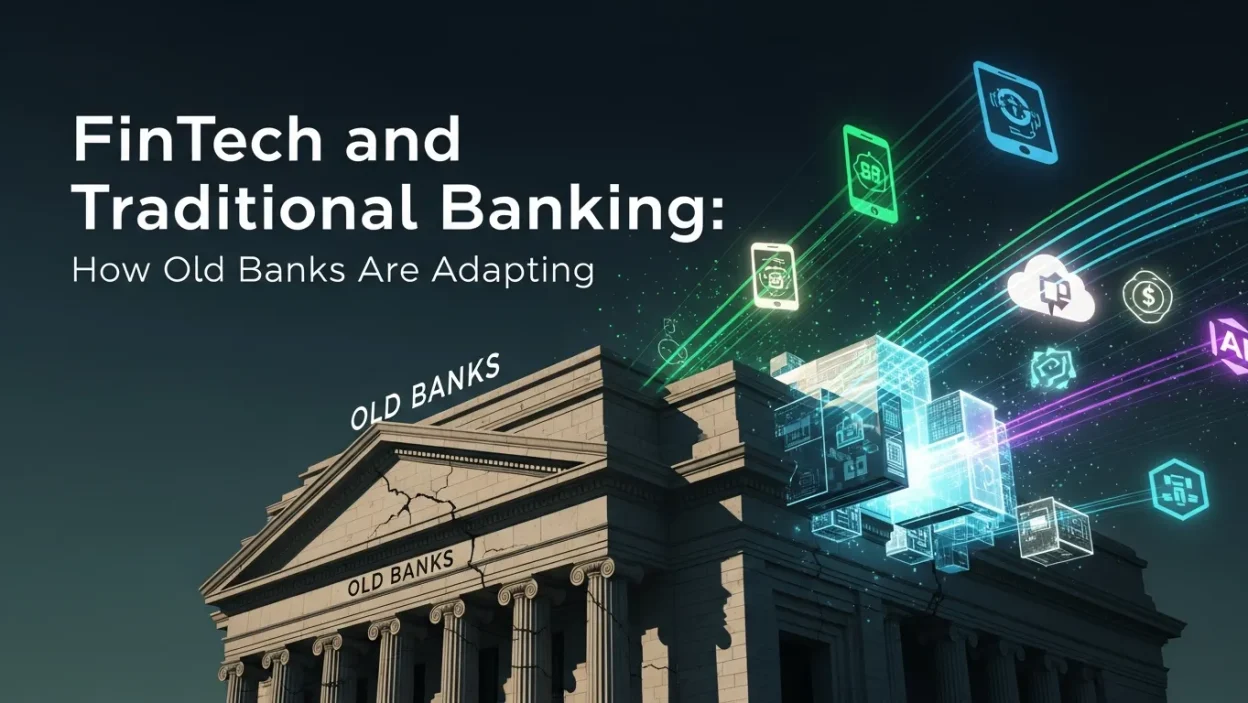
FinTech and Traditional Banking are reshaping global finance through innovation, collaboration, and digital transformation, delivering faster services, improved inclusion, and smarter financial solutions for consumers, businesses, and institutions alike.
The financial world has been transformed over the past decade. FinTech, or financial technology, has evolved from a niche industry that many banks viewed as a threat, to a highly lucrative line of business that has banks’ full attention. From frictionless payment systems to customized lending options, FinTech is driving traditional banking into new, perhaps unprecedented realms.
FinTech and Traditional Banking: A Rapidly Evolving Relationship
FinTech and Traditional Banking are no longer operating in isolation. What once began as a disruptive rivalry has now evolved into a complex relationship of competition and collaboration. Traditional banks are increasingly adopting FinTech-driven solutions to modernize legacy systems, improve customer experience, and remain relevant in a digital-first economy. At the same time, FinTech startups benefit from banks’ regulatory expertise and established trust, creating a hybrid financial ecosystem that blends innovation with stability.
What is FinTech?
FinTech, or financial technology, refers to the use of modern digital tools to deliver financial services that are faster, more affordable, and easier to access. It includes everything from mobile payment apps like PayPal and Venmo to blockchain-powered platforms and decentralized finance (DeFi) solutions.
The core goal of FinTech is to solve long-standing challenges in traditional banking, such as slow transaction times, limited accessibility, and high service costs. By leveraging technologies like artificial intelligence, blockchain, big data analytics, and mobile innovation, FinTech is reshaping how people and businesses interact with money in the digital age.
Digital Finance VS Traditional Finance: Understanding the Core Differences
The contrast between Digital Finance VS Traditional Finance highlights why FinTech has gained such momentum. Traditional finance relies heavily on physical branches, paperwork, and manual verification processes, while digital finance emphasizes automation, mobile access, and real-time data processing. FinTech platforms offer faster onboarding, lower operational costs, and seamless user experiences, making financial services more accessible to a broader audience. This fundamental difference explains why consumers increasingly prefer digital-first financial solutions.
The Future of FinTech and How These Innovations are Shaping the Financial Industry
Digital Payment Platforms
Write a check and deal with the payment-processing delays and fees? Digital payment systems like PayPal, Square and Stripe have changed the way money moves. These services enable individuals and businesses to pay one another instantly, often at a lower cost than using credit cards or wire transfers.
Financial and Digital Inclusion Through FinTech Innovation
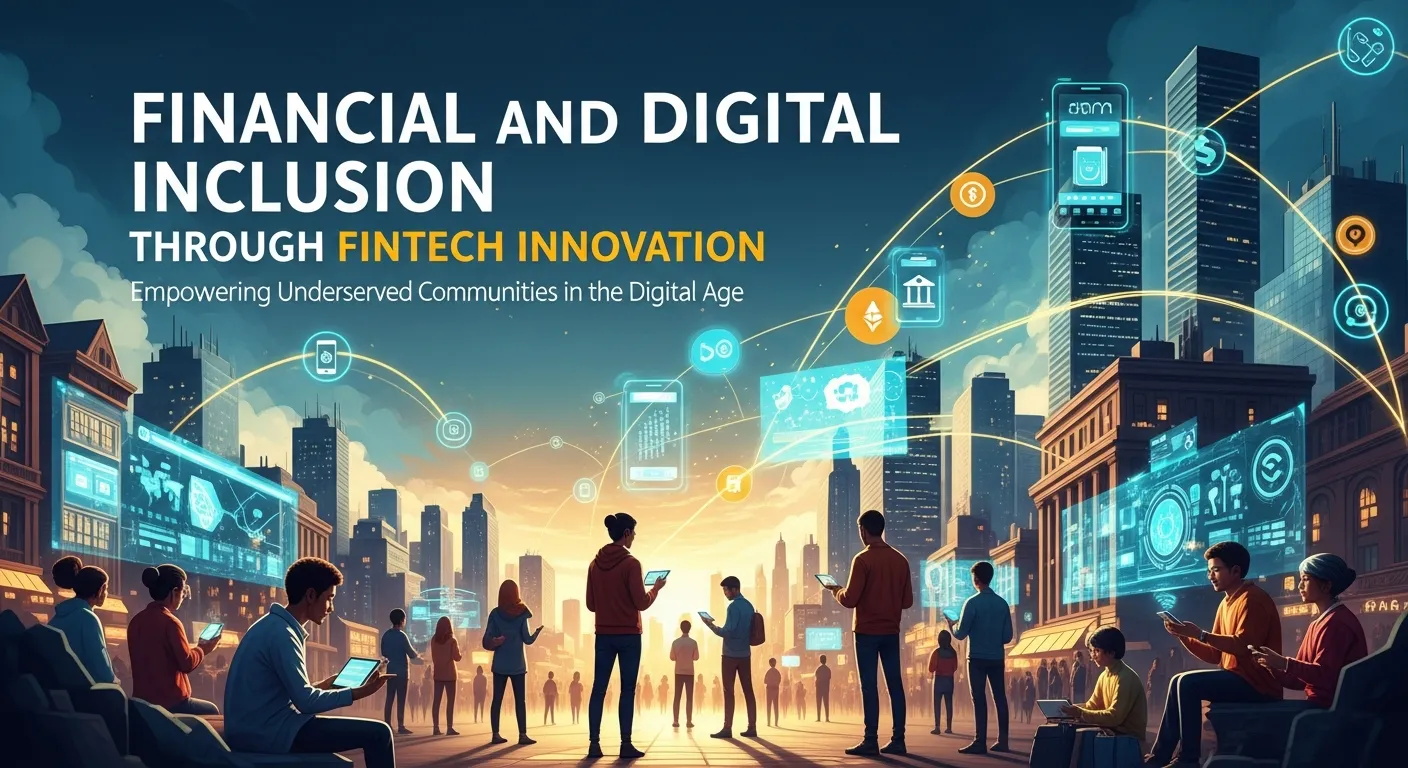
One of the most transformative outcomes of FinTech and Traditional Banking convergence is financial and digital inclusion. FinTech solutions enable individuals without access to traditional banks to participate in the financial system through mobile wallets, digital lending, and online savings tools. In developing regions, these innovations empower rural populations, small businesses, and women entrepreneurs by reducing dependency on physical banking infrastructure and lowering entry barriers to essential financial services.
How Digital Payments Are Challenging Traditional Banking:
- Speed: Instantaneous money values are transferred across the network nearly in real time, negating the need for sluggish inter bank processing.
- Going Global: Simplifying cross-border payments because it’s no longer necessary to worry about exchange rates as in the past.
- Safer Transactions: Thanks for encryption, people now trust digital payments more than they trust the banks these days.
P2P Lending Platforms
Traditional bank loans often require lengthy application processes, strict credit checks, and high interest rates, making borrowing difficult for many individuals and small businesses. Peer-to-peer (P2P) lending platforms have emerged as a powerful FinTech alternative to this system.
Platforms such as LendingClub and Prosper connect borrowers directly with individual lenders through digital marketplaces, eliminating the need for traditional banking intermediaries. By using data-driven credit assessments and automated risk analysis, P2P lending platforms can offer faster approvals, more flexible terms, and competitive interest rates. This model not only benefits borrowers with easier access to capital but also allows lenders to earn returns by directly funding loans.
FinTech as a Modern Financial Services Guide for Consumers
FinTech has emerged as a comprehensive financial services guide, helping users manage payments, savings, investments, and insurance within a single digital ecosystem. Unlike traditional banking models that often silo services, FinTech platforms integrate multiple offerings into user-friendly dashboards. This holistic approach allows consumers to make informed financial decisions, track spending habits, and access personalized financial products tailored to their needs and risk profiles.
Benefits of Peer to Peer Lending:
- Quicker with less bureaucracy.
- Extremely competitive interest rates based on the borrower’s data profile.
- Loan access democratized, particularly for underserved who do not have credit histories.
Robo-Advisors – The Wealth Managers
Wealth management, for decades, was an offering exclusive to the folks who could afford pricey financial advisors. In come the robo-advisors — Betterment, Wealthfront and Robinhood, among others — to supplant human opinions on portfolio recommendations and management with algorithms.
How Robo-Advisers Are Upending the Staid World of Wealth Management:
- Accessibility: Robo-advisors are cheaper than traditional advisors and offer low investment minimums making investing more accessible to everyone.
- 24/7 Accessibility: Users can take care of their own portfolios and holdings no matter where they may be.
- Customized Advice: Intelligent, data-based analytics result in each portfolio being customized to individual risk tolerances and objectives.
Innovating Traditional Banking with AI and Data-Driven Insights
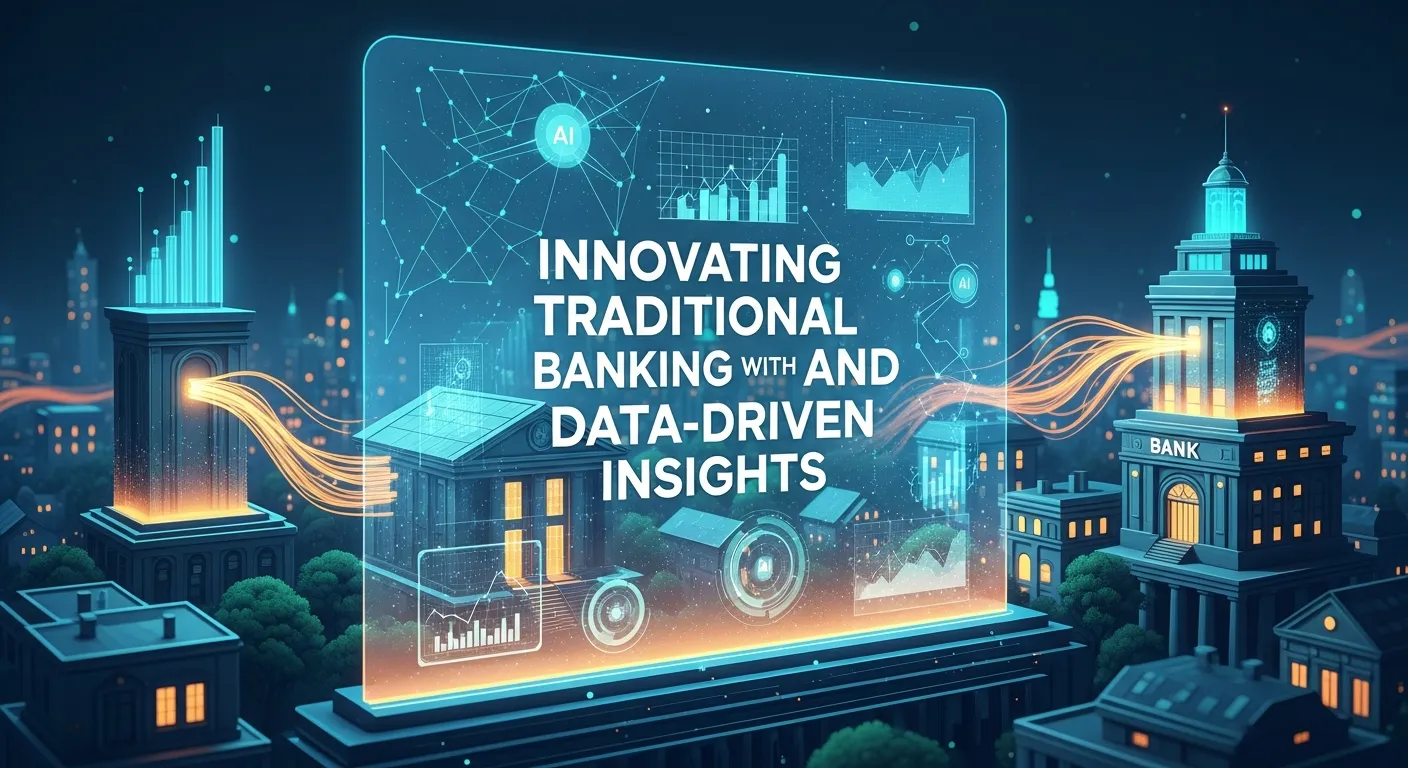
Innovating traditional banking has become a priority as customer expectations shift toward personalization and speed. By leveraging AI, machine learning, and big data analytics, banks can now offer predictive insights, customized financial advice, and proactive customer support. FinTech-driven innovation enables traditional banks to move beyond generic products and adopt intelligent systems that anticipate customer needs while reducing operational inefficiencies.
Blockchain and Cryptocurrencies
When Bitcoin came onto the scene in 2009, it offered the public a decentralized form of banking that left out the banks. Fast forward to now, and blockchain technology is used to drive not just cryptocurrencies, but also scores of financial innovations like smart contracts and decentralized finance (DeFi).
How Blockchain Disrupts the Financial Industry:
- Transparency: With the ledger system of blockchain, users could openly trace transactions and validate without third party interference.
- Speed and Scalability: Cross-border payments can be concluded in seconds, rather than in the days it now takes the correspondent banking network to settle.
- Security: Thanks to cryptographic protocol, the data recorded on the blockchain can’t be tampered with.
Regulatory Balance Between FinTech and Traditional Banking
As FinTech continues to reshape traditional banking, regulatory frameworks play a crucial role in maintaining trust and stability. While banks operate under strict compliance requirements, FinTech companies often face lighter regulations, creating an uneven playing field. Governments and regulators are now working to balance innovation with consumer protection, ensuring that both FinTech and traditional institutions adhere to standards that safeguard financial systems without stifling technological progress.
Customized Online and Mobile Banking Products
Conventional banks can be slow to pivot to meet the needs of their customers since they typically offer one size fits all products and services. FinTech apps meanwhile leverage AI and machine learning to bring personalized banking experiences to each individual.
Examples in Retail Banking:
- The savings apps Chime and Ally dissect spending habits to suggest media-crafted saving regimens.
- Chatbot-based platforms help customers in real time, eradicating the requirement of long queuing lines or holding on phone.
Customer Experience: The New Battleground for Banks and FinTech
Customer experience has become a defining factor in the competition between FinTech and Traditional Banking. FinTech firms prioritize intuitive design, instant support, and personalized journeys, while many traditional banks still struggle with outdated interfaces and slow response times. To stay competitive, banks are increasingly redesigning digital touchpoints, integrating chatbots, and adopting mobile-first strategies that align with modern consumer expectations.
InsurTech (Insurance Technology)
Insurance, which used to be handled through a long, physical paper process, has been made frictionless through InsurTech startups. Firms like Lemonade and Oscar Health offer policies that can be bought in minutes using AI underwriting.
Challenging Aspects of InsurTech:
- AI used for fast claims processing.
- More transparent pricing with the help of data analytics.
- Features of gamification that incentivize positive gesture of building a healthy user, when considering wellness acts.
AI-Powered Fraud Detection
Preventing fraud is one of the most important jobs for traditional banks, yet there are ways in which traditional methods have fallen behind increasingly sophisticated cybercriminals. FinTech startups address this issue with realtime fraud detection through AI.
How This Benefits Users:
- Preemptive fraud watchers for signs of spending.
- Behavioral biometrics that detect abnormal activity, like non-standard typing or login patterns.
- Doggedly expedite handling of reported transactions.
Why This Revolution Matters
The move towards FinTech isn’t simply in the name of velocity or ease of use, but is a movement in changing how customers interact and engage with their finance providers. For consumers, that means greater transparency, lower fees and personalized experiences. For old-fashioned banks, it’s a wake-up call to innovate or head for extinction.
The FinTech disruption is not a zero sum game – traditional banking won’t vanish, it has its place. Instead, the two worlds are colliding. For many banks it also means teaming up with FinTech start-ups or establishing its own digital ventures to keep pace.
The Future of FinTech and Traditional Banking: Collaboration Over Conflict
The future of FinTech and Traditional Banking lies not in elimination, but in coexistence. Rather than replacing banks, FinTech is redefining how financial institutions operate and deliver value. Strategic partnerships, open banking APIs, and embedded finance models are paving the way for a collaborative ecosystem where innovation and trust work hand in hand. This convergence will define the next phase of global financial transformation.
What’s Next for FinTech?
We are still early in the financial tech revolution. Emerging trends such as biometric payment, quantum computing in finance and improved AI are set to take these innovations to new levels.
But for professionals and businesses, the imperative to keep pace with these changes is, well, imperative. By learning how to seamlessly integrate FinTech into your daily routines, you can future-proof your finances, and open up exciting new growth possibilities.
Conclusion
FinTech and Traditional Banking are no longer opposing forces but evolving partners shaping the future of finance. Through innovation, collaboration, and digital inclusion, they are creating faster, smarter, and more accessible financial services. As technology advances, institutions that embrace change will lead the next era of global financial transformation.
FAQs: FinTech and Traditional Banking
1. What is FinTech?
FinTech, short for financial technology, refers to the use of modern digital tools such as AI, blockchain, mobile apps, and big data to deliver financial services more efficiently. It improves speed, accessibility, and affordability compared to traditional banking systems.
2. How does FinTech impact traditional banking?
FinTech forces traditional banks to innovate by digitizing services, reducing operational costs, and improving customer experience. Banks now focus on mobile banking, automation, and data-driven decision-making to stay competitive.
3. Is FinTech replacing traditional banks?
No, FinTech is not replacing traditional banks. Instead, it complements them by filling service gaps and accelerating innovation. Many banks collaborate with FinTech startups to modernize operations and expand digital offerings.
4. What is Digital Finance vs Traditional Finance?
Digital finance relies on online platforms, mobile apps, and automated systems, enabling instant transactions and remote access. Traditional finance depends on physical branches, paperwork, and manual processes, making it slower and less flexible.
5. How does FinTech support financial inclusion?
FinTech promotes financial and digital inclusion by providing mobile wallets, digital payments, and micro-lending to unbanked and underserved communities. It removes barriers such as high fees, documentation requirements, and geographical limitations.
6. Are FinTech services secure?
Yes, most FinTech platforms use advanced security measures such as encryption, multi-factor authentication, biometric verification, and AI-powered fraud detection to protect user data and transactions.
7. Why are banks partnering with FinTech companies?
Banks partner with FinTech companies to adopt innovation faster, reduce development costs, and deliver better digital services. These partnerships help banks stay relevant without completely overhauling legacy systems.
8. What role does AI play in FinTech?
Artificial Intelligence powers personalized financial recommendations, real-time fraud detection, automated customer support, and predictive analytics. AI helps FinTech and traditional banking institutions make smarter, faster decisions.
9. How do digital payments affect banks?
Digital payments reduce cash dependency, speed up transactions, and lower operational costs for banks. They also improve customer convenience while opening new revenue streams through data-driven services.
10. What is open banking in FinTech?
Open banking allows customers to securely share their financial data with third-party FinTech apps through APIs. This leads to better financial products, increased transparency, and improved customer control over data.
11. Can FinTech help small businesses?
Yes, FinTech helps small businesses by offering faster payments, easier access to credit, expense tracking, and cash-flow management tools. These solutions reduce reliance on traditional banking paperwork and delays.
12. What is the future of FinTech and Traditional Banking?
The future lies in collaboration, where FinTech innovation and traditional banking trust combine. Together, they will deliver smarter financial services, stronger security, and inclusive digital finance for individuals and businesses worldwide.




Google Pay in Bangladesh: Expediting Fintech and Digital Inclusion
What Is Financial Technology (FinTech)? Everything You Need to Know
How Open Banking APIs Are Revolutionizing Digital Finance?
Cross-Border Payment Solutions for Businesses – What SMBs Should Know
Digital Twin Technology in Finance: How Virtual Models Are Transforming Risk Management
The Future of Personal Finance: Autonomous Finance and AI Money Management
AI Credit Scoring: Revolutionizing SME Banking and Digital Loans
AI Fraud Detection: How Banks Prevent Financial Crime in Real Time