

Embedded finance enables digital platforms to integrate financial services such as payments, lending, and insurance directly into user experiences. By leveraging APIs, Banking-as-a-Service, and data-driven technologies, businesses can deliver seamless financial integration that improves convenience, personalization, and accessibility. This model enhances platform value, unlocks new revenue streams, and reshapes how consumers interact with financial services in everyday digital environments.
Digital finance has evolved rapidly over the past decade, reshaping how consumers access banking, payments, lending, and insurance. One of the most impactful developments in this space is embedded finance—a model that integrates financial services directly into non-financial digital platforms. Industry analysts project this market to surpass hundreds of billions of dollars in value, driven by growing consumer demand for convenience, personalization, and real-time processing.
Stay with us as we delve into embedded finance, examining its definition, key components, benefits, real-world applications, compliance challenges, implementation best practices, and future trends. By the end, you’ll understand why embedded finance is reshaping the digital economy and how businesses can harness its potential.
What Is Embedded Finance?
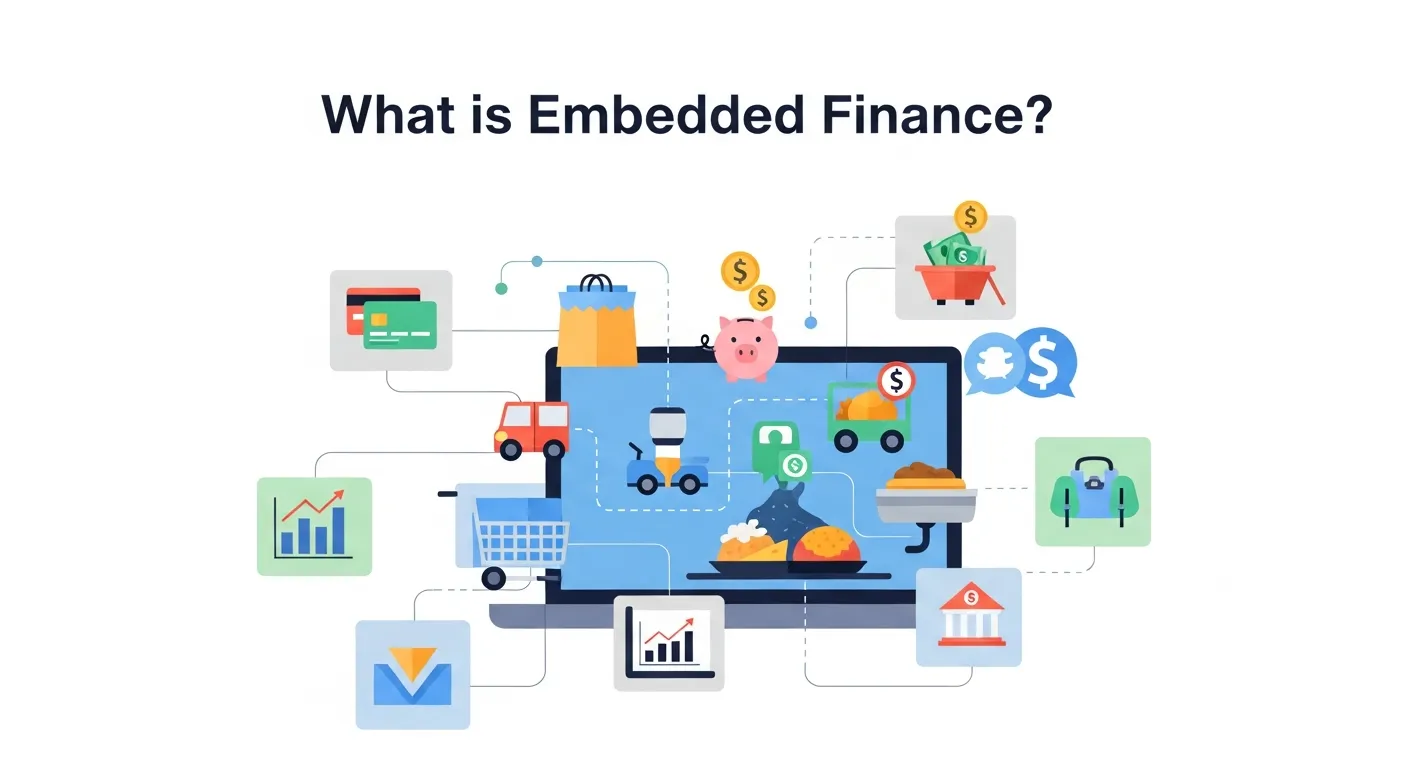
Embedded finance refers to the seamless integration of financial services—such as payments, lending, insurance, and investment—within the user experience of non-financial applications and platforms. Unlike traditional banking, where customers must navigate separate portals or apps, embedded finance allows users to access financial products at the point of need without leaving their preferred digital environment. This model is powered by APIs (Application Programming Interfaces), which connect platform partners to banking and insurance systems, enabling real-time transactions, automated underwriting, and dynamic risk evaluation. From origin to maturity, the concept draws on Open Banking APIs principles, API economies, and the rise of banking-as-a-service (BaaS) providers. As a result, companies can embed a variety of financial capabilities directly into their websites, mobile apps, or third-party ecosystems, delivering frictionless experiences that enhance customer engagement and revenue generation.
Key Components of Embedded Finance
- APIs and SDKs: Core to embedded finance, these software tools facilitate secure connections between platforms and financial institutions, enabling seamless integration. They enable developers to integrate services such as payment processing, account creation, and credit checks with minimal overhead.
- Banking-as-a-Service (BaaS) Providers: BaaS platforms serve as intermediaries, offering modular financial services through white-labeled APIs. They handle the heavy lifting—liquidity management, compliance, and core banking functions—allowing businesses to focus on delivering an exceptional customer experience.
- Data Analytics and AI: Advanced analytics tools and machine learning algorithms analyze transactional and behavioral data to deliver personalized offers, credit risk assessments, and real-time fraud detection. This intelligence is crucial for optimizing user journeys and minimizing operational risks.
- Regulatory Compliance Modules: Embedded finance solutions must adhere to local and international regulations, including PSD2, GDPR, KYC, AML, and PCI DSS. Compliance modules automate identity verification, transaction monitoring, and reporting to ensure alignment with legal and regulatory requirements.
- User Experience (UX) Layers: A seamless user interface is critical. Platforms often build custom UX components—such as forms, prompts, and dashboards—that integrate with backend financial APIs to deliver a cohesive experience without redirecting users to third-party sites.
Embedded Finance Architecture and Financial Integration Layers
Embedded finance operates through a layered, API-driven architecture that enables smooth financial integration across digital platforms. Each layer plays a distinct role, ensuring scalability, security, and compliance while delivering seamless user experiences. This modular structure allows businesses to integrate only the financial services they need without building full banking infrastructure.
At the foundation are regulated financial institutions and Banking-as-a-Service providers. Above this layer, APIs and middleware connect financial capabilities to digital platforms, while UX layers ensure the services feel native to users.
Core architectural layers include:
- Licensed banks and financial institutions
- Banking-as-a-Service (BaaS) platforms
- API and middleware integration layers
- Compliance and risk management modules
- Front-end UX components embedded into digital platforms
Benefits for Businesses and Consumers
For businesses, embedded finance unlocks new revenue streams and monetization strategies. Companies can earn interchange fees on payments, interest spreads on embedded financing, and referral commissions for insurance offerings. Additionally, self-service financial tools increase customer retention by reducing friction and enhancing loyalty. On the operations side, automation reduces manual processing costs and accelerates time to market for new financial products.
Consumers enjoy the convenience of accessing financial services within apps and platforms they already use. Whether it’s a ride-hailing app offering in-app wallet top-ups, an eCommerce site providing point-of-sale financing, or a healthcare portal streamlining patient billing, embedded finance simplifies transactions and saves time. Moreover, personalized credit and insurance products tailored to individual needs promote better financial health and inclusion, particularly in underserved segments that lack access to traditional banking services.
How Embedded Finance Enhances Digital Platform Value

Embedded finance transforms digital platforms from simple service providers into full financial ecosystems. By integrating payments, lending, insurance, and other financial services directly into non-financial applications, platforms can deliver seamless and intuitive user experiences. This level of financial integration reduces friction, shortens transaction journeys, and keeps users engaged within a single interface. Instead of redirecting customers to external banking apps, embedded finance enables real-time financial interactions at the point of need.
For digital platforms, this integration increases customer lifetime value while unlocking new monetization opportunities. Platforms gain deeper insights into user behavior, enabling personalized financial offers that improve satisfaction and retention. Over time, embedded finance strengthens platform loyalty and positions digital businesses as trusted financial touchpoints within users’ daily lives.
Key advantages for digital platforms include:
- Increased user engagement and retention
- Higher conversion rates through frictionless payments
- New revenue streams from financial products
- Improved customer trust through integrated financial experiences
Use Cases Across Industries
- eCommerce and Retail: Customers can check out with one-click payments, apply for buy-now-pay-later financing, or access tailored cashback offers without leaving the merchant’s website.
- Mobility and Ride-sharing: In-app wallets allow users to pay for rides, top up balances, and tip drivers seamlessly, while platforms can offer driver loans and insurance products.
- SaaS and Marketplaces: B2B software solutions embed invoicing, transaction processing, and embedded lending to optimize cash flow and subscription management for their users.
- Healthcare and Wellness: Patient portals integrate billing, insurance claims submissions, and financing plans for elective procedures, improving transparency and reducing administrative overhead.
- Travel and Hospitality: Booking platforms integrate currency exchange, travel insurance, and dynamic credit offers, providing a seamless booking-to-payment experience.
Embedded Finance Use Cases by Platform Type
Different digital platforms adopt embedded finance in ways that align with their core business models. Whether consumer-facing or B2B-focused, financial integration enhances platform functionality and value creation.
| Platform Type | Embedded Finance Capabilities | Business Impact |
|---|---|---|
| eCommerce Platforms | Embedded payments, BNPL, digital wallets | Higher checkout conversion, increased order value |
| Mobility Apps | In-app wallets, driver financing, insurance | Improved driver retention, faster transactions |
| SaaS Platforms | Invoicing, embedded lending, payouts | Better cash flow management, recurring revenue |
| Marketplaces | Escrow payments, instant settlements | Increased trust between buyers and sellers |
| Healthcare Platforms | Billing, insurance claims, patient financing | Reduced admin costs, improved patient experience |
This diversity highlights how embedded finance adapts to different digital environments while delivering consistent value.
Regulatory and Security Considerations
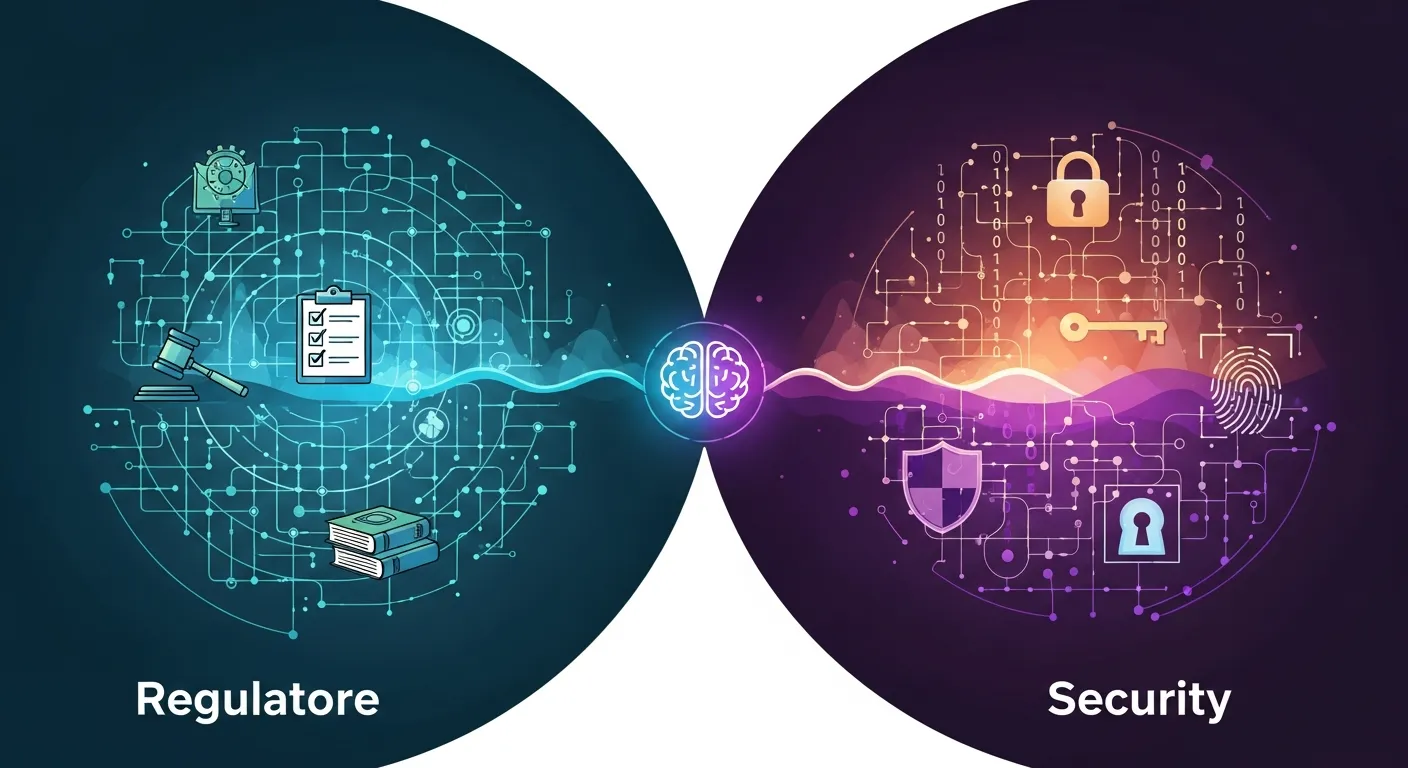
Embedded finance sits at the intersection of technology and regulation. Companies must navigate a complex landscape of financial regulations, including PSD2 in Europe, Open Banking rules in the UK, GDPR for data privacy, and AML/KYC requirements globally. Engaging with licensed BaaS providers can mitigate regulatory risk, as these partners often maintain the necessary banking licenses and compliance infrastructure. Security is equally critical: organizations must implement end-to-end encryption, tokenization of sensitive data, multi-factor authentication, and continuous fraud monitoring. Regular security audits and compliance assessments ensure that embedded finance integrations remain robust and trustworthy.
Embedded Finance and Data-Driven Personalization
One of the most powerful aspects of embedded finance is its ability to leverage data for personalization. Digital platforms already collect behavioral, transactional, and contextual data. When combined with financial integration, this data enables real-time decision-making and tailored financial offerings.
AI-powered embedded finance systems can dynamically adjust credit limits, recommend insurance products, or offer personalized payment options based on user behavior. This level of customization improves approval rates, reduces risk, and enhances user satisfaction.
Personalization benefits include:
-
Smarter credit and lending decisions
-
Customized payment and financing options
-
Improved fraud detection and risk assessment
-
Stronger financial inclusion for underserved users
Implementation Best Practices
Launching an embedded finance initiative requires a cross-functional approach. Start by defining clear business objectives—whether it’s boosting average order value, improving customer retention, or generating financial revenue. Next, select technology partners with proven track records, robust APIs, and transparent pricing models. Early-stage proofs of concept (POCs) in sandbox environments allow teams to validate user flows, performance, and security before scaling. Integrate compliance checks and risk controls from day one, leveraging third-party compliance modules or consulting with regulatory experts. Finally, invest in user experience design and customer support to handle inquiries, troubleshoot issues, and gather feedback for iterative improvements.
Common Challenges in Embedded Finance Implementation
While embedded finance offers significant benefits, implementation comes with challenges that digital platforms must carefully manage. Regulatory complexity, technical integration, and operational risk can slow adoption if not addressed early.
Successful platforms approach these challenges strategically by partnering with experienced BaaS providers, investing in scalable APIs, and embedding compliance from the start. Clear governance and customer support frameworks are also essential to maintain trust.
Key challenges include:
-
Navigating multi-jurisdictional financial regulations
-
Ensuring data security and privacy compliance
-
Managing operational and credit risk
-
Aligning financial services with platform UX
Embedded Finance as a Driver of Digital Ecosystem Growth
Embedded finance plays a critical role in building interconnected digital ecosystems. By integrating financial services, platforms move beyond single-use transactions and create continuous value exchanges.Financial integration encourages users to stay within one ecosystem for payments, financing, and related services.
As ecosystems grow, embedded finance enables cross-platform partnerships, shared data insights, and new business models. This shift positions digital platforms as long-term financial enablers rather than transactional intermediaries.
Ecosystem-level benefits include:
- Increased platform stickiness
- Cross-selling opportunities across services
- Stronger partner collaborations
- Sustainable, scalable revenue growth
Future Trends in Embedded Finance

The embedded finance landscape continues to evolve as technology, consumer expectations, and regulatory frameworks advance. Key trends include the growing use of AI-driven personalization, enabling highly tailored financial recommendations and dynamic pricing models. Blockchain and decentralized finance (DeFi) technologies are introducing new approaches to cross-border payments and settlement, helping reduce costs and processing times. Another major shift is the rise of composable banking architectures, where modular microservices allow organizations to select and integrate specific financial functions as needed. Sustainability-focused financial offerings—such as carbon offset options built into transactions—are also gaining momentum as environmental responsibility becomes a higher priority. At the same time, collaboration between traditional financial institutions and digital-first platforms is strengthening, creating hybrid ecosystems that combine innovation with operational stability.
Conclusion
Embedded finance represents a paradigm shift in how financial services are consumed and delivered. By integrating payments, lending, and insurance into everyday digital experiences, businesses can unlock new revenue streams, streamline operations, and differentiate their offerings. Consumers benefit from faster, more personalized, and inclusive financial solutions—all within the familiar interfaces they use daily. As regulatory frameworks evolve and technology advances, embedded finance will become increasingly ubiquitous across industries, ushering in a new era of digital finance that prioritizes fluidity, customization, and accessibility. Companies that embrace this trend today will be at the forefront of the next wave of financial innovation.
Frequently Asked Questions (FAQs)
1. What does embedded finance mean?
It refers to the integration of financial services such as payments, lending, insurance, and banking into non-financial digital platforms, allowing users to access these services directly within the apps or websites they already use.
2. How is this model different from traditional banking?
Traditional banking relies on separate apps, websites, or physical branches. This model delivers financial services at the point of need within digital platforms, making transactions faster and more convenient.
3. Why is this approach valuable for digital platforms?
It helps platforms improve user engagement, increase retention, and create additional revenue opportunities by offering seamless financial functionality within the user journey.
4. What role do APIs play in financial integration?
APIs enable secure, real-time connections between platforms and financial institutions, making it possible to process payments, verify identities, and manage accounts efficiently.
5. What is Banking-as-a-Service (BaaS)?
BaaS provides regulated banking infrastructure through APIs, allowing companies to offer financial products without operating as licensed banks or managing complex compliance requirements themselves.
6. Which industries benefit most from this model?
Industries such as eCommerce, mobility, SaaS, marketplaces, healthcare, and travel benefit by simplifying transactions, improving cash flow, and enhancing customer experiences.
7. How does this improve the user experience?
Users can complete payments, access financing, or purchase insurance within a single interface, reducing friction and eliminating the need to switch between multiple apps or services.
8. Is this type of financial integration secure?
Yes. Modern solutions rely on encryption, tokenization, identity verification, multi-factor authentication, and continuous fraud monitoring to protect user data and transactions.
9. How does this model support financial inclusion?
By delivering services through widely used digital platforms, it reaches underserved and unbanked users who may have limited access to traditional financial institutions.
10. What regulatory challenges are involved?
Compliance with regulations such as KYC, AML, data privacy, and payment security is essential. These requirements are often managed through licensed partners that specialize in regulatory compliance.
11. Can small businesses use this approach?
Yes. API-based and BaaS solutions make financial integration accessible to startups and small businesses without requiring large upfront investments or in-house banking expertise.
12. What does the future look like for this model?
Future developments include deeper platform integration, AI-driven personalization, modular financial services, and wider adoption across digital ecosystems.





How AI-Based Fraud Detection is Protecting Digital Payments
Embedded Finance and the Future of Seamless Digital Financial Services
Harnessing AI and Machine Learning for Fraud Detection in Digital Finance
Programmable Wallets: The Future of Budgeting in the Age of Smart Contracts
Digital Twin Technology in Finance: How Virtual Models Are Transforming Risk Management
The Future of Personal Finance: Autonomous Finance and AI Money Management
AI Credit Scoring: Revolutionizing SME Banking and Digital Loans
AI Fraud Detection: How Banks Prevent Financial Crime in Real Time