

In today’s digital landscape, more than 1.7 billion adults remain unbanked, deprived of essential financial tools such as savings accounts, affordable credit, and secure transaction methods. Mobile digital finance has emerged as a game changer, bridging geographical and socio-economic divides by transforming basic cellphones into gateways for banking services. Through innovations in mobile wallets, peer-to-peer payment systems, and streamlined regulatory frameworks, it is now possible to deliver inclusive financial products to populations that have been historically marginalized.
With smartphone penetration rising rapidly even in low-income regions and feature phones capable of handling SMS or USSD commands, providers can reach users 24/7 without the overhead of brick-and-mortar branches. As this year (2026) continues to witness technological convergence, partnerships among governments, telecoms, and fintech ventures are vital for creating sustainable ecosystems. This article explores how mobile digital finance is redefining access to financial services, examines key challenges, and highlights best practices shaping this transformative movement.
This article delves into the evolution of mobile financial services, strategies to overcome persistent barriers, and the role of digital identity in fostering trust. We also examine how collaborative public–private initiatives drive last-mile reach and the significance of continued investment in financial literacy. By the end, readers will understand not only the mechanisms behind mobile digital finance but also how to implement sustainable models that empower individuals and communities worldwide.
The Rise of Mobile Financial Services
Evolution of Digital Payments
Over the past ten years, mobile money has transitioned from simple SMS-based transfers to robust digital ecosystems that support a spectrum of financial transactions. Early pilots focused on sending remittances through text commands, but today’s solutions integrate features such as in-app budgeting, real-time notifications, and automated savings schemes. This evolution has been fueled by competition among fintech startups, investments by global institutions, and research by leading organizations like the World Bank, which emphasize the importance of low-cost, accessible services for inclusive growth.
Expansion of Peer-to-Peer and Microcredit Platforms
As mobile digital finance platforms matured, they began incorporating peer-to-peer (P2P) lending and microcredit functionalities. Alternative data sources—including bill payment history, airtime top-up patterns, and social network metrics—empower algorithms to evaluate creditworthiness in real time. Small business owners and farmers who were once excluded from formal banking channels can now secure microloans within minutes, boosting entrepreneurial activity and reinforcing local economies.
Smartphone Penetration and Network Growth
Currently, affordable smartphones and expanding 3G/4G coverage are shifting the primary channel from feature phones to advanced mobile applications. In many emerging markets, device costs have fallen below the equivalent of one week’s wages, making sophisticated financial apps attainable for a broader audience. Yet, initiatives that leverage USSD and SMS remain crucial for individuals with basic handsets or unreliable connectivity, ensuring no user is left behind.
Reducing Costs and Increasing Availability
By operating digitally, providers can significantly lower overhead expenses compared to traditional banking. The elimination of physical branches reduces staffing and infrastructure costs, while automated processes streamline customer onboarding and transaction clearing. These efficiencies translate into near-zero fees for end users, which in turn drives adoption and frequent use. For many, the convenience of around-the-clock service outweighs the need to travel long distances for in-person banking.
Building Trust Through Transparency
Transparent pricing models and clear user interfaces are essential for fostering confidence in digital finance. Platforms that display fees upfront, offer multilingual support, and provide intuitive dashboards help individuals understand how to manage their money effectively. Training local agents to educate communities and troubleshoot issues also strengthens trust, as users receive personalized guidance in their native languages.
Overcoming Barriers to Financial Inclusion

Lack of Documentation and Identity
Many adults worldwide lack the formal identification required to open a bank account, presenting a significant hurdle for mobile digital finance providers. Traditional KYC (Know Your Customer) processes often demand birth certificates, utility bills, or government-issued IDs, which may not be available in remote regions. To address this, several fintech platforms adopt tiered verification models: unverified users can perform basic transactions via mobile wallets, while full services become available after simplified digital checks using biometrics or community attestations. This flexible approach aligns with guidelines set by global regulators and research from institutions like GSMA, balancing inclusion with compliance.
Financial Literacy and Building Trust
Limited understanding of financial concepts, such as interest rates and transaction fees, can prevent potential users from engaging with digital services. Financial education campaigns—delivered through SMS, social media, and community workshops—equip individuals with essential knowledge about budgeting, saving, and using digital platforms safely. Additionally, transparent fee structures and intuitive interfaces reduce confusion and uncertainty. Engaging local influencers and trained agents to demonstrate features in native languages fosters credibility, encouraging hesitant users to transition from informal cash-based methods to secure, trackable mobile transactions.
Infrastructure Gaps and Gender Inequality
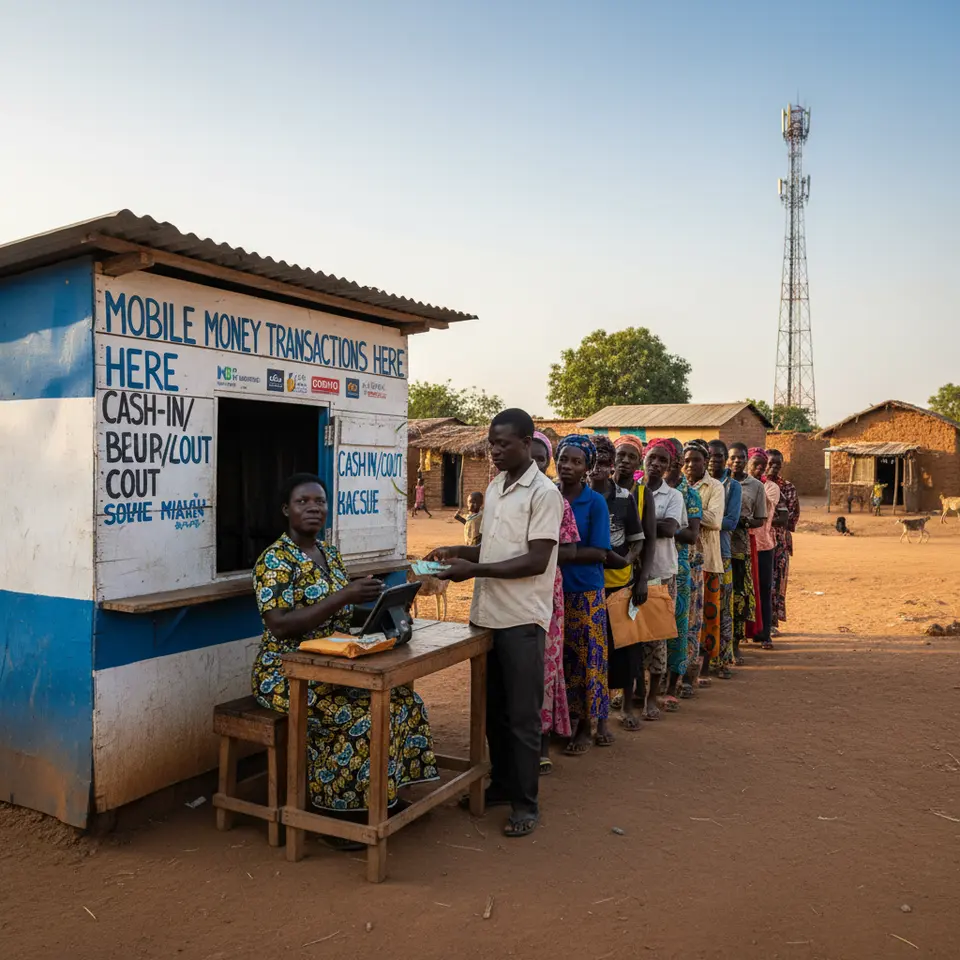
Connectivity challenges and socio-cultural norms disproportionately impact rural populations and women. In some regions, network coverage is sporadic, and basic mobile phones prevail, necessitating solutions compatible with USSD protocols. Meanwhile, women often face restrictions on phone ownership or mobility, limiting their access to financial tools. To bridge these divides, successful programs integrate shared agent networks in accessible community locations, support group enrollments, and provide women-centric training sessions. By tailoring services to local contexts and addressing social norms, providers can promote equitable access and drive broader economic participation.
Cost Sensitivity and Incentive Design
When target users operate on tight budgets, even nominal fees can deter usage. Fintech firms implement low to zero-fee structures for essential transactions, subsidized initially by grants or cross-subsidized services. Gamified incentives, such as reward points or airtime top-ups, encourage regular use and reward positive behavior like timely loan repayment or consistent savings. By closely monitoring transaction data and adapting incentives, platforms can optimize cost models that are sustainable for providers while remaining affordable for end users.
Empowering Users with Innovative Wallet Solutions
Comprehensive Mobile Wallet Features
Mobile wallets have evolved beyond simple fund transfers, offering a suite of financial services tailored to daily needs. Users can deposit cash at local agent locations, withdraw funds, and pay utility bills through the same interface. In-app functionalities often include savings pockets that allow individuals to segregate money for specific goals—education, health emergencies, or business investments. By consolidating these tools, mobile digital finance platforms minimize the need for multiple service providers and foster a habit of disciplined financial management.
Integration with Everyday Services
Successful wallet solutions integrate seamlessly with a variety of daily activities. Airtime top-ups, public transportation ticket purchases, and merchant payments through QR codes or near-field communication (NFC) technology reduce dependence on cash. For small merchants, accepting digital payments expands customer reach and simplifies end-of-day accounting with automated reconciliations. Encouraging this ecosystem of acceptance promotes liquidity, as users can transact confidently, knowing that digital currency is widely accepted within their communities.
Enhancing User Experience Through Personalization
Customization lies at the heart of sustainable engagement. Platforms leverage data analytics and AI-driven insights to deliver real-time spending alerts, tailored saving recommendations, and budgeting dashboards that reflect individual habits. Push notifications can remind users of upcoming loan repayments or suggest micro-saving challenges. This personalized approach not only improves financial outcomes for individuals but also reduces default rates, as borrowers receive timely reminders and guidance.
Cross-Border Remittances and International Links
Mobile digital finance is also transforming remittance services, traditionally dominated by legacy providers with high fees and slow processing times. Today, users can send funds across borders in minutes, benefiting from competitive exchange rates and transparent fee disclosures. Partnerships between mobile wallet operators and licensed money transfer services allow for smooth on- and off-ramping between digital and fiat currencies, unlocking economic corridors and empowering diaspora communities to support families back home.
Micro-Loans and Instant Credit
Building on the wallet infrastructure, many platforms offer instant micro-loans directly within the app. By analyzing transaction history, peer network data, and mobile usage patterns, algorithms can assess risk rapidly. Approved borrowers receive funds in seconds, enabling them to seize business opportunities or cover urgent expenses. Repayment schedules are typically flexible, with automatic deductions from wallet balances on predetermined dates. This convenience reduces reliance on informal lenders, who often charge predatory interest rates, thereby promoting healthier financial ecosystems.
Leveraging Digital Identity and Trust Mechanisms
Simplified KYC and Onboarding
Robust verification processes are essential to prevent fraud and maintain compliance with anti-money laundering (AML) regulations. However, traditional KYC requirements often exclude individuals who lack formal documentation. To address this, many mobile digital finance platforms adopt a tiered approach: users complete a basic verification with phone number registration and government ID selfies, granting limited transaction capabilities. As they provide additional proof—such as utility receipts or biometric scans—their transaction limits increase. This graduated model ensures that users gain immediate access to essential services while meeting regulatory standards over time.
Biometric Verification and Digital ID Platforms
Advances in biometric technology, including fingerprint scans and facial recognition, streamline identity checks and reduce the potential for document forgery. Some providers are collaborating with national digital ID initiatives, leveraging blockchain-backed credentials to create tamper-proof records. This interoperability ensures that once users are verified, they can access multiple financial and government services without re-registering. Studies from research bodies like the United Nations emphasize that such frameworks enhance user confidence and reduce onboarding friction (UN).
Balancing Security and Accessibility
While stringent security measures protect users and institutions, overly complex processes can deter participation. Mobile digital finance schemes must strike a balance: implementing multi-factor authentication (MFA) and encryption without limiting usability. Adaptive risk-based authentication dynamically adjusts security checks based on transaction values and user behavior. For smaller transactions, simple PIN or OTP validation suffices, whereas larger transfers may trigger biometric or multi-step verification. This flexible design maintains robust safeguards while ensuring that everyday transactions remain swift and user-friendly.
Data Privacy and User Consent
Protecting personal data is paramount for sustained adoption. Regulations like GDPR have set new benchmarks for data governance, even outside Europe, prompting financial platforms to adopt clear consent mechanisms and anonymized analytics. Users should be informed about what data is collected, how it’s processed, and their rights to opt out. Transparent privacy policies, coupled with secure data storage, reinforce trust and encourage more individuals to embrace mobile digital finance solutions.
FAQ
What is mobile digital finance?
Mobile digital finance refers to the use of mobile devices and technology to deliver accessible financial services, such as payments, savings, lending, and remittances, to users without relying on traditional bank infrastructure.
How do mobile wallets help the unbanked?
Mobile wallets enable users to store, send, and receive money via their phones, bypassing the need for traditional bank accounts. They offer services like bill payments, airtime top-ups, and merchant transactions, which bring financial inclusion to underserved populations.
What role does digital identity play?
Digital identity solutions, such as biometrics and blockchain-backed IDs, simplify KYC processes, reduce fraud, and allow users to access multiple services securely without repeated registration steps, fostering trust and compliance.
How are public–private partnerships contributing?
Collaborations among governments, telecoms, and fintechs foster environments like regulatory sandboxes, shared agent networks, and financial literacy programs. These partnerships help scale solutions, address last-mile challenges, and ensure sustainable adoption in underserved regions.
Conclusion
Mobile digital finance represents a transformative force in the effort to bring financial services to millions of previously unserved individuals. By harnessing widely available mobile technology, streamlined authentication methods, and flexible service models, stakeholders can bridge the unbanked gap effectively and sustainably. As this year (2026) unfolds, continued collaboration between governments, private enterprises, and community organizations will be essential to scale successful pilots into permanent solutions.
Looking forward, integrating advanced technologies such as artificial intelligence and blockchain promises to further personalize services, enhance security, and reduce operational costs. However, technology alone is not sufficient; prioritizing financial literacy, transparent fee structures, and inclusive design remains paramount. In today’s interconnected world, empowering every person with access to trusted financial tools not only fosters individual prosperity but also strengthens economies and societies at large. Embracing this vision will be key to achieving shared growth and resilience in the years ahead.
Ultimately, mobile digital finance is more than a technological innovation; it is a pathway to economic inclusion and empowerment, giving individuals the agency to save, borrow, and transact with confidence in today’s evolving global economy.
By measuring impact through metrics such as account activity rates, loan repayment performance, and digital literacy benchmarks, stakeholders can continuously refine their approaches and maximize social benefits. In doing so, they pave the way for a future where no one is left on the margins of the financial system.






Example of a business canvas model : Transforming Education Through Calm and Focus
Market assessment analysis : Transforming Education Through Calm and Focus
AI Credit Scoring: Revolutionizing SME Banking and Digital Loans
Kinds of business model : Transforming Education Through Calm and Focus
comparative market analysis tool : Transforming Education Through Calm and Focus
Bridging the Unbanked Gap with Mobile Digital Finance
Blockchain Interoperability: Key to Future Digital Finance
Zero-Knowledge Proofs in Digital Finance: Enhancing Privacy