
The financial services landscape is evolving at lightning speed. Traditional banks are no longer the only force driving innovation. Fintech startups, digital platforms, embedded finance providers, and technology vendors are reshaping how financial products are created and delivered. Fintech APIs sit at the center of this transformation. They accelerate product launches, enable seamless integrations, and support scalable financial solutions for businesses of all sizes.
By connecting banks, payment gateways, neobanks, lending platforms, and core banking systems, fintech APIs facilitate secure, real-time data exchange. They make it possible for companies to embed payments, digital wallets, KYC verification, credit scoring, and a wide range of financial services directly into their applications with minimal development time. This API-driven financial architecture dramatically accelerates innovation across the global financial ecosystem.
In this comprehensive guide, we’ll explore how fintech APIs work, how they reduce time-to-market, and why they are essential for businesses that want to scale efficiently in a competitive digital economy.
What Are Fintech APIs?
A Fintech API (Application Programming Interface) is a software interface that allows different financial systems to communicate with one another. These APIs connect banks, payment processors, neobanks, insurance carriers, wealth management platforms, and third-party applications.
Fintech APIs enable functionalities such as payments, identity verification, account aggregation, trading, lending, and fraud detection. They eliminate the need for manual data exchange or custom integrations.
Popular Examples of Fintech APIs
A startup can integrate:
-
Stripe API – Payment processing and billing
-
Plaid API – Account verification, open banking data, and financial insights
-
Yodlee API – Wealth management, financial data aggregation
-
TrueLayer API – Open banking services and secure data connectivity
-
Circle API – Cryptocurrency payments and stablecoin transfers
-
FIS & Fiserv APIs – Core banking and financial operations
-
Visa Developer Platform – Card payments, identity verification, risk tools
-
Mastercard Developers – Tokenization, remittances, and security tools
By integrating these pre-built APIs, businesses can avoid building expensive and complex financial infrastructure from scratch. This leads to faster development cycles and more efficient go-to-market strategies.
How Fintech APIs Accelerate Product Launches?
Speed is a critical differentiator in the financial sector. Enterprises and startups that deliver faster gain a competitive advantage, capture customers earlier, and iterate on feedback more efficiently. Here’s how fintech APIs contribute to accelerated launches:
1. Streamlined Integration
Historically, integrating with a bank or payment system required months of development, compliance reviews, and technical coordination. Fintech APIs change this dramatically.
Platforms like:
-
Visa Developer
-
Mastercard API
-
Stripe Connect
-
PayPal Developer
-
Rapyd
-
Adyen
offer standardized and developer-friendly APIs that reduce integration time from months to days or weeks.
With RESTful APIs, SDKs, and sandbox environments, companies can quickly test payment flows, authentication processes, and banking features without touching legacy systems. This agility allows businesses to roll out MVPs faster and gather real user feedback early.
2. Reduced Development Complexity
Building a financial product used to require:
-
PCI DSS–compliant infrastructure
-
Banking license partnerships
-
Core banking systems
-
Fraud detection engines
-
Ledger management
-
KYC/AML frameworks
Fintech APIs provide modular, ready-to-use components for these functions. Instead of building everything in-house, developers integrate APIs that already handle:
-
Payments
-
Digital wallets
-
P2P transfers
-
Loan origination
-
Account verification
-
Investment trading
-
Embedded insurance
This reduces engineering workload, shortens product cycles, and allows teams to focus on customer experience and innovation.
3. Compliance Made Easier
Regulatory compliance is one of the biggest barriers to building financial products. Requirements such as:
-
KYC (Know Your Customer)
-
AML (Anti-Money Laundering)
-
PCI DSS
-
PSD2
-
GDPR
-
CCPA
-
Open Banking standards
can delay product launches significantly.
Fintech APIs from companies like ComplyAdvantage, Onfido, Trulioo, or SumSub provide built-in compliance layers, identity verification, fraud monitoring, and transaction screening.
This ensures businesses remain compliant while dramatically reducing development and legal overhead.
4. Enhanced Customer Experience
Fintech APIs power seamless, real-time experiences such as:
-
Instant account verification
-
One-click payments
-
Real-time portfolio updates
-
Instant KYC onboarding
-
Real-time credit scoring
-
Automated financial planning
APIs like Tink, Finicity, and Plaid allow companies to provide frictionless onboarding and personalized financial insights, improving user satisfaction and retention.
In a competitive digital landscape, customer experience is a key differentiator—and fintech APIs make it possible.
How Fintech APIs Enable Scalable Financial Innovation
Beyond faster launches, fintech APIs unlock the ability to scale financial products efficiently. As demand grows, APIs ensure reliable performance, global reach, and advanced capabilities.
1. Modular Architecture for Growth
APIs follow a modular, plug-and-play architecture. This allows businesses to start with basic functionality and add services as they grow.
For example:
A fintech startup may begin with:
-
Stripe for payments
-
Plaid for account verification
As it scales, it can add:
-
Currencycloud or Wise API for cross-border transfers
-
Alloy for risk decisioning
-
Marqeta for card issuance
-
Fireblocks for crypto custody
This modularity supports long-term scalability without requiring complete system rebuilds.
2. Access to Advanced Technologies
Modern fintech APIs integrate emerging technologies like:
-
AI and machine learning
-
Predictive analytics
-
Blockchain and digital assets
-
Biometric authentication
-
Regtech automation
Platforms such as Finastra, Thought Machine, nCino, and ZestAI embed these advanced tools into financial applications.
Businesses gain access to sophisticated capabilities—such as AI-driven credit scoring, real-time fraud detection, and blockchain-based payments—without building their own systems.
3. Easy Global Expansion
Many fintech APIs support:
-
Multi-currency transactions
-
FX exchange rates
-
International payments
-
Worldwide KYC coverage
-
Local regulatory compliance
APIs like Wise, Currencycloud, Stripe Treasury, and Visa Direct allow companies to expand globally without building local financial infrastructure.
This significantly lowers the barriers to entering new markets.
4. Cost Efficiency and Resource Optimization
Fintech APIs often operate on a pay-as-you-go model. This eliminates the need for:
-
Large infrastructure investments
-
Heavy operational expenses
-
Maintaining engineering teams for financial systems
-
Upgrading legacy systems
Startups and enterprises can scale sustainably by paying only for services used.
Types of Fintech APIs
Understanding the types of fintech APIs helps companies choose the right tools for their product roadmap.
1. Payment APIs
Used for card payments, bank transfers, digital wallets, and recurring billing.
Popular providers:
-
Stripe
-
PayPal
-
Square
-
Adyen
-
Razorpay
These APIs often include fraud detection, reporting, and settlement tools.
2. Banking APIs
These allow access to:
-
Account balances
-
Transaction history
-
Bank statements
-
Real-time financial data
Used by neobanks, personal finance apps, and wealth platforms.
Key providers:
-
Plaid
-
TrueLayer
-
Yodlee
-
Tink
3. Lending APIs
Lending APIs support:
-
Credit scoring
-
Loan application processing
-
Decisioning engines
-
Risk assessment
Providers like Experian Connect, Credit Karma API, and ZestAI enable businesses to launch lending products without becoming fully licensed lenders.
4. Investment and Trading APIs
These APIs provide:
-
Real-time market data
-
Stock trading
-
Portfolio management
-
Robo-advisory capabilities
Well-known providers:
-
Alpaca
-
IEX Cloud
-
Robinhood API (limited access)
-
Finnhub
5. Insurance APIs
Insurance APIs enable:
-
Policy underwriting
-
Management
-
Claims processing
-
Embedded insurance
Examples:
-
Lemonade API
-
Trov API
-
Cover Genius
Benefits of Fintech APIs
Companies that adopt fintech APIs gain multiple strategic benefits. These APIs enable rapid innovation by allowing businesses to launch new financial products faster without lengthy development cycles. Their modular and flexible design supports easy scalability as business needs grow. Fintech APIs also reduce costs by eliminating the need to build and maintain complex infrastructure. Built-in compliance features such as KYC, AML, and data privacy tools simplify regulatory requirements. Most importantly, they improve customer experience through seamless onboarding, real-time updates, and personalized digital financial services.
Challenges in Implementing Fintech APIs
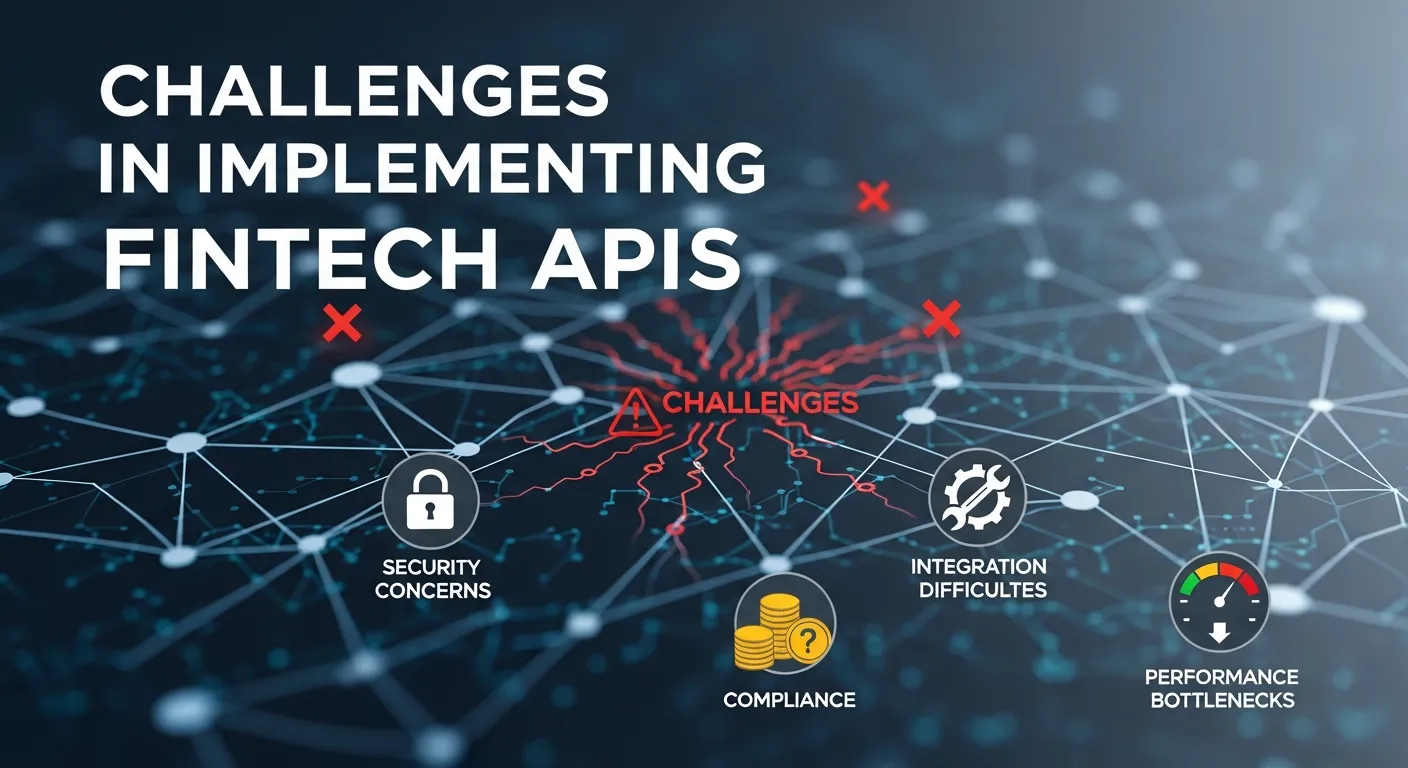
Despite the benefits, companies must address certain challenges.
1. Data Security Risks
Financial data must be protected with strong encryption, secure authentication, and continuous monitoring.
2. Integration Complexity
Connecting multiple APIs may create interdependencies that require constant maintenance.
3. Regulatory Barriers
Businesses must ensure compliance with local and global financial regulations.
4. Vendor Lock-in
Heavily relying on third-party providers can introduce risk if services change or become unavailable.
Proper planning, vendor evaluation, and robust architecture can mitigate these challenges.
Case Studies: Fintech APIs in Action
1. Neobanks (Revolut, N26, Chime)
These digital banks rely on APIs for:
-
Instant onboarding
-
Real-time transactions
-
Budgeting tools
-
Currency exchange
Without APIs, their rapid growth would not be possible.
2. Payment Platforms (Stripe, PayPal)
They use a wide network of APIs to support:
-
Global card payments
-
Digital wallets
-
Fraud detection
-
Currency conversion
3. Lending Startups (Kabbage, SoFi)
Using APIs for:
-
Identity verification
-
Credit scoring
-
Loan disbursement
They onboard borrowers quickly and scale lending operations efficiently.
Best Practices for Using Fintech APIs
Implementing fintech APIs is not just about integrating a few endpoints—it requires strategic planning, strong security practices, and continuous monitoring. Businesses that follow best practices ensure higher uptime, seamless performance, and long-term scalability. Below are the essential best practices for successfully leveraging fintech APIs.
1. Choose Reliable API Providers with High Uptime
Not all fintech API providers offer the same level of stability, support, or performance. Choosing a reliable vendor is crucial because an unstable financial API can disrupt critical operations such as payments, onboarding, or account verification.
When evaluating providers, consider:
-
99.9%+ uptime guarantees
-
Redundant infrastructure to prevent downtime
-
Detailed documentation, SDKs, and developer tools
-
Clear SLAs (Service Level Agreements)
-
Proven track record among fintech companies
-
Global availability and low-latency servers
Popular, reliable providers include Stripe, Plaid, TrueLayer, Currencycloud, Visa Developer, and Mastercard Developers. A dependable API partner reduces integration headaches and ensures your product remains operational even during high-traffic periods.
2. Prioritize Security (OAuth2, Encryption, Tokenization)
Security is one of the most critical considerations when working with financial APIs. Since fintech applications handle sensitive data—such as personal information, card details, and bank accounts—robust security measures are essential.
Key security practices include:
-
OAuth2 and OpenID Connect for secure user authentication
-
TLS/SSL encryption to protect data in transit
-
Tokenization to replace sensitive data with secure tokens
-
HMAC signatures to prevent request tampering
-
Role-based access controls (RBAC)
-
Regular penetration testing and vulnerability scans
-
Compliance certifications such as PCI DSS, SOC 2, ISO 27001
Ensuring security at both the API provider level and your internal systems helps maintain user trust and prevents financial fraud.
3. Build a Modular Architecture
A modular architecture allows your engineering team to integrate or replace fintech APIs without rebuilding your entire system. This flexibility is essential in a fast-changing digital landscape where API providers evolve, pricing changes, and new compliance rules emerge.
Benefits of modular design:
- Easier to upgrade services without breaking core functionality
- Swap one API provider for another (e.g., Stripe → Adyen) with minimal code changes
- Scale services independently
- Faster development cycles and cleaner code structure
- Avoid vendor lock-in
Using architectural patterns like microservices, API gateways, and event-driven systems ensures that your fintech solution remains adaptable and future-proof.
4. Monitor API Performance and Usage
Once APIs are integrated, continuous monitoring is essential to maintain smooth operations. Financial applications must handle real-time data, transactions, and compliance processes—making uptime and speed non-negotiable.
Important metrics to monitor:
-
Latency and response times
-
API error rates (4xx and 5xx responses)
-
Throughput and request volume
-
Timeouts and throttling events
-
Changes in API behavior or version updates
-
Fraud activity and suspicious transactions
Tools like Datadog, New Relic, Postman Monitoring, and Prometheus can automate monitoring and alert teams when an issue arises. Early detection of performance issues prevents customer dissatisfaction and operational disruptions.
5. Stay Updated with Global Regulations
The fintech industry is heavily regulated. Compliance requirements vary across countries and evolve frequently, making it essential for businesses to stay informed and compliant.
Regulations that fintech companies commonly encounter:
-
PSD2 (Europe) – open banking and strong customer authentication
-
GDPR – data privacy and security
-
CCPA – consumer data rights
-
KYC/AML – identity verification and anti-money laundering
-
PCI DSS – card transaction security
-
MAS regulations (Singapore)
-
FCA guidelines (UK)
Fintech APIs often come with built-in compliance tools, but businesses must also maintain internal processes. Regular compliance reviews, audits, and updates protect the company from legal risks and ensure smooth scaling into new markets.
6. Have Fallback Strategies for API Outages
Even the most reliable fintech API providers can experience outages, rate limits, or temporary disruptions. Preparing fallback strategies ensures your product continues functioning seamlessly, even when one service fails.
Recommended fallback strategies:
- Redundant API providers (e.g., if Stripe fails, route to Adyen)
- Graceful degradation (temporarily limiting features)
- Local caching of non-sensitive data
- Retry logic with exponential backoff
- Failover servers and multi-region architecture
- Webhooks and queuing systems to handle delayed responses
A strong fallback strategy ensures:
-
Zero downtime for core services
-
Minimal disruptions during peak traffic
-
Reliable user experience
Financial services must be resilient, and fallback mechanisms are essential for maintaining trust and reliability.
Summary of Best Practices
To fully leverage fintech APIs, companies must:
-
Choose stable providers with proven performance
-
Maintain strong security and encryption protocols
-
Build modular, flexible architecture
-
Continuously monitor API health
-
Stay compliant with global financial regulations
-
Implement fallback and failover mechanisms
By following these best practices, businesses can develop scalable, secure, and high-performing financial products that meet customer needs while staying ahead of the competition.
The Future of Fintech APIs
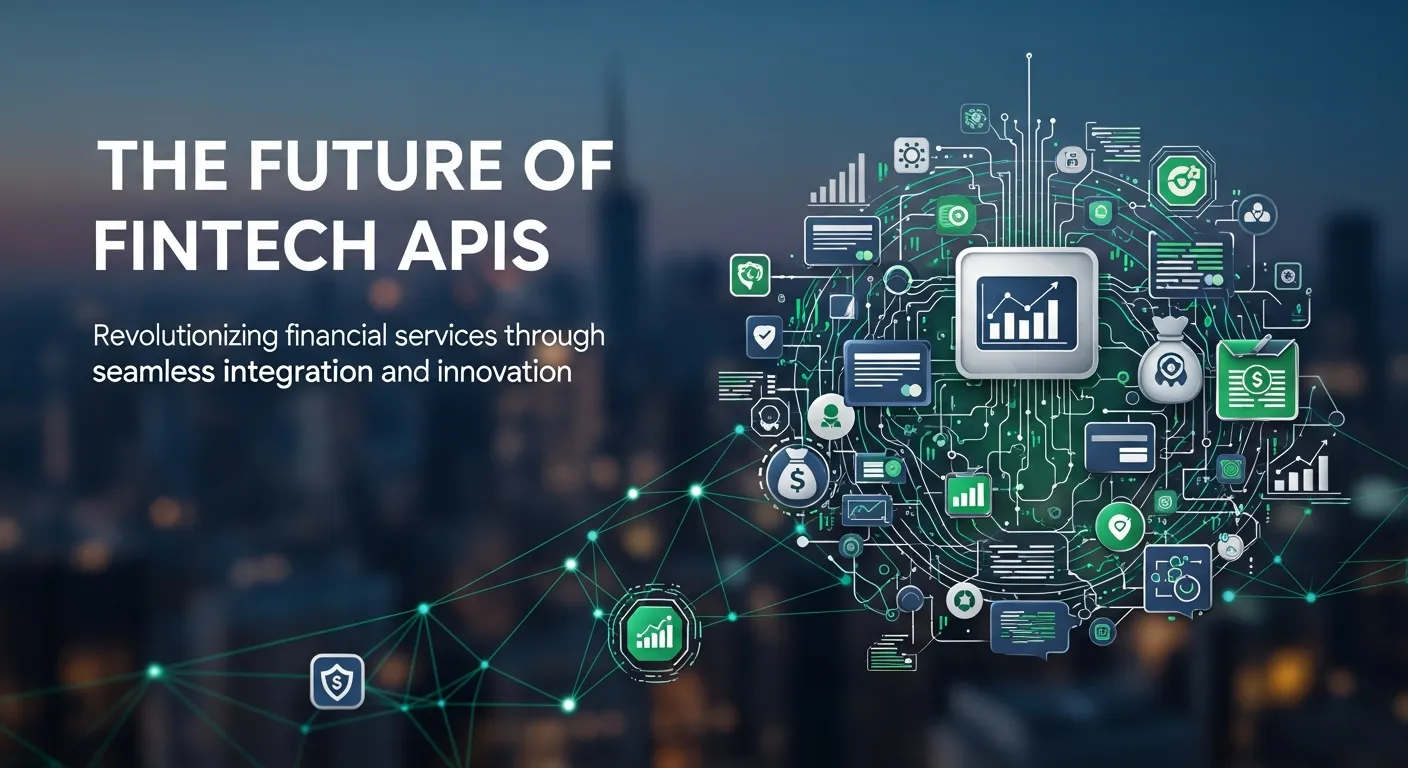
Fintech APIs will continue shaping financial innovation. Key trends include:
1. AI-Powered Financial APIs
For fraud detection, risk analysis, and personalized financial insights.
2. Embedded Finance Expansion
E-commerce, logistics, travel, and SaaS platforms will integrate banking services directly.
3. Blockchain and Crypto APIs
Supporting tokenized assets, stablecoins, and decentralized finance (DeFi).
4. Open Banking Growth
More collaboration between banks and fintech companies.
Businesses leveraging APIs strategically will stay ahead, launch faster, and scale smarter.
Conclusion
Fintech APIs are transforming the modern financial industry by enabling faster product launches, scalable digital growth, and personalized customer experiences. With ready-to-use modules, seamless integration, and built-in regulatory compliance, fintech APIs empower startups, neobanks, digital banks, and traditional institutions to innovate confidently.
By adopting API-driven infrastructure, companies can reduce time-to-market, improve operational efficiency, and unlock new revenue streams—from embedded finance and digital payments to automated KYC/AML and real-time data connectivity. Organizations that invest in fintech APIs today will lead the next generation of digital-first financial services in a rapidly evolving global ecosystem.
FAQ
1. What are fintech APIs?
Fintech APIs are software interfaces that allow financial services to integrate with applications, enabling payments, banking, lending, investments, insurance, and other digital financial functionalities.
2. How do fintech APIs accelerate product launches?
They provide pre-built financial modules, reduce development complexity, simplify compliance, and allow businesses to launch financial products in weeks instead of months.
3. Are fintech APIs secure?
Yes. Trusted fintech API providers follow industry-grade security standards such as encryption, tokenization, OAuth2, PCI DSS, GDPR, PSD2, and AML/KYC compliance.
4. Can fintech APIs support global operations?
Yes. Many fintech APIs enable cross-border payments, multi-currency transactions, international KYC verification, and compliance with global regulations.
5. What types of fintech APIs are available?
Common types include payment APIs, banking APIs, lending APIs, investment and trading APIs, insurance APIs, and fraud detection or compliance APIs.
6. Who uses fintech APIs?
Fintech APIs are used by startups, neobanks, traditional banks, SaaS platforms, e-commerce companies, marketplaces, and enterprises offering embedded finance solutions.
7. Do businesses need a banking license to use fintech APIs?
Not always. Many fintech APIs operate through licensed banking partners, allowing businesses to offer financial services without holding a full banking license.
8. How do fintech APIs help with regulatory compliance?
Fintech APIs often include built-in KYC, AML, transaction monitoring, and reporting tools that help businesses meet regulatory requirements efficiently.
9. What are the main challenges of using fintech APIs?
Key challenges include data security risks, integration complexity, vendor dependency, regulatory compliance, and managing multiple API providers.
10. What is the future of fintech APIs?
The future includes AI-powered financial APIs, wider adoption of embedded finance, growth of open banking, blockchain-based APIs, and deeper integration across digital platforms.





AI Credit Scoring: Revolutionizing SME Banking and Digital Loans
What Is Digital Financial Literacy?
The Importance of Insurance Services in Financial Planning
What Is Financial Technology (FinTech)? Everything You Need to Know
How Reliable Loan Services Support Long-Term Financial Planning
The Importance of Insurance Services in Financial Planning
How Tax Planning Helps Individuals and Businesses Save Money
How to Create a Retirement Planning Strategy That Works