

Future of digital lending trends highlight the growing role of AI, automation, and fintech solutions in modern banking. Digital lending platforms improve speed, accuracy, and customer experience while reducing costs and risk. As customer demand for seamless digital services grows, banks must adopt digital-first lending strategies to stay competitive
The banking industry stands at a pivotal moment. Traditional lending processes that once took weeks now compete with digital platforms offering instant approvals. Customer expectations have shifted dramatically, with borrowers demanding the same seamless experience they receive from their favorite apps and online services.
This transformation isn’t just about convenience—it represents a fundamental reimagining of how financial institutions operate. Banks that fail to adapt risk losing market share to agile fintech competitors who understand the digital-first mindset of modern consumers.
The future of digital lending isn’t approaching; it’s already here. Forward-thinking banks are leveraging advanced technologies to streamline operations, enhance customer experiences, and unlock new revenue opportunities. Those still relying on paper-heavy processes and manual underwriting find themselves increasingly disadvantaged.
This comprehensive guide explores the critical digital lending trends reshaping the banking landscape. You’ll discover actionable insights about emerging technologies, evolving customer expectations, and strategic approaches that will determine which institutions thrive in the digital economy.
What are Digital Lending Platforms?

Digital lending platforms are online systems that allow banks and financial institutions to offer loans fully online. They manage the entire lending process, from loan application and credit assessment to approval and fund disbursement. This removes the need for manual paperwork and speeds up lending decisions.
These platforms use automation, data analytics, and AI-driven underwriting to assess borrower eligibility more accurately. By analyzing financial data and customer behavior, digital lending software helps reduce risk and improve loan approval accuracy.
Customers can apply for loans anytime using a mobile phone or computer. This creates a smooth and convenient borrowing experience. For banks, digital lending solutions lower operational costs, improve efficiency, and support faster time-to-market.
Modern digital lending platforms also include built-in compliance tools, fraud detection, and data security features. This helps financial institutions meet regulatory requirements while protecting customer data. In a competitive digital banking landscape, adopting digital lending technology is essential for delivering better customer experiences and staying ahead of fintech competitors.
The Current State of Digital Lending
Digital lending has evolved from a niche fintech offering to a mainstream banking necessity. According to recent industry data, online lending platforms processed over $350 billion in loans globally last year, representing a 25% increase from the previous year.
Traditional banks initially dismissed digital lending as a threat to smaller market segments. However, the rapid adoption across all demographics has forced a reassessment. Millennials and Gen Z consumers expect instant gratification, while even older generations appreciate the convenience of applying for loans from their smartphones.
The COVID-19 pandemic accelerated this digital transformation by years rather than months. Physical branch closures pushed both banks and customers toward online solutions, creating a permanent shift in lending behavior. Banks that had already invested in digital infrastructure gained significant competitive advantages during this period.
Customer acquisition costs through digital channels prove consistently lower than traditional methods. Online applications eliminate much of the overhead associated with physical branches while providing banks with rich data about customer preferences and behaviors.
Artificial Intelligence Revolutionizing Lending Decisions
AI in banking has moved beyond experimental phases into practical applications that directly impact profitability. Machine learning algorithms now analyze thousands of data points to assess creditworthiness more accurately than traditional credit scores alone.
Predictive analytics help banks identify potential defaults before they occur, enabling proactive intervention strategies. These systems continuously learn from new data, improving their accuracy over time and reducing false positives that previously led to qualified applicants being rejected.
Natural language processing tools analyze alternative data sources like social media activity, online behavior, and transaction patterns to build comprehensive borrower profiles. This approach enables lending to previously underserved populations who lack extensive credit histories but demonstrate financial responsibility through other indicators.
Automated decision-making systems process loan applications in minutes rather than days. Simple applications for pre-qualified amounts receive instant approvals, while complex cases get flagged for human review with detailed AI-generated risk assessments.
The integration of AI-powered chatbots throughout the application process provides immediate customer support and guidance. These systems handle routine inquiries, collect necessary documentation, and escalate complex issues to human agents when appropriate.
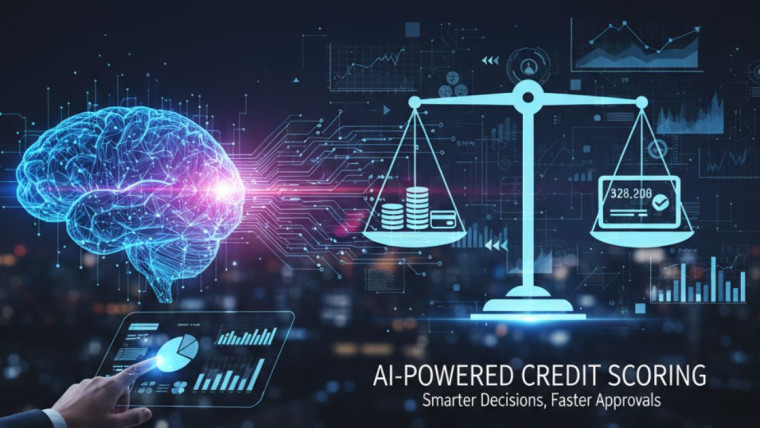
AI-Driven Credit Scoring in the Future of Digital Lending Trends

One of the most important Future of Digital Lending Trends is the evolution of AI-driven credit scoring models. Traditional credit scoring relies heavily on limited financial history, but modern AI systems evaluate a broader range of data points to assess borrower risk more accurately.
AI-based credit assessment improves inclusion while reducing default risks. It enables lenders to make faster and fairer decisions using real-time insights.
Key developments include:
-
Use of alternative data such as transaction behavior and cash flow patterns
-
Real-time risk assessment powered by machine learning
-
Reduced dependency on traditional credit scores
-
Improved lending access for underbanked customers
This shift makes digital lending more inclusive, accurate, and scalable.
Enhanced Customer Experience Through Digital Innovation
Customer experience in digital lending has become a primary differentiator between successful and struggling institutions. Banks must design lending journeys that feel intuitive and reassuring while maintaining necessary security measures.
Mobile-first design principles now drive platform development. Loan applications optimized for smartphones feature simplified forms, document upload capabilities, and real-time status updates. Customers can complete entire lending processes without ever touching a computer.
Personalization engines deliver customized loan offers based on individual financial profiles and historical behavior. Rather than presenting generic product catalogs, successful platforms show relevant options with terms tailored to specific customer situations.
Digital identity verification streamlines the onboarding process while maintaining compliance standards. Biometric authentication, government ID scanning, and real-time verification databases reduce friction while preventing fraud.
Progress transparency throughout the lending process significantly improves customer satisfaction. Clear timelines, milestone notifications, and proactive communication about any delays help manage expectations and reduce anxiety associated with loan applications.
Hyper-Personalization as a Core Digital Lending Trend
Hyper-personalization is becoming a defining element of Future of Digital Lending Trends. Customers now expect loan products that align with their financial behavior, goals, and preferences rather than generic offers.
Advanced analytics and AI enable lenders to tailor loan terms and experiences at an individual level, improving satisfaction and conversion rates.
Personalization trends include:
- Customized loan offers based on user profiles
- Dynamic interest rates and repayment options
- Personalized communication throughout the loan journey
- AI-driven product recommendations
Personalized digital lending experiences increase customer loyalty and long-term engagement.
Fintech Solutions Driving Innovation
Fintech solutions continue pushing traditional banks toward more innovative approaches to lending. These technology companies bring fresh perspectives unburdened by legacy systems and regulatory traditions.
API-first architectures enable rapid integration of new services and features. Banks can now incorporate advanced analytics tools, alternative data sources, and specialized lending platforms without rebuilding their entire infrastructure.
Blockchain technology offers potential solutions for loan documentation, smart contracts, and cross-border lending scenarios. While still emerging, early implementations demonstrate promising results for transparency and efficiency improvements.
Open banking initiatives create opportunities for collaboration between traditional institutions and fintech innovators. Rather than viewing these companies as competitors, smart banks partner with specialized providers to enhance their digital capabilities.
Cloud-based lending platforms provide scalability and flexibility that on-premises systems cannot match. Banks can rapidly deploy new features, handle traffic spikes, and access global infrastructure without massive capital investments.
Dig Deeper: How Digital Finance and FinTech Improve Financial Inclusion
Regulatory Compliance in Digital Environments
Banking technology innovation must navigate complex regulatory landscapes that vary by jurisdiction and loan type. Successful digital lending platforms build compliance into their core architecture rather than treating it as an afterthought.
Automated compliance monitoring systems track regulatory changes and adjust lending criteria accordingly. These tools help banks maintain consistent adherence to fair lending practices, data protection requirements, and risk management standards.
Digital audit trails provide comprehensive documentation of lending decisions and customer interactions. Regulators increasingly expect banks to demonstrate that AI-driven decisions don’t create discriminatory outcomes or violate consumer protection laws.
Data governance frameworks ensure customer information receives appropriate protection throughout the lending lifecycle. Privacy regulations like GDPR and CCPA require careful handling of personal data, especially when using alternative data sources for underwriting decisions.
Real-time reporting capabilities help banks respond quickly to regulatory inquiries and demonstrate ongoing compliance. Digital systems can generate detailed reports about lending patterns, risk assessments, and customer outcomes that would be impossible with manual processes.
RegTech Innovation Shaping the Future of Digital Lending Trends
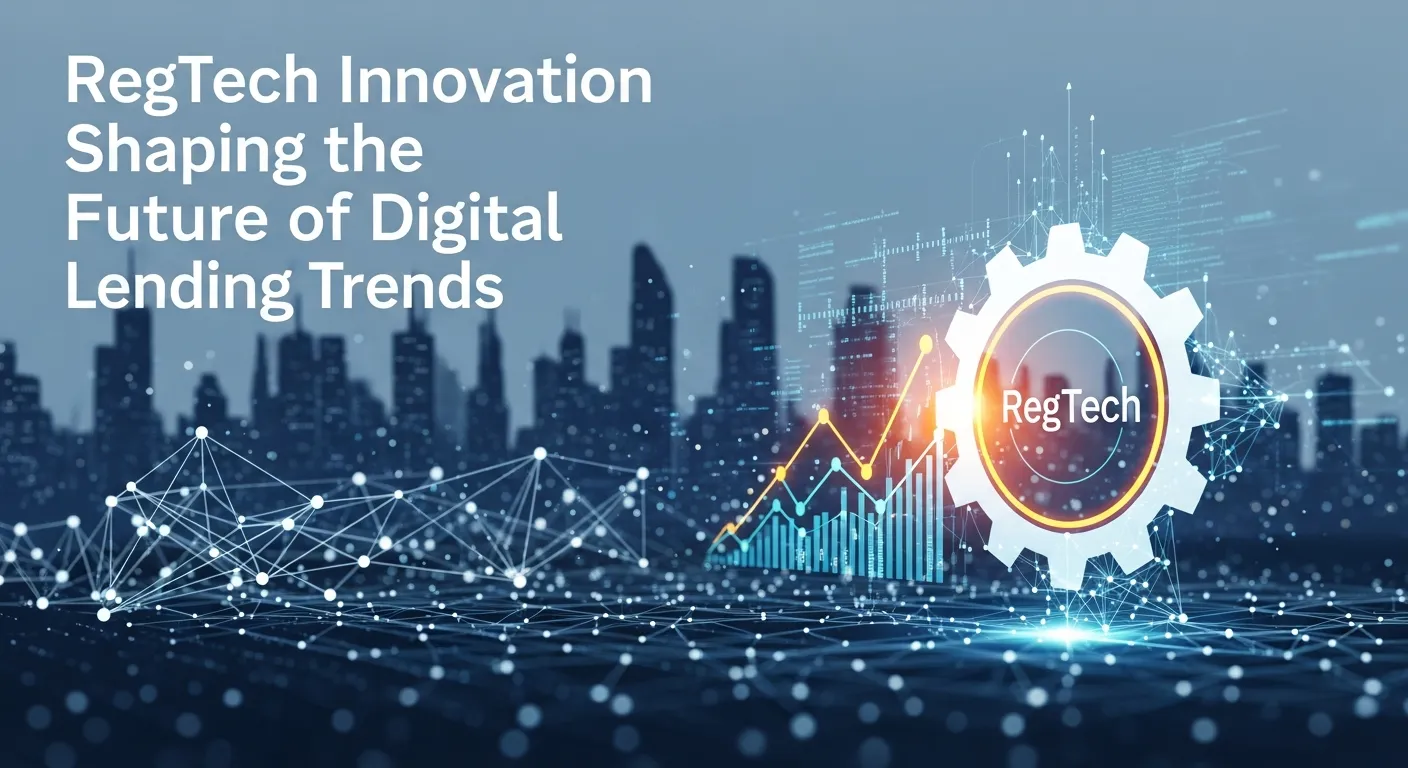
Regulatory technology, or RegTech, is playing a critical role in the Future of Digital Lending Trends. As compliance requirements grow more complex, digital lenders are adopting automated compliance solutions to reduce risk and operational burden.
RegTech tools help banks stay compliant while maintaining speed and efficiency in lending operations.
Key RegTech capabilities include:
-
Automated KYC and AML verification
-
Real-time regulatory monitoring and reporting
-
Built-in audit trails for digital lending decisions
-
Reduced compliance costs and errors
RegTech ensures that digital lending growth remains sustainable and legally sound.
Online Lending Platforms and Market Evolution
Online lending platforms have fundamentally altered competitive dynamics in the financial services industry. Banks must understand these changes to develop effective response strategies.
Platform ecosystems integrate multiple financial services beyond basic lending. Successful platforms offer checking accounts, investment products, insurance options, and financial planning tools that create comprehensive customer relationships.
Marketplace lending models connect borrowers directly with multiple potential lenders, increasing competition and reducing margins. Banks must differentiate themselves through superior customer service, specialized expertise, or unique product offerings.
Embedded finance solutions integrate lending capabilities into non-financial platforms and applications. Banks can partner with e-commerce sites, software providers, and other businesses to offer credit at the point of need.
Data network effects create competitive advantages for platforms with large customer bases. More users generate more data, which improves underwriting accuracy and enables better product development, creating a self-reinforcing cycle of improvement.
Security and Risk Management Innovations
Digital lending platforms face sophisticated security threats that require advanced protection measures. Banks must balance security requirements with user experience expectations to create trustworthy systems.
Multi-factor authentication protocols verify customer identities without creating excessive friction. Biometric authentication, device fingerprinting, and behavioral analysis help prevent unauthorized access while maintaining convenience.
Real-time fraud detection systems monitor transactions and application patterns to identify suspicious activity immediately. Machine learning algorithms learn from historical fraud patterns to recognize new threats as they emerge.
Cybersecurity frameworks protect against data breaches, system compromises, and other digital threats. Banks must invest in robust security infrastructure and maintain constant vigilance against evolving attack vectors.
Risk assessment models incorporate cybersecurity factors alongside traditional credit risk considerations. Digital lending platforms must evaluate the security implications of new technologies and integration points.
Preparing Your Institution for the Future
Digital banking future success requires strategic planning and systematic transformation rather than piecemeal technology adoption. Banks must develop comprehensive roadmaps that address technology, processes, and organizational culture.
Staff training programs ensure employees understand new technologies and customer service approaches. Digital transformation succeeds only when human team members can effectively support and enhance automated systems.
Infrastructure modernization projects replace legacy systems with flexible, scalable platforms capable of supporting future innovations. Banks should prioritize interoperability and API connectivity when making technology investments.
Partnership strategies help banks access specialized expertise and accelerate digital transformation timelines. Collaboration with fintech companies, technology vendors, and consulting firms can supplement internal capabilities.
Customer feedback loops provide ongoing insights about digital lending experience quality and improvement opportunities. Banks must actively solicit and respond to customer input to maintain competitive positioning.
Embracing the Digital Lending Revolution

The future of digital lending depends on how well banks adapt to change. Customers now expect fast, simple, and secure loan services. Banks that adopt digital transformation in banking can grow faster and serve customers better.
Using digital lending platforms helps banks improve speed and accuracy. These platforms reduce manual work and lower operational costs. They also improve the overall customer experience in digital banking.
Success requires more than adopting new tools. Banks must follow a digital-first lending approach. This includes updating internal processes, training staff, and improving online customer journeys. Modern fintech solutions play a key role by supporting automation and smarter lending decisions.
Banks should review their existing online lending systems and identify gaps. Focus on loan approval speed, risk assessment, compliance, and user experience. A clear digital lending strategy helps align technology, people, and operations.
The digital lending revolution offers long-term growth opportunities. Banks that invest in secure, scalable, and customer-focused digital banking solutions will be better prepared to compete and succeed in the evolving financial landscape.
Conclusion
The future of digital lending trends shows a clear shift toward faster, smarter, and more customer-centric banking. Technologies like AI, automation, and cloud-based platforms are redefining how loans are approved, managed, and delivered. Banks that embrace digital lending innovation today will be better positioned to compete, scale, and meet evolving customer expectations in the years ahead.
FAQs: Future of Digital Lending Trends
1. What are future digital lending trends?
Future digital lending trends include AI-driven underwriting, automation, personalized loan offers, and cloud-based lending platforms.
2. How is AI shaping the future of digital lending?
AI improves credit assessment, speeds up loan approvals, enhances fraud detection, and supports smarter lending decisions.
3. Why is digital lending important for banks?
Digital lending helps banks reduce costs, improve efficiency, and meet modern customer expectations for fast and easy loan services.
4. What role do fintech companies play in digital lending?
Fintech companies drive innovation by offering advanced technologies, APIs, and customer-focused digital lending solutions.
5. How does automation impact digital lending?
Automation reduces manual processes, speeds up approvals, and minimizes errors across the lending lifecycle.
6. Are digital lending platforms secure?
Yes, modern digital lending platforms use encryption, fraud detection, and cybersecurity frameworks to protect data.
7. How does digital lending improve customer experience?
It offers faster approvals, online applications, real-time updates, and personalized loan options.
8. What is the role of cloud technology in digital lending?
Cloud technology enables scalability, flexibility, and faster deployment of digital lending solutions.
9. How does digital lending support financial inclusion?
AI and alternative data allow lenders to assess borrowers with limited credit history more fairly.
10. What challenges exist in digital lending?
Challenges include data privacy, regulatory compliance, cybersecurity risks, and legacy system integration.
11. Will digital lending replace traditional banking?
Digital lending will not replace banks but will transform how traditional banks deliver loan services.
12. How should banks prepare for future digital lending trends?
Banks should invest in technology, train staff, modernize systems, and adopt a digital-first lending strategy.





How Tax Planning Helps Individuals and Businesses Save Money
What Is Financial Technology (FinTech)? Everything You Need to Know
How to Create a Retirement Planning Strategy That Works
How Digital Asset Management Improves Business Efficiency
How Tax Planning Helps Individuals and Businesses Save Money
How to Create a Retirement Planning Strategy That Works
How Digital Asset Management Improves Business Efficiency
The Importance of Risk Management in Modern Business