
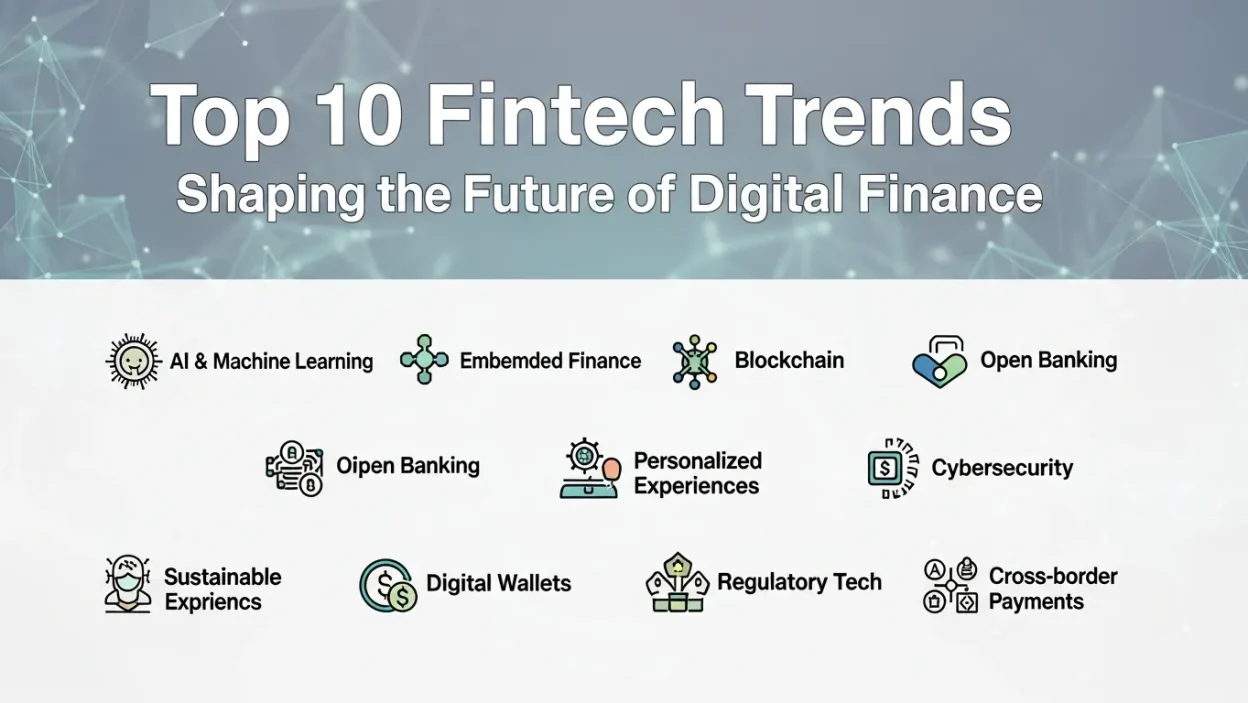
Fintech Trends are transforming how people save, spend, invest, and manage money through AI, digital banking, mobile payments, blockchain, and advanced security technologies. These trends make financial services faster, safer, more accessible, and user-friendly, shaping the future of digital finance for individuals and businesses worldwide.
Money and technology are coming together faster than ever. This is creating a new wave of digital finance that is easier, smarter, and more accessible for everyone. From AI in banking to digital payments, mobile banking apps, and blockchain-based services, fintech is changing how people save, spend, and manage their money in everyday life.
Today, financial tools are becoming more simple and user-friendly. You can track your spending, make instant payments, or get budgeting tips directly from your phone. These modern banking solutions give people more control and better understanding of their finances. Even beginners can learn to manage money confidently with personal finance apps and smart payment technology.
What is Fintech?
Fintech, short for financial technology, refers to the digital tools and innovations that make managing money faster, easier, and more accessible. It includes everything from online banking, mobile payments, and Digital Finance Revolutionizing Risk Management , automated investing, and blockchain-based services.
At its core, fintech uses technology to improve how people save, spend, borrow, and invest. Whether it’s sending money instantly, applying for a loan online, or tracking expenses through apps, fintech is reshaping the entire financial system.
In simple terms, fintech brings together technology and finance to create smarter, more convenient, and more user-friendly financial solutions for individuals and businesses alike.
Key Fintech Trends Shaping the Future of Digital Finance
1. AI-Driven Personal Financial Assistants
Artificial intelligence is becoming smarter every day, and it will be one of the biggest drivers of fintech innovation. AI-powered personal finance assistants will help people make better money decisions by analyzing behavior and providing personalized insights. These digital helpers will:
-
Track your daily spending patterns
-
Recommend smarter saving strategies
-
Alert you instantly about suspicious transactions
-
Create realistic and adaptive budgets
-
Offer personalized financial advice based on real-time data
Think of an AI assistant as a super-smart friend who understands money better than anyone—always available, always learning, and always giving you guidance that fits your lifestyle. With AI in banking, everyday money management becomes effortless.
2. Buy Now, Pay Later (BNPL) Becomes More Sophisticated
Buy Now, Pay Later has skyrocketed in popularity thanks to pioneers like Klarna and Afterpay. But in this digital era, BNPL services will evolve into smarter, safer, and more responsible digital lending systems. This next generation of installment-based finance will include:
-
Smarter, AI-powered credit checks to prevent overspending
-
More flexible repayment plans tailored to different budgets
-
Stronger partnerships with global eCommerce platforms for wider availability
-
Built-in budgeting tools that clearly display upcoming installment commitments
-
Transparent, fee-free installment options with no hidden charges
With improved consumer protection, better regulations, and more user-friendly interfaces, BNPL will become a trusted alternative payment method. Day by day, more people will shift away from traditional credit cards and embrace these flexible payment solutions for everyday shopping.
3. Digital Banking Becomes the Default Choice
Traditional banks with physical branches are losing ground as digital-only banks become the new standard. These modern banks offer seamless online banking experiences with benefits such as:
-
Zero monthly or hidden fees
-
Higher interest rates on savings
-
24/7 AI chat support
-
Instant money transfers
-
Quick, paperless account creation
-
Better budgeting and financial tracking tools
Most Gen Z and young millennials will choose neo-banks as their primary financial institution. Convenience, transparency, and mobile-first features are making digital banking the norm.
4. Cryptocurrency Becomes Truly Practical
Cryptocurrencies like Bitcoin are shifting from investment assets to practical payment tools. In this modern day, the everyday use of crypto will become more common thanks to:
-
More stores accepting crypto payments
-
Easier buying, selling, and converting options
-
Stronger security measures
-
Government regulations that reduce risk
-
Simple educational resources for new users
Crypto payments will feel less like “investing” and more like using any other digital payment method—fast, secure, and widely accepted.
5. Finance Becomes Embedded Everywhere
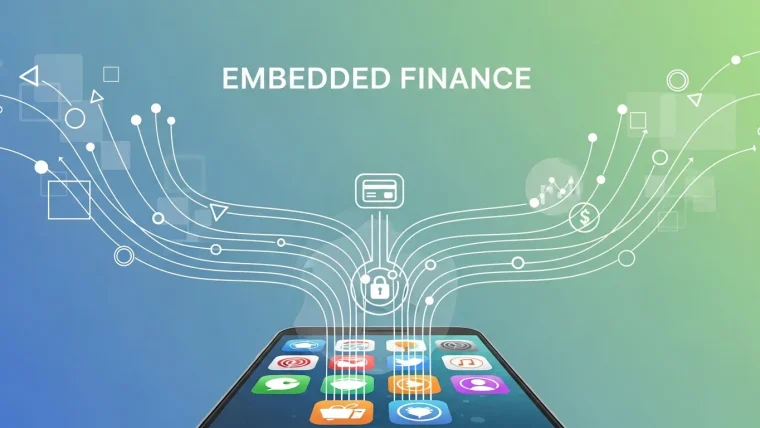
Embedded finance allows financial services to blend directly into everyday apps, even when those platforms aren’t traditional financial institutions. This powerful trend is redefining convenience and creating a more seamless digital ecosystem. Examples include:
-
Ordering food and instantly receiving micro-loan or flexible payment offers
-
Using Buy now, pay later (BNPL) options directly at checkout without switching apps
-
Sending money to friends through social media platforms
-
Earning rewards, cashback, or in-game currency while gaming
-
Accessing insurance, lending, or digital payments inside ride-sharing apps
Fintech integration will make financial automation so smooth that many transactions will take place in the background, without users having to do anything manually. Embedded finance will turn everyday digital experiences into effortless, friction-free interactions—transforming how we pay, borrow, save, and manage money.
6. Super Apps Rise Globally
7. Voice-Activated Banking Goes Mainstream
Voice technology is transforming how people interact with their finances. With smart speakers and voice assistants everywhere, banking will soon be hands-free. Users will ask:
-
“Hey Google, what’s my balance?”
-
“Alexa, pay my internet bill.”
-
“Siri, send $20 to my brother.”
Voice banking will make simple transactions even easier, supported by strong authentication for secure voice-enabled financial services.
8. Sustainable & Eco-Friendly Finance Options
9. Modern Financial Education Tools
Many people still struggle with basic financial skills, but fintech companies are transforming learning through interactive, digital-first education tools. In this digital age, financial literacy becomes more engaging and effective with innovations such as:
-
Gamified budgeting apps that turn saving money into a fun challenge
-
Short, bite-sized video lessons explaining money management, investing, and smart spending
-
Interactive quizzes that teach concepts like credit scores, saving strategies, and financial planning
-
Stock market simulation apps that let users practice trading without risk
-
AI-powered learning paths that personalize lessons based on each user’s weaknesses and goals
These modern tools eliminate confusion and fear around money. They make financial education, money management, and investment basics more approachable, helping people of all ages build real financial confidence.
10. Next-Level Security & Fraud Protection
As digital payments grow, the need for strong fraud protection becomes more important than ever. In digifin era, fintech security will reach new heights with innovations like:
-
Biometric authentication (face, fingerprint, voice ID)
-
AI-powered fraud detection
-
Real-time transaction monitoring
-
Highly secure digital wallets
-
Multi-layer encryption
These advancements will make digital transactions safer than traditional banking, giving users greater trust in online finance.
Why Fintech Trends Matter?

Fintech trends play a powerful role in shaping the future of money. As financial technology evolves, it changes not only how businesses operate but also how individuals manage everyday financial tasks. These trends are driving a massive digital transformation in banking, payments, loans, investing, and personal finance—making money management more convenient, intelligent, and user-friendly than ever before.
Today’s innovations in digital finance and modern banking offer many benefits that directly impact consumers:
-
More accessible financial services
Fintech helps break down barriers by allowing people—regardless of location, age, or income—to access banking, payments, and financial tools. This boosts financial inclusion worldwide. -
Easier to understand and use
User-friendly apps, visual dashboards, and AI-powered insights make financial tasks less intimidating. Even beginners can understand budgeting, investing, or credit scores with simplified, interactive tools. -
Available 24/7 from anywhere
With mobile banking, digital wallets, and online payment systems, you no longer need to wait for bank hours. You can send money, check balances, or apply for loans anytime, anywhere. -
Personalized to your needs
Through AI in finance and data-driven recommendations, fintech platforms deliver customized tips, spending insights, investment plans, and financial automation tailored to your unique lifestyle. -
Safer and more secure
Modern fintech uses biometric verification, encryption, fraud detection systems, and secure digital wallets to keep your data and money protected. Security continues to improve as threats evolve.
Fintech trends matter because they empower people to take full control of their finances. Instead of relying solely on traditional banks or outdated systems, users now have access to smarter tools that guide them toward better decisions.
Understanding these trends now will help you:
-
Choose the right financial apps and services
-
Use digital tools that increase your savings and financial health
-
Avoid fraud and unsafe platforms
-
Stay prepared for future financial changes
-
Confidently navigate an economy that is becoming more digital every year
As fintech adoption continues to grow, those who stay informed will be in the best position to benefit from emerging opportunities and make financially sound decisions in the years ahead.
Getting Ready for the Future

Conclution
Fintech innovations are transforming the financial world, making money management more democratic, accessible, and user-friendly than ever before. These 10 major trends reveal how we will save, spend, invest, and interact with money in the coming years—and they highlight the exciting direction the future of digital finance is heading.
As technology continues to evolve, the most important skill you can develop is the ability to stay informed and open to new possibilities. Keeping up with fintech innovation, understanding new tools, and recognizing how these changes affect your financial life will help you make smarter decisions and avoid unnecessary risks.
But remember—technology is just a tool. The real power lies in how you use it. Strong financial habits, smart spending choices, consistent saving, and responsible digital behavior will always matter more than any app or platform. When you combine good habits with the right technological tools, you put yourself in the best position to thrive.
By exploring these trends now, you’re preparing yourself for a more confident, efficient, and empowered financial future. The world of modern banking and digital finance is full of opportunities—your journey starts today.
FAQs – Fintech Trends
1. What are fintech trends?
Fintech trends are new technologies and innovations that improve financial services such as banking, payments, investing, and money management.
2. Why are fintech trends important?
Fintech trends increase convenience, security, and accessibility, helping people manage money more efficiently in a digital economy.
3. How do fintech trends impact everyday life?
They enable instant payments, mobile banking, budgeting apps, digital wallets, and smarter financial decision-making.
4. What role does AI play in fintech trends?
AI helps with personalized financial advice, fraud detection, spending analysis, and automated budgeting.
5. Are digital banks part of fintech trends?
Yes. Digital banks are a major fintech trend, offering online-only services with lower fees and better user experience.
6. How do fintech trends improve financial inclusion?
They provide access to banking and financial tools for people who were previously underserved or unbanked.
7. Is Buy Now, Pay Later (BNPL) a fintech trend?
Yes. BNPL is a fast-growing fintech trend that offers flexible and interest-free installment payment options.
8. How is cryptocurrency connected to fintech trends?
Cryptocurrency is becoming part of everyday fintech trends by enabling faster, decentralized, and borderless payments.
9. What is embedded finance in fintech trends?
Embedded finance integrates payments, lending, or insurance directly into non-financial apps and platforms.
10. Are fintech trends secure?
Yes. Modern fintech trends use biometrics, encryption, AI fraud detection, and real-time monitoring to enhance security.
11. How do fintech trends support financial education?
They offer gamified apps, AI learning tools, and interactive content to improve financial literacy.
12. How can people benefit from fintech trends?
By using smart financial apps, staying informed, and adopting digital tools to save money, reduce risk, and improve financial health.


Embedded Finance and the Future of Seamless Digital Financial Services
How AI-Based Fraud Detection is Protecting Digital Payments
Harnessing AI and Machine Learning for Fraud Detection in Digital Finance
Digital Marketing for Financial Services: Strategies That Deliver Results
Digital Twin Technology in Finance: How Virtual Models Are Transforming Risk Management
The Future of Personal Finance: Autonomous Finance and AI Money Management
AI Credit Scoring: Revolutionizing SME Banking and Digital Loans
AI Fraud Detection: How Banks Prevent Financial Crime in Real Time