
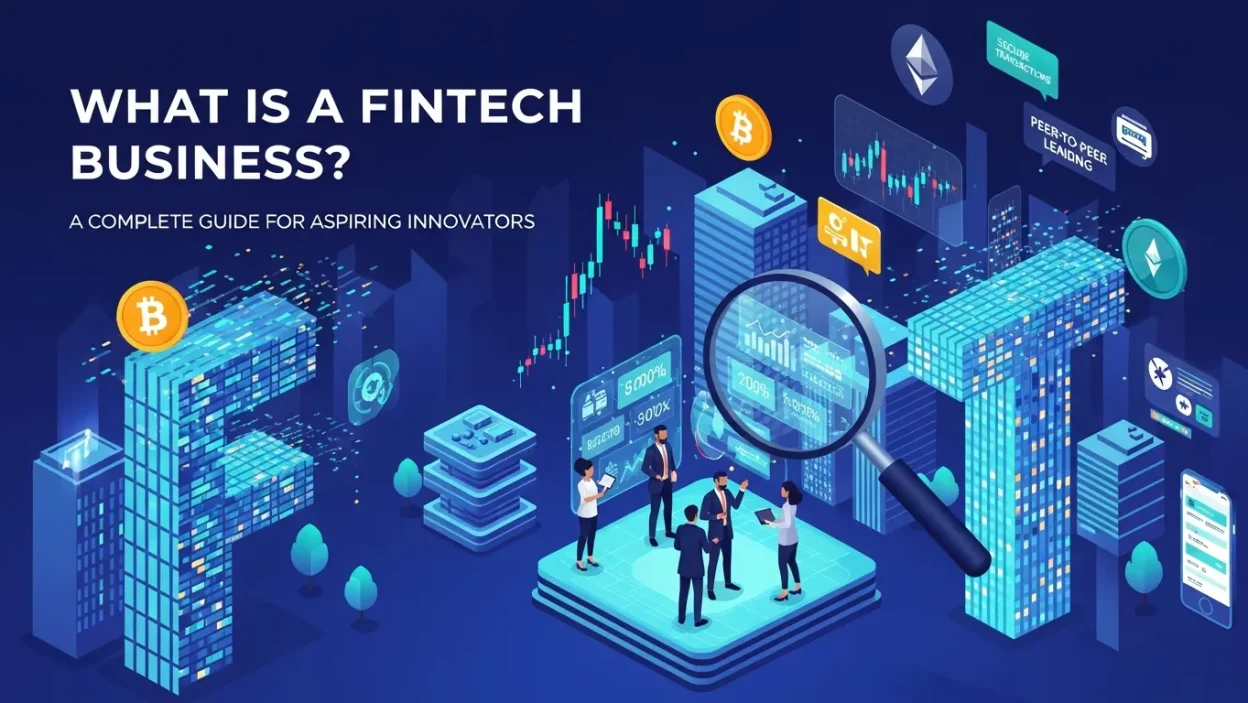
A FinTech Business combines technology and finance to deliver faster, more efficient, and accessible financial services. From payments and lending to wealth management, insurtech, and blockchain, these businesses disrupt traditional banking models. They prioritize innovation, customer experience, and scalability, making financial tools more inclusive and data-driven. Entrepreneurs, marketers, and investors benefit from opportunities in efficiency, global reach, and innovative solutions.
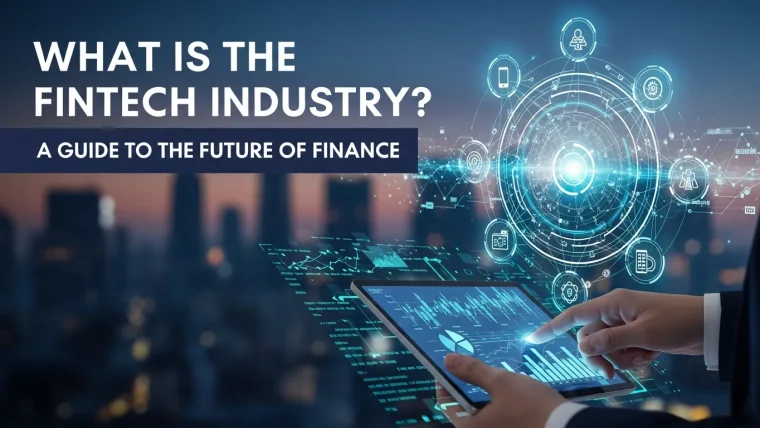
FinTech, short for financial technology, is a term that’s been buzzing in entrepreneurial and tech circles for years—and for good reason. If you’ve paid for your coffee using a mobile app, transferred money internationally in minutes, or invested in stocks via an easy-to-use platform, then you’ve experienced the convenience of FinTech firsthand.
But what exactly is a FinTech business? And why are entrepreneurs and investors so excited about it? This guide will break down the concept, explore how FinTech is reshaping traditional financial services, and highlight how you can get involved in this revolutionary industry.
What Is a FinTech Business?
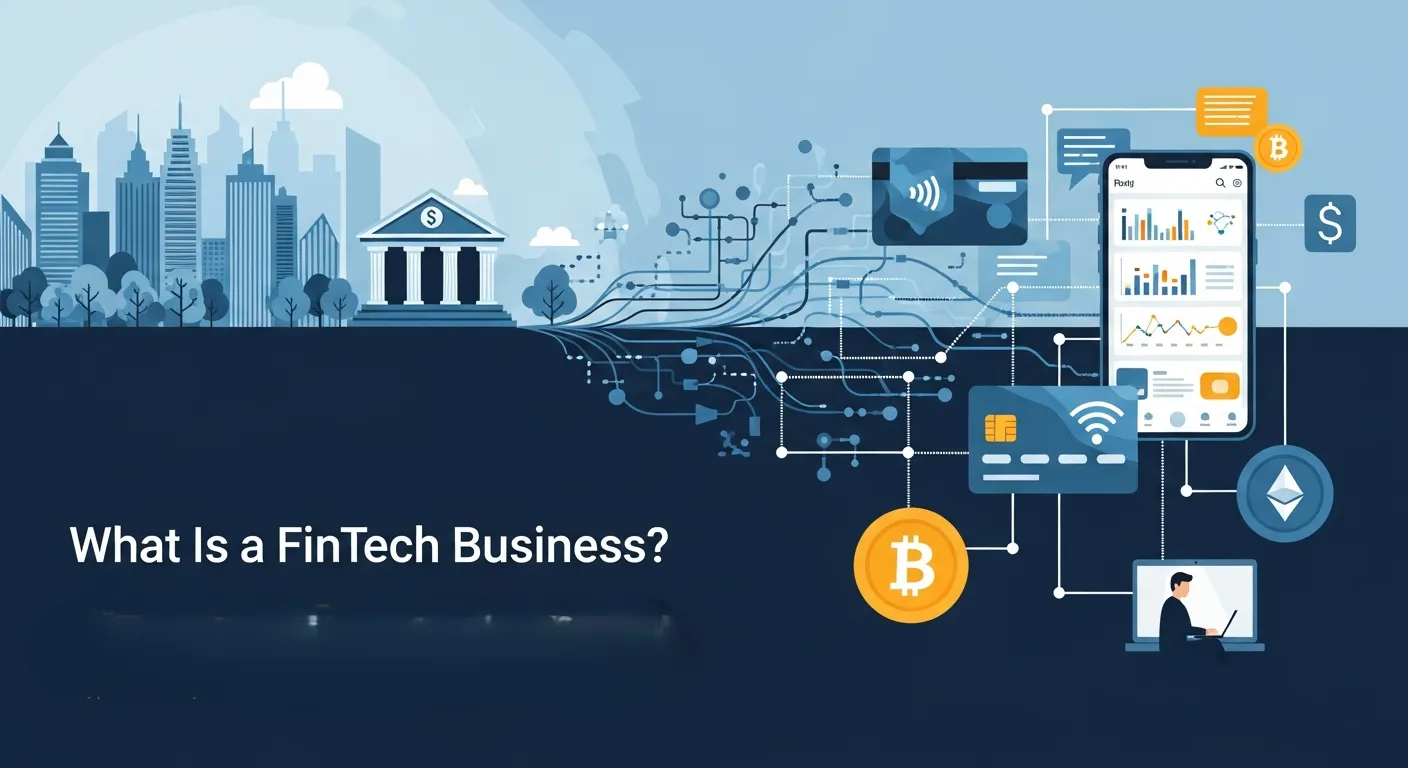
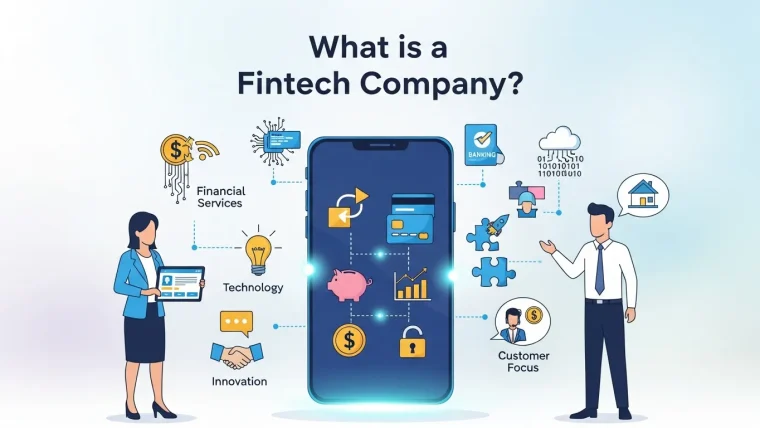
At its core, a FinTech business leverages technology to deliver financial services. From simplifying online payments to improving access to loans, FinTech companies combine innovation and technology to solve problems that have long existed in traditional finance.
The FinTech industry spans a variety of services, including banking, lending, insurance, wealth management, and payments. By adopting cutting-edge technologies like artificial intelligence (AI), blockchain, and machine learning, these businesses are making financial services more efficient, secure, and customer-friendly.
Key Characteristics of FinTech Businesses
- Technology-Driven: These businesses rely heavily on innovative technologies to deliver financial solutions.
- Customer-Centric: User experience is a top priority. FinTech apps are often intuitive, fast, and designed to meet specific consumer needs.
- Disruption-Oriented: Many FinTech companies aim to disrupt traditional financial services by offering more accessible, affordable, and transparent alternatives.
Examples of FinTech Businesses
Some well-known FinTech businesses include PayPal, example, Robinhood, and Venmo. But there are countless startups and emerging companies that are carving out unique niches in this multi-trillion-dollar industry.
Core Traits of a Successful FinTech Business
Understanding what sets a FinTech Business apart from traditional financial institutions helps entrepreneurs and marketers identify opportunities and competitive advantages. Key traits include:
-
Technology-Driven: Reliance on innovative tools such as AI, blockchain, and machine learning
-
Customer-Centric: Focus on seamless, intuitive, and personalized experiences
-
Disruption-Oriented: Challenges traditional banking and insurance practices with faster, more affordable, and transparent solutions
-
Scalable: Digital-first operations allow rapid expansion and global reach
These traits not only define the business model but also explain why FinTech is attractive to investors and entrepreneurs.
Why a FinTech Business is Important Today
A FinTech Business is not just another startup; it represents a shift in how financial services are delivered and consumed. By leveraging technology, these businesses simplify transactions, improve accessibility, and reduce costs while enhancing transparency and security. For entrepreneurs and investors, understanding the role of a FinTech Business is critical because it opens opportunities for innovation, efficiency, and market disruption.
Key Reasons to Focus on a FinTech Business:
-
Streamlines financial operations for businesses and consumers
-
Increases accessibility to underbanked and underserved populations
-
Reduces transaction fees and operational overhead
-
Offers data-driven insights to optimize decision-making
-
Encourages innovation and the use of emerging technologies like AI and blockchain
How FinTech is Reshaping Traditional Finance
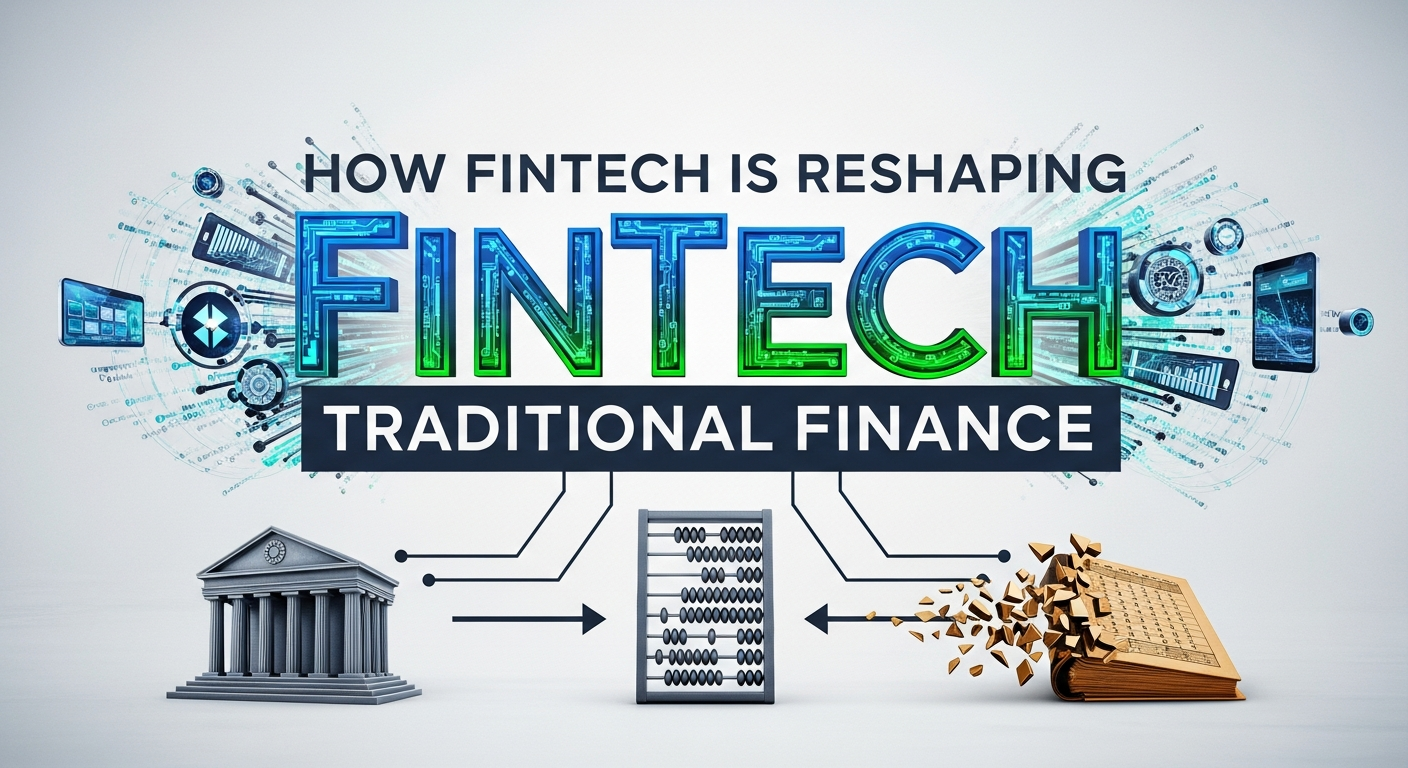
FinTech is not just a flashy buzzword. It’s fundamentally altering how individuals and businesses interact with money, creating opportunities for efficiency and innovation across sectors. Here’s how FinTech is changing the game in key areas.
1. Payments and Transactions
One of the most visible impacts of FinTech is in payment processing. Companies like example, Square, and PayPal have transformed digital payments, making transactions faster and easier for both businesses and consumers. Additionally, peer-to-peer payment services like Venmo and Zelle have made splitting bills or transferring money as simple as tapping a button.
2. Banking and Financial Access
FinTech startups are increasing financial inclusion by offering digital banking services to underbanked and unbanked communities. Neobanks such as Chime and Nubank operate solely online, offering fee-free accounts and modern mobile apps that attract younger audiences.
3. Lending and Credit
Traditional lending processes are often slow and cumbersome. FinTech companies like LendingClub and Affirm simplify the process by using algorithms to assess creditworthiness and offer loans quickly. These platforms also provide alternatives such as “buy now, pay later” (BNPL) options.
4. Wealth Management and Investing
FinTech platforms like Robinhood and Betterment have democratized investing. They’ve removed barriers such as high fees and complex setups, enabling everyday individuals to trade stocks, ETFs, and cryptocurrencies or plan their retirement with just a few clicks.
5. Insurance (InsurTech)
The insurance industry is also undergoing transformation as InsurTech firms like Lemonade use data and AI to offer personalized policies and expedite claims processing.
6. Blockchain and Cryptocurrency
No conversation about FinTech is complete without mentioning blockchain and cryptocurrency. Platforms such as Coinbase make buying, selling, and securing digital currencies remarkably accessible even for beginners. Blockchain technology also promises significant potential for secure record-keeping in areas like supply chain management and smart contracts.
FinTech Business vs Traditional Financial Services
A FinTech Business distinguishes itself through speed, innovation, and customer focus. Traditional financial institutions often rely on legacy systems, whereas fintech firms utilize modern technology to optimize efficiency and accessibility. Below is a comparison to understand the differences:
| Feature | FinTech Business | Traditional Financial Institution |
|---|---|---|
| Service Delivery | Fully digital, app-based | Branch-based with some digital services |
| Speed of Transactions | Real-time or instant | Often slow due to manual procedures |
| Customer Experience | Highly personalized and intuitive | Standardized service models |
| Costs | Low operational costs, fewer fees | High overhead and service charges |
| Innovation | Rapid adoption of emerging technologies | Slow adaptation due to legacy systems |
| Accessibility | 24/7 global access | Limited by office hours and location |
This table demonstrates how a FinTech Business transforms financial services, making them faster, more affordable, and user-friendly.
Benefits of Starting a FinTech Business

With its rapid evolution and a total global market size expected to exceed $300 billion by 2025, the FinTech industry is a golden opportunity for entrepreneurs. Here’s why launching a FinTech business might just be your next big move.
1. Exponential Growth Potential
The FinTech market is growing at a compound annual growth rate (CAGR) of over 20%, offering massive opportunities for both startups and established companies.
2. High Market Demand
Consumers and businesses alike are actively seeking better, faster, and more affordable financial solutions.
3. Innovation-Friendly Environment
FinTech businesses can tap into emerging technologies like blockchain, AI, machine learning, and big data to drive innovation and gain a competitive edge.
4. Global Scope
FinTech solutions know no geographical limitations. This offers the chance to scale a business globally and reach untapped markets.
How to Start Your Own FinTech Business
Creating a successful FinTech business takes more than a great idea. Here’s a step-by-step roadmap for aspiring entrepreneurs.
Step 1. Define Your Niche
The FinTech space is vast. Focus on solving a specific problem within an area like payments, lending, insurance, or cryptocurrency. For instance, do you want to create a tool that helps freelancers manage taxes or a platform that simplifies international payments?
Step 2. Conduct Thorough Research
Understand your target audience and market landscape. Research your competitors, analyze their strengths and weaknesses, and identify gaps where your business could stand out.
Step 3. Build a Strong Team
A FinTech business requires a solid team blending financial expertise, tech know-how, and entrepreneurial vision. Recruit professionals skilled in areas like software development, data engineering, cybersecurity, and financial services.
Step 4. Prioritize Compliance
Navigating financial regulations and maintaining data security is critical. Ensure that your business complies with all relevant legal frameworks, including GDPR, PCI DSS, and other regulations specific to your region or niche.
Step 5. Create an MVP (Minimum Viable Product)
Don’t try to build the perfect product from day one. Start with an MVP to quickly test your concept and gather user feedback. This allows you to iterate and refine your offering as you grow.
Step 6. Focus on UX/UI
Remember, user experience and interface design can make or break your FinTech app. Ensure your platform is intuitive, user-friendly, and aesthetically pleasing.
Step 7. Leverage Partnerships
Consider forming partnerships with banks, payment processors, or other FinTech players to enhance your solution’s value and reach.
Challenges in the FinTech Space
Even in a booming industry, FinTech entrepreneurs face unique challenges. These include …
- Regulation – Financial services are among the most tightly regulated industries in the world.
- Cybersecurity – With increasing digitization comes heightened risk of cyberattacks and fraud.
- Funding – Accessing initial funding can be tough for FinTech startups, especially given the technical expertise required.
- Customer Trust – Winning trust in financial services, a critical and sensitive area, can take time and effort.
However, for entrepreneurs who can overcome these barriers, the rewards can be immense.
The Future of FinTech
FinTech is more than a trend; it is a movement reshaping how the world manages money. From innovations like decentralized finance (DeFi) to AI-powered wealth advisors, the possibilities for growth and disruption are endless.
Whether you’re an aspiring entrepreneur or a passionate tech enthusiast, the FinTech world is ripe with opportunities waiting to be explored.
Take the First Step Towards Innovation

The FinTech revolution is here, and there’s room for everyone to innovate. If you’re passionate about leveraging technology to solve financial challenges, consider this your sign to start building. The next great FinTech idea could be yours!
Conclusion – FinTech Business
The FinTech Business sector is transforming the way money is managed, invested, and transacted. By leveraging AI, blockchain, and mobile solutions, these businesses provide faster, cheaper, and more transparent services compared to traditional financial institutions. For entrepreneurs, investors, and business owners, embracing FinTech innovations can streamline operations, expand markets, and deliver superior customer experiences. The future of finance is digital, and FinTech businesses are leading the way.
FAQs – FinTech Business
What is a FinTech Business?
A FinTech Business is a company that leverages technology to provide financial services more efficiently, including payments, lending, investing, insurance, and other financial operations. These businesses aim to simplify processes, reduce costs, and improve accessibility for consumers and enterprises alike.
Why are FinTech Businesses important?
They play a key role in modern finance by reducing transaction costs, improving accessibility to financial services, enhancing customer experience, streamlining processes, and offering innovative solutions that traditional banks may not provide.
How does a FinTech Business differ from a traditional bank?
FinTech businesses operate primarily online, adopt new technologies quickly, offer lower fees, and focus on personalized and user-centric services. In contrast, traditional banks often rely on physical branches, legacy systems, and standardized offerings.
What services does a FinTech Business provide?
FinTech services include digital payments, Neo-banking, online lending and credit solutions, wealth management platforms, insurtech (insurance technology), regtech (regulatory compliance), blockchain solutions, and cryptocurrency platforms.
Who benefits from FinTech Businesses?
Consumers, small businesses, entrepreneurs, marketers, and investors all benefit from faster, more accessible, cost-effective, and transparent financial services that FinTech businesses provide.
How can a FinTech Business help entrepreneurs?
FinTech tools streamline payments, accounting, lending, and customer interactions, while offering data-driven insights that assist entrepreneurs in making better business and financial decisions.
Are FinTech Businesses secure?
Yes. Most FinTech companies use advanced technologies like AI, blockchain, encryption, and secure cloud platforms to ensure safe transactions and protect sensitive user data from cyber threats.
What are the challenges for FinTech Businesses?
Major challenges include navigating strict regulatory compliance, addressing cybersecurity threats, securing funding for startups, and building trust with customers in a highly sensitive financial environment.
How is FinTech changing traditional finance?
FinTech disrupts conventional banking by enabling real-time transactions, automating processes, offering personalized services, and promoting open banking models, making financial services faster, more flexible, and user-friendly.
Can small businesses benefit from FinTech solutions?
Absolutely. Tools like PayPal, Square, and QuickBooks help small businesses manage finances efficiently, reduce operational costs, process payments seamlessly, and expand into global markets without significant overhead.
What technologies do FinTech Businesses rely on?
Core technologies include artificial intelligence (AI), blockchain, machine learning, cloud computing, mobile applications, big data analytics, and secure digital payment platforms.
What does the future hold for FinTech Businesses?
The future includes AI-driven personalization, embedded finance, decentralized finance (DeFi), real-time payment solutions, and increased collaborations between FinTech companies and traditional banks, creating innovative and integrated financial ecosystems.



Embedded Finance and the Future of Seamless Digital Financial Services
How AI-Based Fraud Detection is Protecting Digital Payments
Harnessing AI and Machine Learning for Fraud Detection in Digital Finance
Digital Marketing for Financial Services: Strategies That Deliver Results
Digital Twin Technology in Finance: How Virtual Models Are Transforming Risk Management
The Future of Personal Finance: Autonomous Finance and AI Money Management
AI Credit Scoring: Revolutionizing SME Banking and Digital Loans
AI Fraud Detection: How Banks Prevent Financial Crime in Real Time