

Open Banking APIs are transforming how people and businesses use financial services. These APIs allow banks, fintech companies, and third-party apps to share data safely through secure banking technology. With customer permission, Open Banking gives access to financial information to build better, faster, and more personalized digital banking solutions.
This shift from closed banking systems to connected financial ecosystems supports innovation and improves the overall user experience. It helps banks adopt digital transformation, supports fintech innovation, and creates new opportunities for growth in the financial sector.
What Is Open Banking?
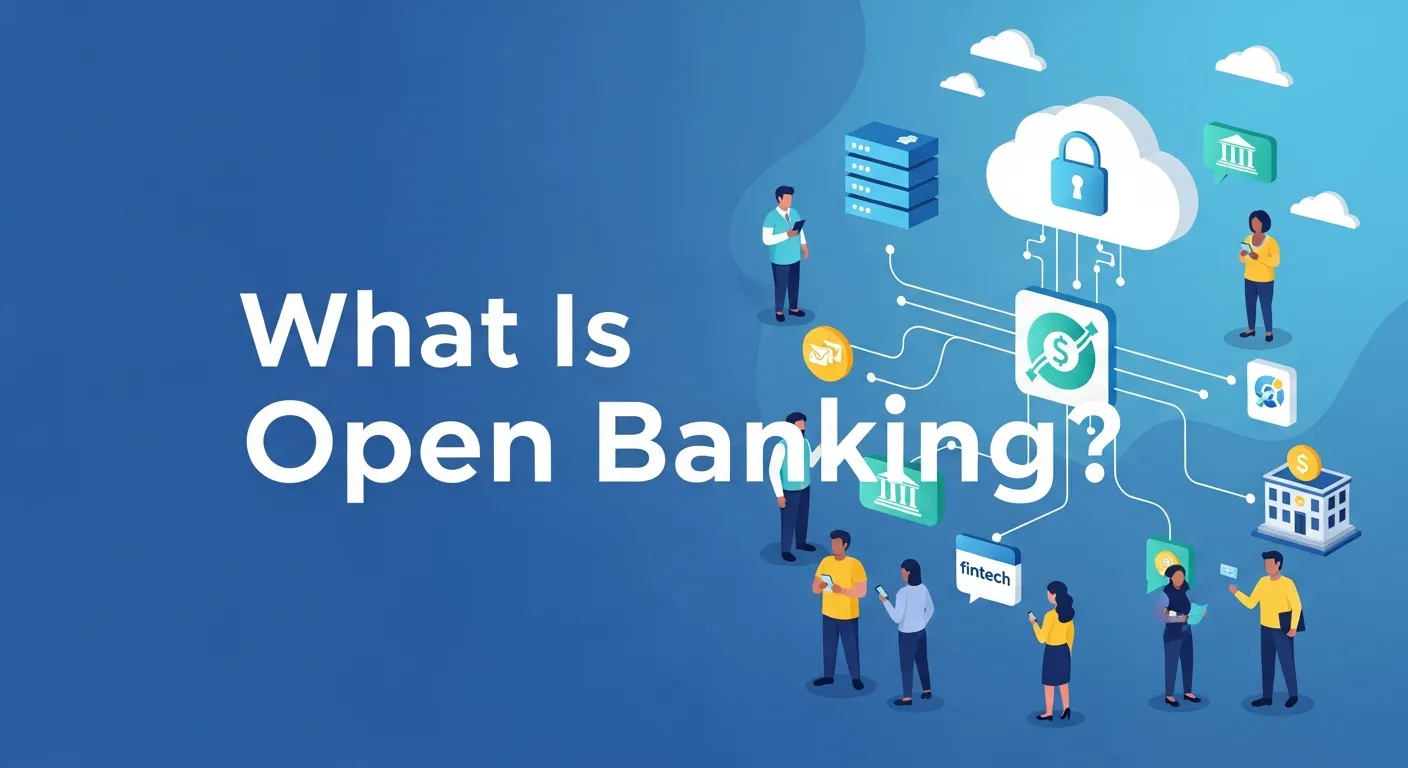
Open Banking is a system that lets banks share customer-approved data with trusted third-party apps through secure APIs. This sharing only happens when the customer gives permission. These APIs allow apps to view account information or start payments safely.
The main idea of Open Banking is transparency and customer control. People decide who can use their financial data and for what purpose. This system also increases competition because more companies can build helpful financial tools.
Instead of every bank working in a closed system, Open Banking creates a shared platform. This makes it easier for developers to build budgeting apps, payment tools, loan comparison services, and other digital banking solutions. Open Banking helps create faster, smarter, and more personalized financial services for everyone.
The Role of APIs in Digital Finance
APIs act like digital bridges that let different financial systems talk to each other. They help apps share data quickly and safely in real time. Open Banking APIs use standard formats for requests, responses, and security methods like OAuth 2.0. This makes it easier for banks, fintech companies, and developers to connect their systems.
With APIs, there is no need for screen-scraping or manual uploads. Instead, apps receive clean, structured data that computers can read instantly. APIs support many digital finance functions, such as checking balances, viewing transactions, starting payments, and detecting fraud. They power the modern financial ecosystem and help create faster, smarter, and more reliable financial products.
Benefits of Open Banking APIs

Open banking APIs offer many advantages for consumers, businesses, fintech companies, and traditional banks. These benefits support better digital finance, stronger competition, and more innovation.
1. Enhanced User Experience
-
Customers can view all their bank accounts in one place.
-
They can get real-time balance updates, spending insights, and smart budget alerts.
-
One-click payments and smooth authentication make digital banking faster.
-
Apps can personalize financial advice based on actual transaction data.
2. Improved Financial Inclusion
-
Lenders can analyze more data, such as spending patterns or mobile transactions.
-
This helps people who have limited credit history.
-
Faster verification reduces paperwork for borrowers.
-
Small businesses can access microloans using real-time account data.
3. Faster Time to Market
-
Fintech developers can use ready-made APIs.
-
They do not need to build complex systems from scratch.
-
API documentation and sandboxes speed up prototyping.
-
Banks and startups can launch new services quickly, such as budgeting tools or instant-pay apps.
4. New Revenue Streams
-
Banks can earn money by offering premium API access.
-
They can charge for advanced analytics or transaction insights.
-
Partner ecosystems allow cross-selling between banks and fintechs.
-
This creates new business models under open finance.
5. Operational Efficiency
-
APIs automate tasks that used to be manual.
-
This reduces human error and saves time.
-
Data moves securely between systems in real time.
-
Banks can focus more on innovation instead of paperwork.
6. Stronger Market Competition
-
Open banking opens the door for new fintech players.
-
Consumers get more choices for payments, savings, and lending.
-
Competition pushes banks to improve digital services.
-
More innovation leads to better pricing and more value for users.
Use Cases and Real-World Examples
Open banking APIs are powering a diverse array of financial services globally. Here are a few notable use cases:
- Personal Finance Management: Apps like Mint or Emma aggregate transaction data from multiple accounts to provide budgeting tools, spending categorization, and goal tracking in one unified interface.
- Seamless Payments: Services such as Trustly or Plaid Offer enable one-click bank transfers at checkout, reducing reliance on cards and lowering payment processing fees.
- Credit Scoring: Alternative lenders use open banking data to assess borrowers’ cash flows, subscription payments, and income patterns for fairer credit decisions, even without traditional credit history.
- SME Cash Flow Tools: Platforms like Tide or QuickBooks leverage account transaction streams to forecast cash flow, send automated reminders, and optimize working capital management.
- Robo-Advisors: Digital wealth managers pull in account balances and investment holdings to deliver real-time portfolio rebalancing, tax-loss harvesting, and personalized asset allocation.
Security and Privacy Considerations


Security is the most important part of open banking. Banks and fintechs must protect sensitive financial data at every step. Open banking rules require strong customer authentication (SCA), end-to-end encryption, and clear consent management. These measures help build trust and keep users safe.
1. Strong Customer Authentication (SCA)
-
Users must confirm their identity using at least two factors.
-
This reduces unauthorized access.
-
Banks and TPPs use methods like biometrics, OTPs, and device verification.
2. OAuth 2.0 & OpenID Connect
-
OAuth 2.0 allows users to give apps permission without sharing passwords.
-
OpenID Connect adds identity verification on top of OAuth.
-
Apps receive secure tokens instead of login credentials.
-
This keeps customer accounts safe from credential theft.
3. TLS Encryption
-
All data sent through APIs must be encrypted.
-
TLS protects information in transit from attacks.
-
This prevents data leaks, interception, or tampering.
4. Consent Management
-
Users control what data they share and for how long.
-
They can review permissions in dashboards.
-
They can limit or revoke access anytime.
-
This builds trust and ensures transparency.
5. Regular Audits & Penetration Testing
-
Banks and TPPs run regular security tests.
-
Penetration tests find weaknesses before attackers do.
-
External audits confirm compliance with global security standards.
-
This keeps the ecosystem strong and reliable.
6. Data Minimization & Storage Controls
-
Only necessary data should be collected.
-
Data must not be stored longer than required.
-
Secure databases and access controls protect stored information.
7. Fraud Monitoring & Real-Time Alerts
-
Systems monitor transactions for unusual behavior.
-
AI and machine learning can flag suspicious activity.
-
Users and banks receive alerts instantly.
Challenges and Regulatory Landscape
Open banking creates new opportunities in digital financial, but it also brings major challenges. Different regions follow different rules, which makes global adoption difficult. Financial institutions must manage compliance, security, and data protection while delivering a smooth user experience.
Regulatory Differences Across Regions
-
Regulations vary from country to country.
-
The EU’s PSD2 requires banks to provide Account Information Services (AIS) and Payment Initiation Services (PIS).
-
The UK Open Banking Standard adds strict API rules and data formats.
-
Australia’s CDR expands open data to multiple sectors.
-
These differences make cross-border integration harder for banks and fintechs.
Standardization Challenges
-
There is no single global API standard.
-
Different markets use different API structures.
-
This creates ecosystem fragmentation and increases development costs.
Compliance Costs and Governance
-
Banks must invest in strong compliance systems.
-
They need clear data governance policies to manage user permissions.
-
Failing to meet standards can result in heavy fines and loss of trust.
Data Privacy and Consumer Trust
-
Customers worry about how their data is shared and stored.
-
Companies must follow strict privacy laws and maintain transparent consent flows.
-
Strong communication builds confidence and drives adoption.
Security Risks
-
Opening APIs security risks.
-
Companies must use strong authentication and encryption.
-
Regular audits and penetration testing reduce vulnerabilities.
Limited Consumer Awareness
-
Many customers still do not understand open banking.
-
Low awareness slows down market growth.
-
Clear education helps customers feel safe using new financial tools.
Slow Adoption by Traditional Banks
-
Many banks still rely on old systems.
-
These systems make it difficult to build secure and modern APIs.
-
Digital transformation is needed for smooth open banking adoption.
Future Trends and Innovations

As open banking evolves, several major trends will drive the next generation of digital finance:
1. Embedded Finance Becomes Mainstream
Non-financial platforms—such as ride-hailing apps, retail marketplaces, and super apps—will embed banking services directly into their customer journeys. Using embedded finance APIs, users will access payments, lending, and insurance without leaving the platform.
2. Expansion Into Open Data Ecosystems
Open banking is expanding into wider “open data” ecosystems. Regulators are extending data-sharing frameworks to sectors like energy, telecoms, and healthcare. This shift will create cross-industry datasets and new high-value services powered by unified consumer insights.
3. AI-Driven Personalization at Scale
AI and machine learning will process real-time open banking data to deliver hyper-personalized financial experiences. Expect smarter financial planning tools, real-time fraud detection systems, personalized credit scoring, and instant risk assessments.
4. Tokenized and Secure Data Sharing
Blockchain and distributed ledger technologies will enable tokenized data sharing. This will improve security, traceability, and consent management. Users and institutions will benefit from immutable audit trails and more transparent data access.
Best Practices for Implementation
To succeed with open banking APIs, organizations must follow clear and practical best practices. These steps help improve performance, increase security, and support long-term growth in digital finance.
1. Define Clear Use Cases
-
Start by choosing API use cases that support your business goals.
-
Focus on features that improve user retention, reduce operational costs, or help launch new financial services.
-
Clear goals help teams build faster and avoid unnecessary development.
2. Use API Management Platforms
-
API management platforms make API operations easier.
-
These tools support access control, rate limiting, analytics, and monitoring.
-
They also offer developer portals and sandbox environments for testing.
-
This reduces integration time for banks and fintech developers.
3. Stay Connected With Regulators
-
Keep close communication with regulators and standard-setting bodies.
-
This helps you stay updated on new rules, compliance changes, and API requirements.
-
Early alignment reduces legal risk and helps build customer trust.
4. Build Security by Design
-
Security should be part of your development process from day one.
-
Use strong authentication, end-to-end encryption, and role-based access.
-
Perform regular audits, code reviews, and penetration testing.
-
This protects users and reduces API vulnerabilities.
5. Support a Strong Developer Community
-
Provide clear documentation and helpful code examples.
-
Offer sandboxes for testing and host hackathons to encourage innovation.
-
A strong developer ecosystem increases API adoption and drives new ideas.
6. Monitor Performance and Optimize Continuously
-
Track API performance, latency, and error rates.
-
Use analytics to understand how developers and customers use your APIs.
-
Continuous improvements help create a stable and scalable platform.
Conclusion
The Open Banking revolution is changing the digital finance world. It connects banks, fintech companies, and third-party providers through secure data sharing. With open banking APIs, financial institutions can offer personalized banking services, real-time payments, and modern financial tools that improve customer experience.
This new system supports innovation, customer choice, and financial inclusion. As global regulations and API standards continue to improve, open finance will become even more transparent, secure, and user-friendly. Companies that embrace open banking APIs now will stay competitive and lead the market with smarter, faster, and more accessible digital financial services.
FAQs: Open Banking APIs
1. What are Open Banking APIs?
Open Banking APIs are secure digital interfaces that enable banks to share customer-approved financial data with trusted third-party apps. They foster innovation, improve financial services, and empower users with better control over their financial data.
2. How do Open Banking APIs work?
Open Banking APIs securely connect banks and third-party apps, sharing data only after user consent through authentication protocols like OAuth 2.0. This ensures privacy, security, and seamless integration for enhanced financial services.
3. Are Open Banking APIs safe to use?
Yes, Open Banking APIs use encryption, strong customer authentication, and consent management to protect user data. These measures ensure secure and regulated data sharing, safeguarding sensitive financial information.
4. Who can access data through Open Banking APIs?
Only licensed and regulated third-party providers can access data, and only with explicit customer consent. This ensures that data sharing is controlled, secure, and compliant with regulatory standards, protecting user privacy.
5. What data can Open Banking APIs share?
Open Banking APIs can share account balances, transaction history, and payment initiation details, depending on user consent. This data enables personalized financial services, better budgeting tools, and tailored insights for users.
6. How do Open Banking APIs benefit customers?
They empower customers with better budgeting tools, faster payments, personalized financial insights, and simplified money management. These benefits enhance financial control, convenience, and decision-making for users.
7. How do Open Banking APIs help fintech companies?
Fintechs can innovate rapidly by leveraging banking data without building infrastructure from scratch. This allows them to create advanced financial apps and services, catering to user needs and driving innovation in the financial sector.
8. Do banks benefit from Open Banking APIs?
Yes, banks gain new revenue opportunities, enhance customer experience, and maintain competitiveness by embracing digital transformation. Open Banking APIs also foster collaboration with fintechs, driving innovation and growth.
9. Can Open Banking APIs improve financial inclusion?
Yes, Open Banking APIs enable lenders to assess real financial behavior, providing underserved users with access to loans and essential financial services. This promotes financial inclusion and helps bridge gaps in the financial ecosystem.
10. Are Open Banking APIs required by law?
In many regions, regulations like PSD2 and UK Open Banking mandate banks to provide API access under strict compliance rules. These regulations ensure secure, standardized, and regulated data sharing, fostering transparency and innovation.






Are Fintech Banks Safe? Here’s What You Need to Know
What is a Fintech Company?
What Are Digital Finance Tools
Digital Twin Technology in Finance: How Virtual Models Are Transforming Risk Management
Market basket analysis: Transforming Education Through Calm and Focus
Zero-Knowledge Proofs: Transforming Education Through Calm and Focus
Blockchain Interoperability in Education
Bridging the Unbanked Gap with Mobile Digital Finance