

RegTech, short for regulatory technology, is rapidly transforming the way financial institutions (FIs) manage compliance. With regulations becoming more stringent and the demand for transparency in financial operations rising, companies are seeking innovative solutions to simplify adherence and reduce operational burdens.
RegTech solutions leverage advanced technologies such as AI, machine learning, blockchain, and big data analytics to automate traditionally manual compliance tasks. From monitoring AML (Anti-Money Laundering) and KYC (Know Your Customer) requirements to ensuring GDPR compliance, these tools help businesses mitigate risk, improve accuracy, and maintain digital payments security.
If you’re part of the FinTech ecosystem, this guide will explore what RegTech is, why it matters, and which compliance tools are leading the way in streamlining regulatory management for financial institutions.
What Is RegTech?
RegTech, short for regulatory technology, refers to the use of advanced technologies to help businesses comply with financial regulations more efficiently. These tools leverage innovations such as:
-
Artificial Intelligence (AI) – for predictive compliance and machine learning fraud detection
-
Machine Learning (ML) – to detect anomalies, automate monitoring, and reduce human error
-
Blockchain – to create transparent, tamper-proof audit trails
-
Big Data Analytics – for real-time insights into transactions and regulatory trends
By automating traditionally manual compliance tasks—especially for global standards like AML (Anti-Money Laundering), KYC (Know Your Customer), and GDPR—RegTech streamlines monitoring, reporting, and regulatory operations. This allows financial institutions and FinTech companies to scale operations while remaining risk-aware, compliant, and secure in their digital payment ecosystems.

Why Is RegTech Important in FinTech?
1. Adaptation to Changing Regulations
Regulations are always evolving, making manual tracking nearly impossible. RegTech tools offer real-time updates, ensuring you’re always compliant.
2. Cost Efficiency
Traditional compliance is labor-intensive and costly. Regulatory Technology automates processes, leading to significant cost savings.
3. Risk Mitigation
AI-driven tools can detect emerging threats early, helping businesses resolve issues before they escalate.
4. Scalability
Whether you’re a startup or an enterprise, RegTech tools scale with your growth and changing regulatory requirements.
The Best RegTech Tools to Streamline Compliance
Here are some top Regulatory Technology solutions revolutionizing the financial compliance landscape:
1. Comply Advantage
Specialization: Anti-Money Laundering (AML) & Risk Management
Key Features:
- Real-time data on sanctions and watchlists
- AI-powered risk detection
- Automated transaction monitoring
A cloud-based, AI-driven risk database helping firms detect and neutralize financial crimes.
2. Onfido
Specialization: Know Your Customer (KYC)
Key Features:
- Biometric and AI-based identity verification
- Real-time onboarding
- Flexible API integrations
Onfido allows FinTechs to onboard customers securely, reducing fraud risks under strict KYC requirements.
3. Regulatory.ai
Specialization: Regulatory Change Management
Key Features:
- Real-time regulatory tracking
- Industry-specific insights
- Compliance collaboration tools
Stays one step ahead of evolving regulations to help teams remain proactive.
4. Chainalysis
Specialization: Blockchain & Cryptocurrency Compliance
Key Features:
- Blockchain analytics and monitoring
- Crypto transaction risk scoring
- AML tools for crypto businesses
Trusted by leading crypto platforms for ensuring compliance in decentralized systems.
5. Trunomi
Specialization: GDPR & Privacy Management
Key Features:
- Consent tracking dashboards
- Compliance documentation automation
- Customer data transparency
Ideal for FinTechs looking to manage and protect user data while staying GDPR-compliant.
6. Arachnys
Specialization: Due Diligence & KYC Updates
Key Features:
- Global data screening
- Automated compliance reporting
- Predictive insights using machine learning
Speeds up compliance team workflows through enhanced due diligence.
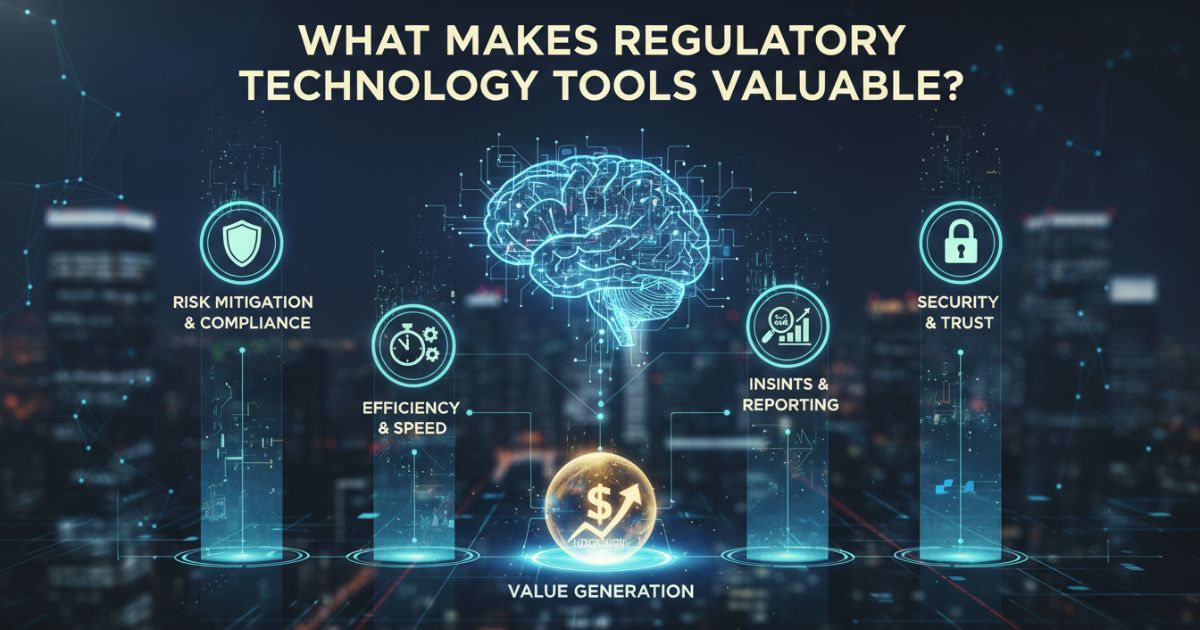
What Makes Regulatory Technology Tools Valuable?
Streamlined Processes
RegTech automates repetitive and time-consuming compliance tasks, such as document collection, verification, and filing. By reducing manual effort, businesses can complete regulatory processes faster and more efficiently, improving overall compliance management and digital payments security.
Improved Accuracy
AI-powered RegTech tools minimize human error, ensuring reliable results in sensitive regulatory matters. From AML monitoring to KYC verification, automation increases precision and reduces the risk of compliance breaches.
Enhanced Transparency
RegTech platforms provide end-to-end audit trails that promote transparency and trust. Stakeholders, regulators, and internal teams can easily access and verify compliance records, strengthening accountability and FinTech security.
Faster Time to Market
By reducing compliance bottlenecks, RegTech tools accelerate product launches. FinTech companies can bring new financial products and services to market more quickly without compromising regulatory adherence, providing a competitive edge in the digital finance ecosystem.
Actionable Insights
Modern RegTech platforms offer data-driven insights into compliance performance, risk exposure, and emerging regulatory trends. Companies can leverage this information to refine policies, anticipate potential risks, and improve machine learning fraud detection and transaction monitoring strategies.
Cost Savings
Automation and AI reduce the need for large compliance teams and lower the costs associated with manual processes. Companies can reinvest these savings into innovation and growth while maintaining robust digital payments security.
How to Choose the Right RegTech Tool
Selecting the right RegTech solution is critical for ensuring efficient compliance, minimizing risks, and maintaining digital payments security. Here are key factors to consider:
Define Your Compliance Priorities
Identify which area of compliance matters most to your business: Anti-Money Laundering (AML), KYC (Know Your Customer), GDPR, or other regulatory requirements. Choosing a tool that aligns with your primary compliance focus ensures you get maximum value and effectiveness from the platform.
Evaluate Scalability
Your compliance tool should grow with your business. Look for platforms that can handle increasing transaction volumes, expanding operations, and evolving regulatory requirements. Scalable AI-driven compliance solutions are essential for both startups and global enterprises.
Check Integration Flexibility
A great RegTech tool integrates seamlessly with your existing systems, including payment processors, banking platforms, and internal workflows. Integration ensures smooth machine learning fraud detection, real-time transaction monitoring, and efficient compliance management without disrupting operations.
Prioritize User Experience
Choose platforms that are intuitive and easy for your compliance team to use. Tools with user-friendly interfaces, dashboards, and automation features reduce training time and increase adoption, helping teams leverage RegTech analytics effectively.
Assess Vendor Credibility
Research the tool provider’s track record, including user reviews, industry recognition, and success stories. Reliable vendors with proven expertise in FinTech regulatory technology are more likely to deliver secure, effective, and continuously updated compliance solutions.
Consider Regulatory Updates and Support
A strong RegTech platform provides real-time regulatory updates and proactive support to help you adapt to changing laws quickly. This ensures your business stays compliant and reduces the risk of penalties or operational disruptions.
The Future of RegTech in FinTech
AI-Powered Regulatory Predictions
Advanced AI-driven compliance tools are evolving to predict regulatory changes before they occur. By leveraging machine learning, big data analytics, and historical compliance patterns, FinTech companies can anticipate new rules, assess potential risks, and proactively adjust their operations. This ensures continuous digital payments security, reduces regulatory penalties, and strengthens overall FinTech security.
Global Standardization
As financial services expand globally, cross-border compliance becomes increasingly complex. Future RegTech solutions may automatically align with international regulatory standards, making it easier for companies to operate in multiple jurisdictions and streamline global financial compliance management.
Blockchain Integration
Blockchain’s transparency and immutability can revolutionize regulatory reporting. Integrating blockchain with RegTech allows for fully automated audit trails, improved transaction monitoring, and enhanced AML and KYC compliance. Regulators and businesses gain access to real-time, tamper-proof data, boosting trust and operational efficiency.
Cloud-Based Compliance Solutions
Cloud technology enables scalable, flexible, and cost-efficient compliance management. Future RegTech platforms will leverage cloud computing to provide real-time data access, automated reporting, and enhanced collaboration across distributed teams, making regulatory operations faster and more resilient.
Predictive Risk Management
Advanced analytics and AI will allow FinTechs to not only react to compliance issues but also predict potential risks before they escalate. By identifying vulnerabilities early, companies can mitigate fraud, prevent operational disruptions, and maintain digital payments security at all times.
RegTech Analytics Dashboards
Interactive dashboards will provide real-time insights into compliance performance, risk levels, and regulatory changes. Decision-makers can visualize trends, monitor key metrics, and make data-driven compliance decisions efficiently, enhancing transparency and operational control.
Integration with FinTech Ecosystems
Future RegTech tools will increasingly integrate seamlessly with other FinTech platforms like payment processors, e-wallets, and digital banking solutions. This interoperability ensures that compliance is embedded directly into daily operations, reducing friction and improving user experience.
Conclusion
Compliance doesn’t have to be overwhelming. Regulatory Technology (RegTech) empowers FinTech companies to stay ahead of evolving regulations while maintaining digital payments security, minimizing risk, and building long-term credibility and trust. By leveraging AI-driven compliance tools, machine learning fraud detection, and automated transaction monitoring, businesses can simplify complex regulatory processes, reduce human error, and ensure adherence to standards like AML, KYC, and GDPR.
The key is to start small: adopt tools that address your most critical compliance challenges today, and scale them as your business grows. Modern RegTech solutions not only streamline operations and enhance transparency but also provide actionable insights to anticipate regulatory changes before they impact your operations.
In the fast-paced world of FinTech, compliance isn’t just about following rules — it’s about safeguarding your reputation, protecting customer data, and enabling sustainable growth. By embracing RegTech, companies can create a secure, trustworthy, and agile environment for financial innovation, positioning themselves as leaders in FinTech security and the future of regulated digital finance.
FAQs
What is RegTech and why is it important for FinTech?
RegTech, short for regulatory technology, uses tools like AI, machine learning, and blockchain to help financial institutions comply with regulations efficiently. It is crucial for FinTech companies to reduce compliance risks, save costs, and ensure transparency in a constantly evolving regulatory environment.
How do RegTech tools help with AML, KYC, and GDPR compliance?
RegTech platforms automate manual compliance tasks, such as monitoring transactions, verifying customer identities, and tracking consent. This ensures adherence to AML, KYC, and GDPR regulations, minimizes human error, and speeds up reporting and auditing processes.
What are some top RegTech tools for financial compliance?
Leading RegTech solutions include:
-
ComplyAdvantage – AML & risk management
-
Onfido – KYC and identity verification
-
Regulatory.ai – regulatory change management
-
Chainalysis – blockchain and crypto compliance
-
Trunomi – GDPR and privacy management
-
Arachnys – due diligence and KYC updates
How does AI improve regulatory compliance in FinTech?
AI enhances compliance by detecting suspicious activities, predicting emerging risks, and automating reporting tasks. With machine learning fraud detection and real-time transaction monitoring, businesses can stay ahead of evolving regulations while improving operational efficiency.
How should a company choose the right RegTech tool?
Companies should consider:
-
Their compliance priorities (AML, KYC, GDPR, etc.)
-
Tool scalability to match business growth
-
Integration flexibility with existing systems
-
Ease of use for internal teams
-
Vendor credibility and industry recognition





Programmable Wallets: The Future of Budgeting in the Age of Smart Contracts
AI in Wealth Management: How Artificial Intelligence is Reshaping Finance
What Is Digital Finance Transformation
Blockchain in Digital Finance: Opportunities and Challenges
Digital Twin Technology in Finance: How Virtual Models Are Transforming Risk Management
The Future of Personal Finance: Autonomous Finance and AI Money Management
AI Credit Scoring: Revolutionizing SME Banking and Digital Loans
AI Fraud Detection: How Banks Prevent Financial Crime in Real Time