
Digital Marketing for Financial Services has become a critical growth driver for banks, fintechs, insurance providers, and financial institutions operating in a highly regulated and trust-driven environment. By combining SEO, content marketing, social media, email campaigns, paid ads, personalization, and data-driven measurement, financial brands can educate customers, build credibility, and drive long-term engagement. A successful strategy focuses on compliance, transparency, customer-centric messaging, and continuous optimization across the entire digital journey.
The financial services sector is subject to intense competition and significant regulation, and it depends on trust. For companies in this space, connecting with customers, building trust, and differentiating from the competition is more important than ever. Enter digital marketing for financial services.
For financial services organizations, digital marketing is not a nice-to-have; it’s a must-have. This toolkit will guide you with tactical recommendations, making them specific to the industry realities of financial services, to create a digital marketing plan that generates growth, engagement, and trust.
Why Digital Marketing for Financial Services Requires a Different Approach
Digital Marketing for Financial Services is fundamentally different from marketing in other industries because it operates at the intersection of trust, regulation, and long-term customer relationships. Financial decisions are high-stakes, and customers expect accuracy, transparency, and security at every digital touchpoint.
Unlike retail or entertainment brands, financial institutions must educate before they sell. A successful strategy balances compliance with creativity while delivering value-driven content that builds confidence.
Key characteristics of financial services marketing:
-
High reliance on trust and credibility
-
Strong regulatory and compliance requirements
-
Longer decision-making cycles
-
Need for educational, not promotional, content
Navigating The Financial Services Environment
Special Challenges and Opportunities
Financial activities present some issues, too. This industry, in particular, is complicated due to strict regulatory requirements, diverse customer demands, and a conservative audience. But opportunities abound in these challenges. For instance, more people are turning to the internet to research embedded finance digital platforms, thereby allowing businesses the opportunity to reach audiences at the appropriate time via the most relevant digital channels.
The trick is to solve pain points and bring value upfront. Transparency, teachability, and a customer-first mentality will always differentiate a financial services brand in the digital space.
How do you write a digital marketing plan for financial services?
Defining Goals and Your Ideal Audience
Set goals: Before you start marketing your products, you need to set your goals of what you’re trying to achieve – could it be increased brand awareness, more leads generated, or driving customer retention? Clear, quantifiable objectives will help you keep your strategy on point and effective.
Audience segmentation is just as critical. “The financial institutions need to know the customer behaviors, financial literacy, and preferences. Surveys, feedback forms, and analytics can be helpful to get a handle on what your audience needs.
Pro Tip: Trying to reach millennials? Make sure you have a mobile-first approach to content. Reaching Gen X or Boomers? Just use simple, descriptive language.
SEO for Financial Services
Content writes to signal to search engines that it is optimized.
When most people think of SEO, the financial services sector isn’t the first thing that comes to mind, but it’s an industry that relies heavily on making its presence felt online. Every day your target group googles financial solutions and with a better spot in the search results, you are there when they are.
Here is how to up your SEO game in financial services:
-
Hit the Right Keywords: You can get ideas of what’s low-hanging fruit to target by using tools like Google Keyword Planner to research appropriate terms like “investment planning,” “best retirement accounts,” or “personal loans advice.”
-
Localize Your SEO: If you’re targeting a local audience, you need to localize your content with such keywords as “financial advisor in Chicago”.
-
Produce Great Content: Write blogs, whitepapers, and FAQs on general financial questions. Solve your customers’ problems for them in plain language.
-
Invest in Technical SEO: Ensure your site is mobile-friendly, increase site speed, and integrate a secure HTTPS protocol (trust is the number one issue for clients).
Customer Journey Mapping in Digital Marketing for Financial Services
Understanding the customer journey is essential in Digital Marketing for Financial Services, as users move through multiple touchpoints before making a decision. From awareness to conversion, each stage requires tailored messaging and channels.
Typical customer journey stages:
-
Awareness: Searching for financial advice or solutions
-
Consideration: Comparing providers, products, and rates
-
Decision: Filling out forms, booking consultations, or opening accounts
-
Retention: Ongoing communication, education, and support
Aligning content with each stage improves engagement, reduces drop-offs, and increases conversion rates.
Financial Services Content Marketing
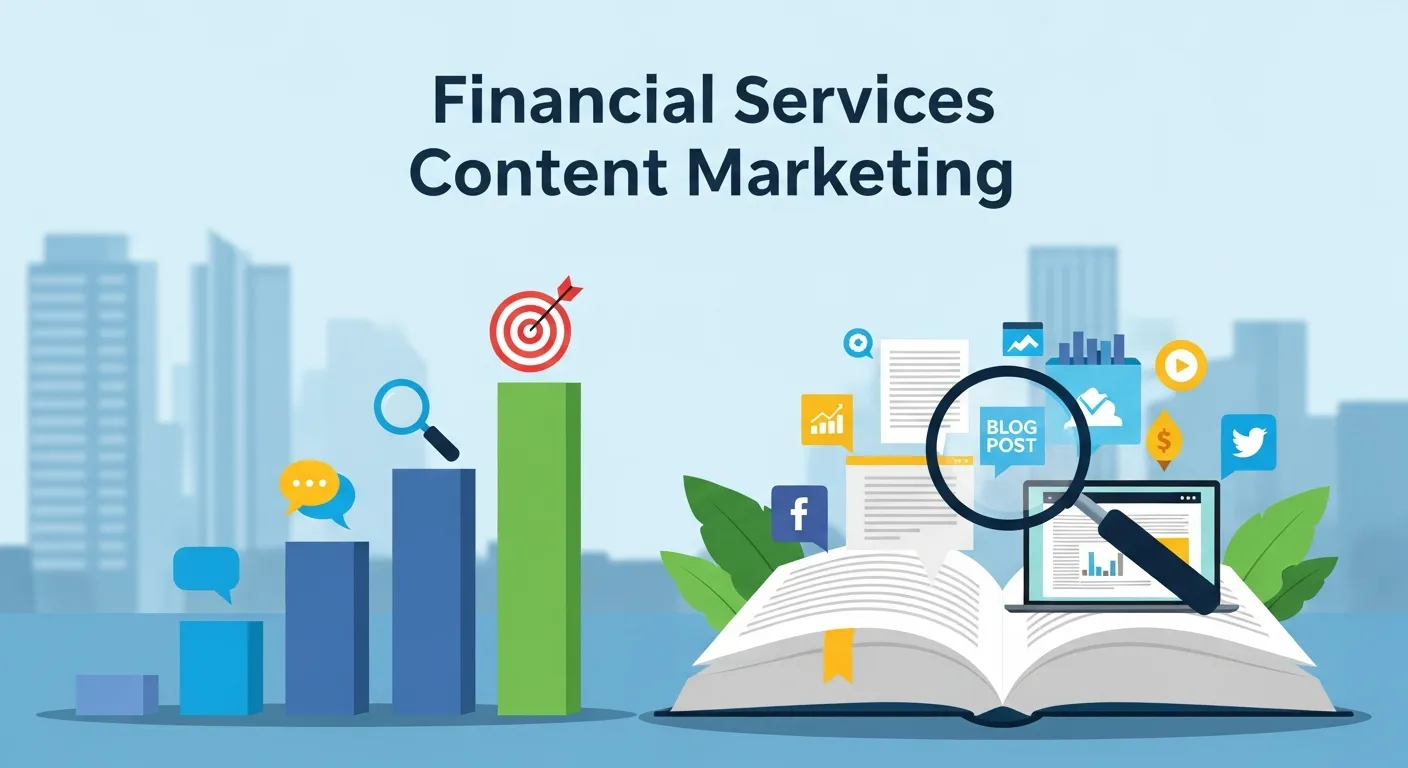
Building Trust and Authority
Trust is the bedrock of any financial relationship. Content quality work is going to help you in serving less-known and published information to your readers.
Most Common Financial Service Content Marketing Types:
-
Blogs & Articles: create content in the form of a blog post, financial planning tips, loan comparison, or investment FAQs.
-
Video Content: Produce explainer videos and how-to tutorials on complex financial subjects such as taxes or mortgages.
-
Storytelling: Share actual success stories of how your company has impacted customers.
Try to remember to make content easy to read and connect with it, especially for those who are not aware of the financial language.
Trust Signals That Strengthen Digital Marketing for Financial Services
Trust signals play a critical role in converting visitors into leads or customers in Digital Marketing for Financial Services. Even strong content can fail without visible reassurance elements.
Essential trust-building elements:
-
Security badges and SSL certificates
-
Regulatory disclosures and licenses
-
Customer testimonials and case studies
-
Transparent pricing and risk explanations
-
Clear contact information and support access
When users feel safe and informed, they are far more likely to engage and convert
Financial Services Social Media Marketing
Interacting with customers and developing relationships
AS social media becomes more so a place to educate and inform financial services customers. LinkedIn, Twitter, and Instagram are also effective sources of engagement.
How financial firms can do social media right:
-
LinkedIn: This is where you can practice thought leadership by sharing articles and whitepapers with insightful information and industry news.
-
Twitter: Share immediate news updates, customer service replies, and short financial pointers.
-
Instagram: Showcase community impact programs, events, and behind-the-scenes content to reinforce brand culture.
Leverage branded hashtags, live Q&A, and user-generated content to engage and educate your followers.
Email Marketing for the Finance Industry
Lead Generation & Conversion Optimization
Email is still a very strong marketing tool, especially for the highly personal business of financial services. Well-written emails can help with nurturing leads, driving sign-ups, and even re-engaging with existing customers.
Cannabis Email Marketing Tips:
-
Provide educational content such as budgeting guides or tax season tips.
-
Share news about discounts, specials, or free consultations.
-
Automate drip campaigns triggered by customer behavior, such as sending a reminder to finish an application a user has left half completed.
All great email marketing will provide value, be professional and hard sell, and have clear CTAs for readers to take action.
Personalization in Digital Marketing for Financial Services
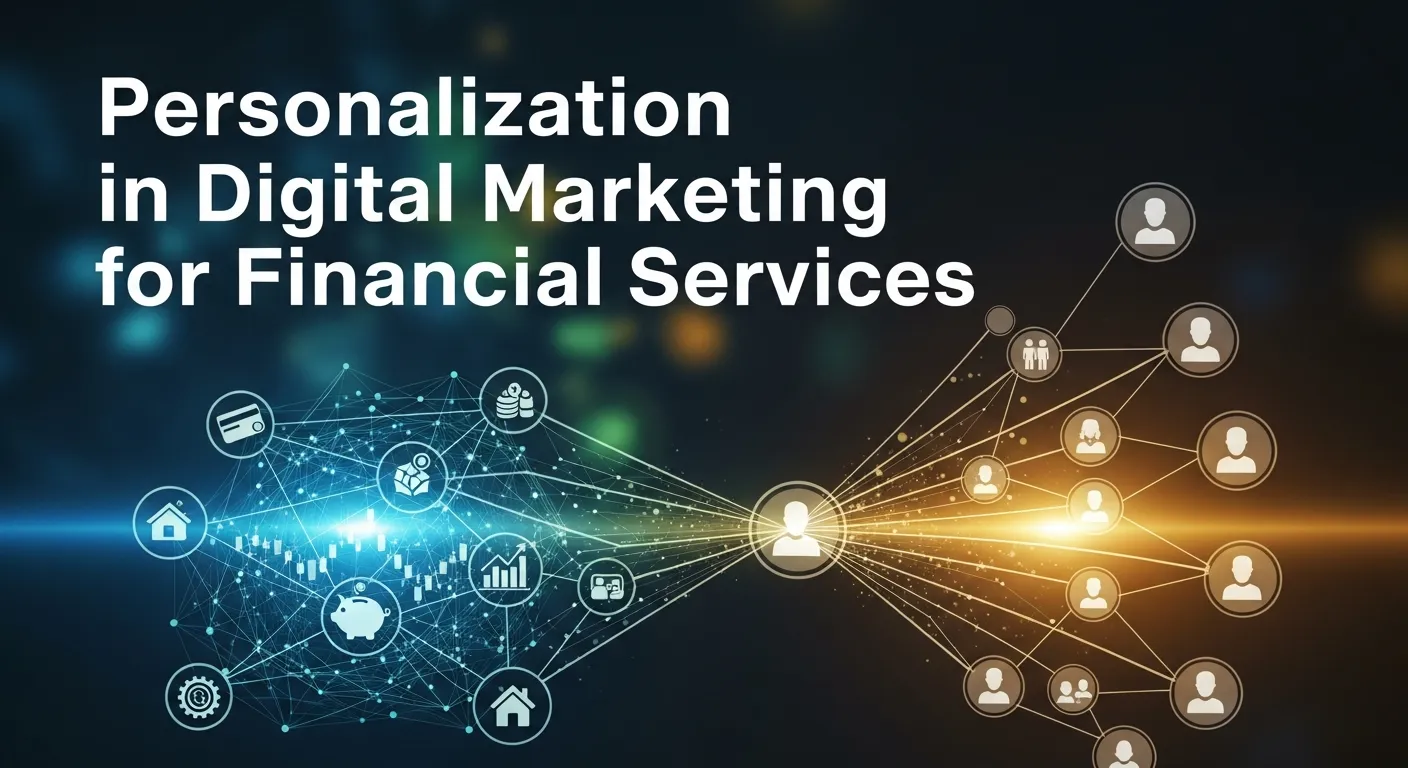
Personalization has become a powerful differentiator in Digital Marketing for Financial Services. Today’s customers expect tailored experiences based on their financial goals, behavior, and life stage—not generic messages.
By leveraging CRM data, analytics, and AI-driven tools, financial brands can deliver personalized content that feels relevant and timely.
Examples of effective personalization:
-
Customized email recommendations based on user behavior
-
Personalized landing pages for different customer segments
-
Targeted offers aligned with savings, investment, or loan needs
-
Dynamic website content based on location or browsing history
When personalization is done correctly, it increases engagement, trust, and long-term customer loyalty.
Paid Ads for Financial Services
Reaching a Wider Audience
PPC, or pay-per-click, can be a fast way to attract specific audiences. You can use platforms like Google Ads, Facebook Ads, and LinkedIn to use advanced targeting options that enable you to narrow your target to geography, demographics, and interests.
Work on writing attractive ad copy and compelling calls to action. A headline such as “Bultor Automatiserade Investeringar, semantically expressed via a visually attractive, secure landing page, could result in more conversions.
The Role of Landing Pages in Digital Marketing for Financial Services
Landing pages play a crucial role in converting traffic into leads in Digital Marketing for Financial Services. Even the best ads or emails will fail if they send users to poorly designed or confusing pages.
A high-performing financial services landing page should focus on clarity, reassurance, and action.
Key elements of an effective landing page:
-
Clear value proposition with minimal jargon
-
Prominent trust signals (licenses, security badges, testimonials)
-
Simple, short forms to reduce friction
-
Strong but compliant call-to-action (CTA)
Optimized landing pages significantly improve conversion rates while maintaining compliance standards.
Measurement and Analysis of Outcomes
Monitoring of Key Metrics and Data-Driven Decisions
One of the big benefits of digital marketing is the ease with which success can be measured. By tracking performance and continuously tweaking strategies using tools such as Google Analytics and social platform insights, financial services companies can maximize efficiencies.
Key indicators to watch out for:
-
Website Traffic
-
Conversion Rates
-
Search Rankings
-
Cost Per Acquisition (CPA)
-
Laddering value Customer Lifetime Value (CLTV)
Consistently monitoring these metrics allows you to see what’s working, where to double down, and how to pivot tactics.
Case Studies
Successful Campaigns as Examples
Borrow from financial service companies like these:
-
Ally Bank doubled its Instagram following with a clever, informative campaign.
-
Betterment slashed the cost of customer acquisition by advertising specific keyword-targeted ads on search engines.
-
American Express created brand loyalty with exclusive LinkedIn content targeting small businesses.
Campaigns like this make it abundantly clear that being creative does not necessarily preclude the customer from the equation.
The Future of Digital Marketing for Financial Services
Trends and Predictions
Digital marketing in financial services – the future will be enabled by technology and driven by customer expectations. Some rising trends include:
-
Personalization with AI: AI will make personalized experiences possible, including hyper-targeted email outreach and AI chatbots providing instant investment recommendations.
-
Better Mobile Experiences: Perfecting for mobile will be essential as more people access financial services through cellphones.
-
Voice Search Optimization: As voice assistants take off, digital marketers will have to adjust their SEO approaches to match conversational search queries.
The right PR partner can elevate your brand visibility and media presence. This guide outlines how to choose the best digital PR agency in New York based on your business needs and goals.
Conclusion
In an industry where trust, security, and credibility are non-negotiable, Digital Marketing for Financial Services requires a strategic and disciplined approach. Financial institutions that prioritize education over promotion, personalize customer experiences, and align marketing efforts with regulatory standards are best positioned for sustainable growth. As technology continues to evolve, brands that embrace data, AI, and customer-first digital strategies will not only stand out but also build lasting relationships in an increasingly competitive financial landscape.
FAQs: Digital Marketing for Financial Services
1. What is Digital Marketing for Financial Services?
Digital Marketing for Financial Services refers to promoting banking, fintech, insurance, and investment products through digital channels while maintaining compliance, trust, and transparency.
2. Why is digital marketing important for financial institutions?
It helps financial institutions build trust, educate customers, generate qualified leads, and stay competitive in a highly regulated market.
3. How is financial services marketing different from other industries?
It requires a stronger focus on compliance, longer decision cycles, risk disclosure, and educational content rather than aggressive promotion.
4. What are the most effective digital channels for financial services?
SEO, content marketing, email marketing, social media (LinkedIn especially), paid search ads, and personalized landing pages perform best.
5. How does SEO help financial services businesses?
SEO improves visibility in search results, attracts high-intent users, and positions financial brands as trusted authorities.
6. Why is content marketing important in financial services?
Content marketing educates users, simplifies complex topics, builds credibility, and supports informed financial decision-making.
7. What role does personalization play in digital marketing for financial services?
Personalization increases relevance, engagement, and conversions by delivering tailored content and offers based on user behavior and needs.
8. Are paid ads effective for financial services?
Yes, when used strategically with compliant messaging, targeted ads can generate high-quality leads quickly.
9. How do financial brands build trust through digital marketing?
By using transparent messaging, security indicators, regulatory disclosures, testimonials, and consistent communication.
10. What metrics should be tracked in financial services digital marketing?
Key metrics include website traffic, conversion rates, CPA, search rankings, engagement levels, and customer lifetime value (CLTV).
11. How does customer journey mapping improve marketing results?
It aligns content and messaging with each decision stage, reducing drop-offs and improving conversions.
12. What is the future of Digital Marketing for Financial Services?
The future includes AI-driven personalization, mobile-first experiences, voice search optimization, and data-led marketing strategies.






What Is Financial Technology (FinTech)? Everything You Need to Know
AI Credit Scoring: Revolutionizing SME Banking and Digital Loans
How Financial Technology Is Transforming Digital Payments
What Is Digital Financial Literacy?
How Tax Planning Helps Individuals and Businesses Save Money
How to Create a Retirement Planning Strategy That Works
How Digital Asset Management Improves Business Efficiency
The Importance of Risk Management in Modern Business