

Digital Financial Inclusion leverages mobile banking, digital wallets, AI, and blockchain to provide underserved communities with secure access to financial services. By combining technology with financial literacy and inclusive solutions, it empowers individuals, fosters economic growth, and strengthens community resilience globally.
Digital financial inclusion is reshaping how people access and use financial services. This transformation is not just about using mobile apps or online banking. It’s about creating fair and open financial systems that include everyone—especially those who were previously left out.
Around the world, many individuals, especially in rural or low-income areas, have long been excluded from traditional banking. They may not have access to physical bank branches or even basic services like savings accounts or credit. But today, digital tools are solving those problems in new and exciting ways.
Understanding the Core Concept

So, what is digital financial inclusion?
At its core, digital financial inclusion means using technology to make financial services available and affordable for everyone, particularly underserved communities. These services can include:
-
Mobile money
-
Digital wallets
-
Online lending platforms
-
Remote banking via smartphones
It’s more than just giving people access. It also ensures those services are useful, safe, and tailored to the needs of individuals who’ve never interacted with formal financial systems. To make inclusion work at scale, digital automation is becoming an essential part of the solution.
Why Digital Financial Inclusion Matters
In the past, opening a bank account required formal identification, paperwork, and sometimes even an initial deposit—things that millions of people didn’t have. Traditional banks operated in cities and wealthier neighborhoods, far from where help was truly needed.
Digital financial inclusion removes those barriers. With a simple mobile phone and a reliable internet connection, people can now store money, send payments, apply for loans, and protect their families with digital insurance.
This matters because access to financial tools changes lives. When individuals can manage money more effectively, they’re better equipped to handle emergencies, invest in education, and grow small businesses.
Real-World Impact on Underserved Communities
Consider a farmer in a rural area who cannot travel to a bank. With digital access, she can receive payments from buyers, purchase seeds, or even apply for weather-indexed insurance—all from her phone. This not only saves time but opens doors that were previously locked.
Or think about a woman starting a small home business in an urban slum. She can accept digital payments through mobile money and build a transaction history. That history helps her become eligible for a micro-loan to expand her business.
These aren’t hypothetical situations. They are real-world examples happening across Africa, South Asia, and parts of Latin America. In each case, digital inclusion isn’t just about convenience. It’s about dignity, opportunity, and growth.
Key Technologies Powering Digital Inclusion
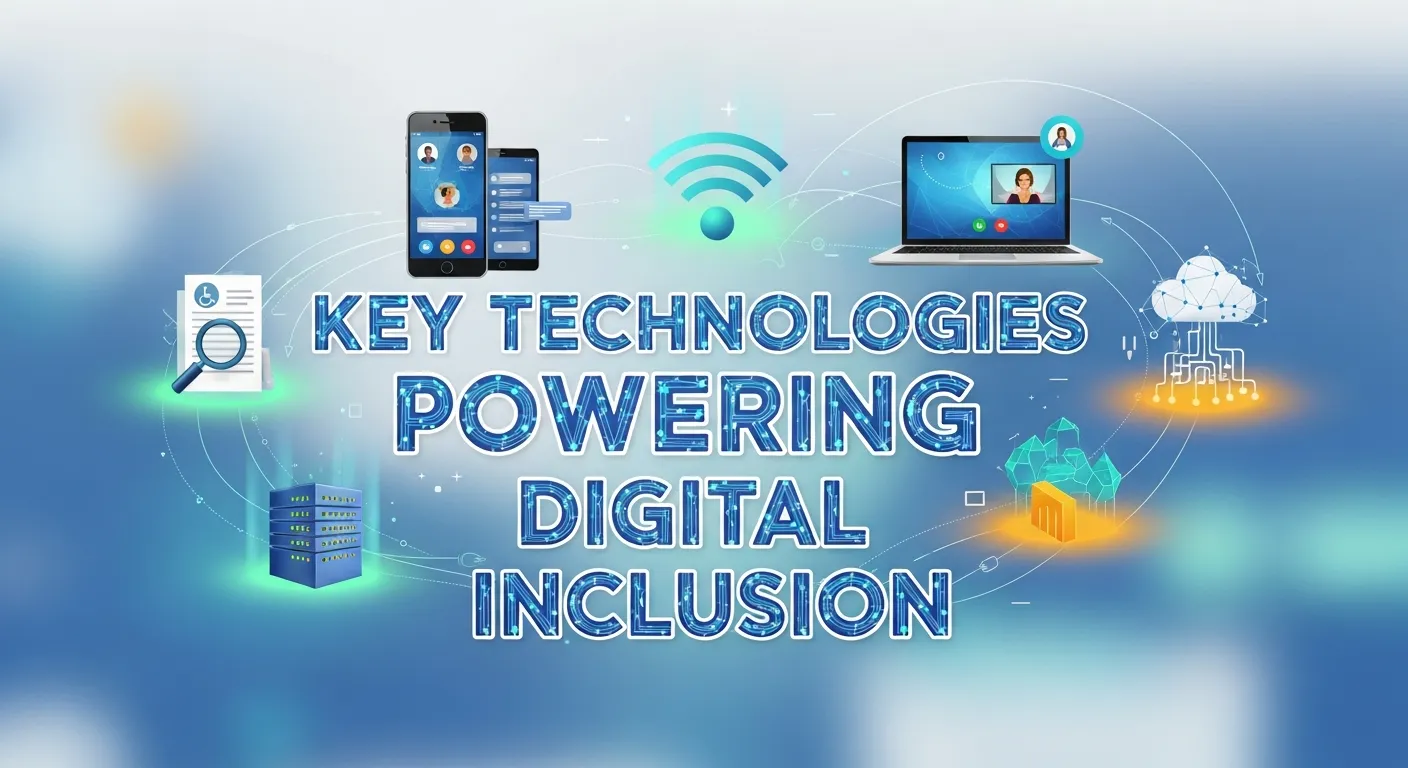
A few innovations stand out in enabling digital financial inclusion:
Mobile Money Platforms
These services allow people to store and transfer money using their phones. In countries like Kenya, services like M-PESA have helped millions manage their finances without needing a traditional bank account.
Biometric Identification
Fingerprints and facial recognition make it possible for people without formal ID documents to verify their identity securely.
USSD Technology
This allows people to access banking features even without a smartphone or internet. With simple codes dialed from a basic phone, users can check balances and send money.
Blockchain and Fintech Apps
Emerging solutions are using blockchain to create transparent, tamper-proof financial records. Meanwhile, fintech companies are designing user-friendly apps for budgeting, saving, and borrowing.
Emerging Innovations Enhancing Inclusion
Digital financial inclusion continues to evolve with cutting-edge technologies that reach underserved populations more effectively than ever. These innovations address gaps in accessibility, affordability, and usability while introducing new opportunities for financial empowerment.
-
AI-Powered Credit Scoring – Uses alternative data, like mobile phone usage and transaction patterns, to assess creditworthiness for people without formal credit history.
-
Voice and Chat-Based Banking – Enables individuals with low literacy or no smartphone to access financial services using simple voice commands or messaging platforms.
-
IoT-Enabled Micro-Insurance – Sensors and smart devices can track health, agriculture, or weather conditions to offer tailored micro-insurance policies.
-
Digital Cooperatives – Community-based fintech platforms allow small groups to pool resources and access loans collectively, boosting trust and reducing risk.
These emerging solutions are closing inclusion gaps by making financial tools more intuitive, automated, and accessible, even in regions with limited infrastructure.
By leveraging these technologies, communities that were once excluded from the formal financial system can now participate in complex financial activities, fostering independence and resilience.
Bridging the Gap Between Access and Usage
While technologies like mobile money and biometric identification expand access, true financial inclusion depends on actual usage. Many people may have accounts or digital wallets but fail to leverage them effectively due to lack of knowledge or confidence. Financial literacy programs integrated with digital tools are crucial to ensure that inclusion is not just nominal. When individuals understand budgeting, savings, and credit management, they can harness the full potential of digital finance to improve their livelihoods.
Challenges in Achieving True Inclusion
While progress is happening fast, there are still obstacles. Some of the major challenges include:
Digital Literacy
Many people still don’t know how to use mobile phones for financial tasks. Training and education remain key.
Trust Issues
People who’ve never used formal financial services may be skeptical of digital tools. They need to feel secure and confident that their money is safe.
Infrastructure Gaps
Some areas still lack internet connectivity or stable mobile networks. Without these, digital financial tools can’t function reliably.
Regulatory Barriers
In some regions, outdated banking laws or strict regulations make it difficult for new services to operate freely.
Comparative Global Models
Different countries have approached digital financial inclusion in unique ways, reflecting variations in infrastructure, policy, and socioeconomic contexts. A comparative overview demonstrates how strategies adapt to local realities.
| Country | Key Initiative | Target Population | Outcome |
|---|---|---|---|
| India | Jan Dhan Yojana + biometric ID | Rural and urban underserved | 400+ million new accounts; increased banking participation |
| Kenya | M-PESA Mobile Money | Rural population, informal workers | 50%+ adult population using mobile money; lifted households out of poverty |
| Bangladesh | bKash Mobile Wallet | Urban slums and rural areas | Facilitated 1.5+ billion transactions per year; enabled small business growth |
| Brazil | Digital Microfinance Programs | Low-income urban residents | Improved access to micro-loans and financial literacy training |
This table shows that while the tools differ, the common goal is to bridge financial gaps and empower underserved populations. Lessons from one region can inform initiatives elsewhere, adapting best practices for local conditions.
Governments and Organizations Making a Difference
Across the globe, governments and international organizations are stepping in to support digital financial inclusion. Many are doing so by:
-
Creating supportive policies for mobile banking
-
Encouraging innovation in fintech
-
Investing in rural internet infrastructure
-
Partnering with private companies to develop secure platforms
For instance, India’s “Jan Dhan Yojana” program has opened millions of zero-balance bank accounts and linked them with biometric identity systems. In Bangladesh, mobile financial services like bKash are helping people send and receive money securely, even without a formal address.
These programs demonstrate that with the right collaboration, it’s possible to create financial ecosystems that serve everyone.
The Role of Public-Private Partnerships
Collaboration between governments, fintech startups, and traditional banks is driving the rapid expansion of digital financial inclusion. Public-private partnerships allow for shared expertise, infrastructure investment, and risk mitigation. For example, joint initiatives can combine government-backed ID systems with mobile banking apps, ensuring both security and reach. Such collaborations accelerate innovation while addressing social needs, making financial services more universally available and tailored to local contexts.
Financial Literacy as a Catalyst
Access alone is insufficient for true inclusion. Financial literacy programs are critical to help people use digital tools effectively and make informed decisions about savings, credit, and investment.
-
Gamified Learning Platforms – Mobile apps that teach budgeting and loan management through interactive games.
-
Community Workshops – Local organizations and fintech providers educate rural and urban populations about digital services.
-
Integrated Learning in Apps – Fintech platforms provide tutorials and reminders directly within their apps to encourage responsible financial behavior.
-
Peer Mentorship Programs – Experienced users guide newcomers, helping them navigate financial tools and build confidence.
Investing in literacy ensures that digital financial services translate into tangible benefits, such as improved income management, business growth, and long-term financial resilience.
It also strengthens trust in digital platforms, encouraging sustained engagement and empowering communities to break cycles of poverty.
The Road Ahead: A More Inclusive Financial Future
Digital financial inclusion is not a trend—it’s the future of finance. As more people come online, the pressure to build systems that include everyone will grow. This future includes:
- Transparent financial histories
- Custom micro-insurance plans
- AI-driven credit scoring
- Access to global markets for even the smallest businesses
But progress must be thoughtful. Developers, banks, and governments must ensure services are simple, secure, and centered around real human needs—not just profits or flashy tech.
Digital financial inclusion should empower, not overwhelm. When done right, it doesn’t just open accounts—it opens opportunities.
Empowering Marginalized Communities
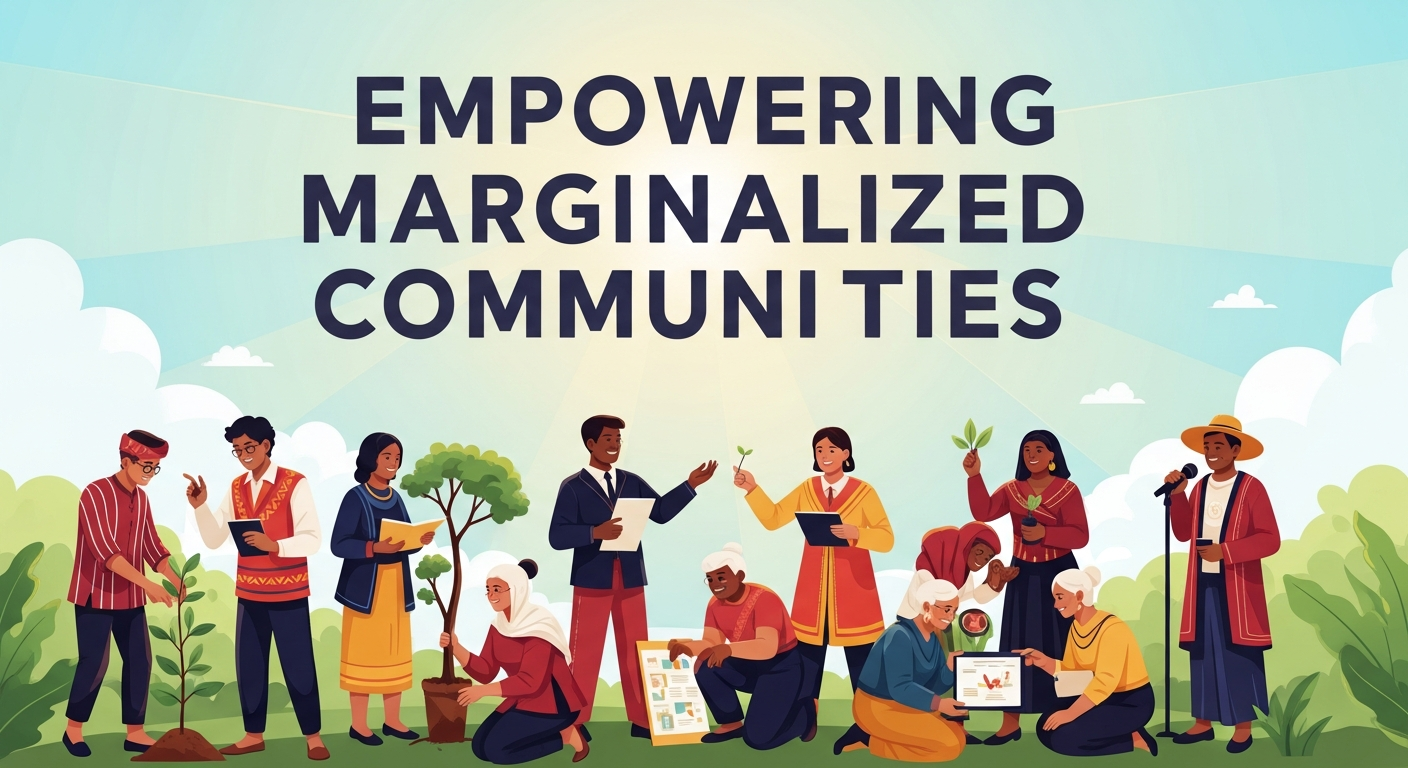
Digital financial inclusion has a transformative effect on marginalized populations. Women, rural workers, and micro-entrepreneurs gain autonomy over their finances and are able to participate in broader economic activities. Access to loans, savings, and insurance empowers them to invest in education, expand small businesses, and protect against unforeseen emergencies. The long-term social impact extends beyond individual users, contributing to economic growth, gender equality, and community resilience.
Final Thoughts
So, what is digital financial inclusion? It’s a new way to think about money and access. It’s about ensuring no one is left behind, whether they live in a remote village or an underserved urban community.
This isn’t just a technological challenge. It’s a moral one. Because financial exclusion is often the first step toward deeper inequality. And digital financial inclusion could be the key to unlocking prosperity for millions.
With the right tools, knowledge, and intent, we can build a financial system that works for everyone. That’s the promise of digital financial inclusion—and it’s one worth striving for.
Frequently Asked Questions on Digital Financial Inclusion
1. What is Digital Financial Inclusion?
Digital Financial Inclusion refers to using technology to make financial services accessible, affordable, and usable for everyone, particularly underserved populations who lack access to traditional banking systems.
2. Why is Digital Financial Inclusion important?
It reduces financial exclusion, empowers marginalized communities, promotes economic growth, improves financial resilience, and enables people to manage money effectively in both daily life and long-term planning.
3. What services are included in Digital Financial Inclusion?
Key services include mobile money, digital wallets, online lending platforms, digital insurance, and remote banking via smartphones or basic mobile devices.
4. Who benefits most from Digital Financial Inclusion?
Rural populations, low-income households, women entrepreneurs, small business owners, and individuals without formal identification gain the most, as they can now participate in the formal financial ecosystem.
5. How does technology support Digital Financial Inclusion?
Technologies such as mobile apps, USSD codes, biometric identification, AI-powered credit scoring, and blockchain facilitate secure, accessible, transparent, and efficient financial services.
6. What role does financial literacy play in Digital Financial Inclusion?
Financial literacy equips individuals to use digital tools responsibly, make informed decisions, budget effectively, save, borrow wisely, and fully benefit from financial inclusion.
7. Can Digital Financial Inclusion help small businesses?
Yes. It allows small businesses to receive digital payments, establish financial histories, access loans, manage accounts, and expand operations efficiently, even without traditional banking support.
8. What challenges does Digital Financial Inclusion face?
Challenges include low digital literacy, lack of trust in digital systems, limited infrastructure, and regulatory or policy barriers that can hinder access in certain regions.
9. How do governments contribute to Digital Financial Inclusion?
Governments support inclusion through enabling policies, national ID programs, banking regulations, rural internet infrastructure development, and strategic partnerships with fintech companies.
10. What are some global examples of Digital Financial Inclusion?
Successful models include India’s Jan Dhan Yojana, Kenya’s M-PESA, Bangladesh’s bKash, and Brazil’s digital microfinance programs, which provide practical insights for other regions.
11. How do public-private partnerships enhance Digital Financial Inclusion?
These collaborations combine resources, technology, and expertise to expand access, improve security, and reach underserved communities more effectively, bridging gaps that neither sector could achieve alone.
12. What is the long-term impact of Digital Financial Inclusion?
It empowers individuals, fosters gender equality, supports entrepreneurship, reduces poverty, strengthens community resilience, and creates a more inclusive, economically active society.





What Is Digital Financial Literacy?
The Rise of Financial Avatars: How AI Will Represent You in Future Banking
How Business Finance Drives Better Business Planning and Growth
What is a Fintech Company?
How Digital Banking Is Changing the Future of Financial Management
How Financial Consulting Supports Sustainable Business Growth
How Business Finance Drives Better Business Planning and Growth
How Wealth Management Helps You Achieve Your Financial Goals