
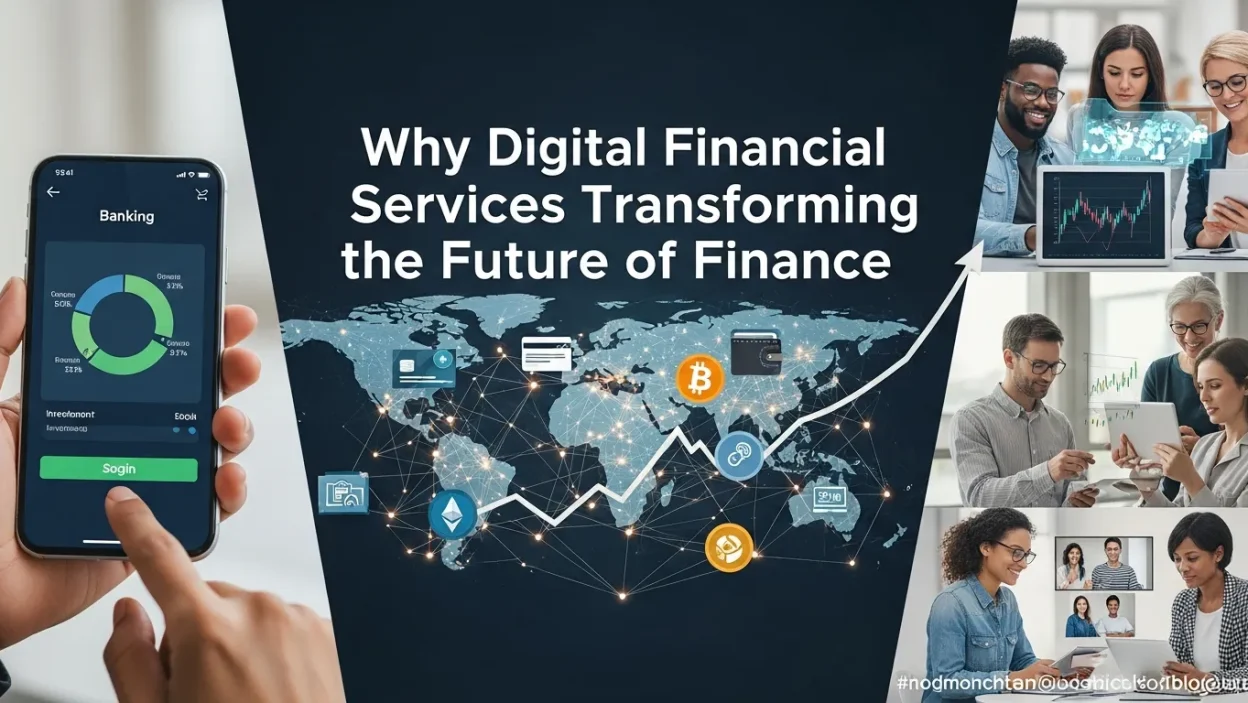
Digital Financial Services (DFS) are reshaping how individuals and businesses interact with money by making financial activities faster, more accessible, and technology-driven. From mobile payments and online banking to AI-powered tools and blockchain systems, DFS promotes efficiency, inclusion, and innovation. While challenges like cybersecurity, regulation, and digital access remain, strong digital financial literacy and trust-focused systems will ensure DFS continues to drive a more inclusive and resilient global financial future.
The financial world has seen major changes over the last few years. Central to this revolution are digital financial services (DFS)—an environment that is changing the way people and enterprises engage with money.
Have you scanned your phone and paid for your coffee in seconds? Have you ever opened a bank account completely online? Or sent money across borders in seconds, for that matter? These are just a few instances of how digital financial services are creating opportunities for financial transactions to occur more quickly, more easily, and on a broader scale than ever before.
Defining Digital Financial Services
Digital Financial Services Digital financial services are financial products and services that are made available through digital channels, including mobile banking applications and peer-to-peer loan services. They include mobile payments and digital wallets as well as blockchain-based systems and online insurance platforms.
The key differentiator for DFS is that it is centered on networks, platforms, and technology being used to connect financial services, transactions, and tools. They are an essential part of day-to-day money management for consumers and businesses.
Core Components of Digital Financial Services
Digital Financial Services function as an interconnected ecosystem rather than isolated tools. At their core, these services rely on digital platforms, cloud infrastructure, secure payment gateways, and data-driven systems to deliver seamless financial experiences. From mobile wallets to digital lending platforms, DFS integrates technology with finance to simplify money management for both individuals and businesses.
-
Mobile banking and digital wallets enable instant payments and transfers
-
Online lending platforms streamline credit access
-
Digital insurance and wealth platforms automate policy management
-
Blockchain systems improve transparency and transaction integrity
| DFS Component | Description | Real-World Example |
|---|---|---|
| Mobile Payments | Cashless transactions via smartphones | Apple Pay, Google Pay |
| Digital Lending | Online credit assessment & loans | Klarna, LendingClub |
| Digital Insurance | Policy purchase & claims online | Lemonade |
| Blockchain Finance | Decentralized & transparent records | Ethereum-based platforms |
Together, these components form the backbone of modern Digital Financial Services, enabling faster, smarter, and more inclusive financial interactions.
The Rise of Digital Finance: A Brief History
The beginning of digital finance dates to the late 20th century, including the adoption of ATMs and electronic funds transfers. While a technological revolution and an explosion of the internet had followed over time, nothing had shaken the world like those events.
The early 2000s also saw a rise in popularity of platforms like PayPal, helping clear a path for an explosion of startups focused on financial technology (“fintech”). In the 2010s, mobile phones and mobile payment systems have become increasingly widespread, which prompted the development of mobile wallets and on-device financial transactions.
Today, digital finance services are a worldwide sensation. Countries such as China and India are at the forefront of mobile wallet use, whereas developed markets are leveraging blockchain in payments for greater financial resilience and speed.
Benefits of Digital Financial Services
Digital financial services have gained popularity for a reason (or several reasons, to be precise). These services provide unique advantages that conventional banking and finance systems often fail to offer.
Accessibility and Convenience
One of the greatest strengths of DFS is how readily accessible it is. All one needs is a smartphone and a connection to the internet to conduct transactions, pay bills, apply for loans, or execute a trade in stocks from just about anywhere in the world.
In rural and other unbanked and underbanked areas, DFS replaces the need for brick-and-mortar facilities and initiates a breach of necessary financial resources. Services 24/7 No more long lines or time restrictions at the bank.
Cost Efficiency
The costs for providers and their customers are vastly lower for digital financial services. Clearinghouses, physical infrastructure, and middlemen are no longer needed, which can substantially reduce fees and cut transaction times.
For example, digital remittance solutions, like Wise (formerly TransferWise), enable people to transfer money across borders for a fraction of what wire transfer services charge.
Financial Inclusion
DFS has a crucial role to play in addressing barriers to financial services, particularly in areas where access is poor. Almost 1.4 billion adults around the world are who the World Bank calls unbanked. Mobile banking services such as M-Pesa in Kenya have demonstrated how DFS can allow people to reach their potential by enabling access to savings accounts, means to borrow, and methods for making payments.
Innovation and Customization
Digital financial services utilize sophisticated tools such as artificial intelligence (AI) and data analytics to offer solutions that are individually adaptable. AI financial assistants offer tailor-made budgeting advice, and robo-advisors can assist with investment management.
Not only that, newer blockchain-based services and DeFi platforms have further disrupted the trust and transparency associated with financial transactions.
How Digital Financial Services Are Reshaping Consumer Behavior
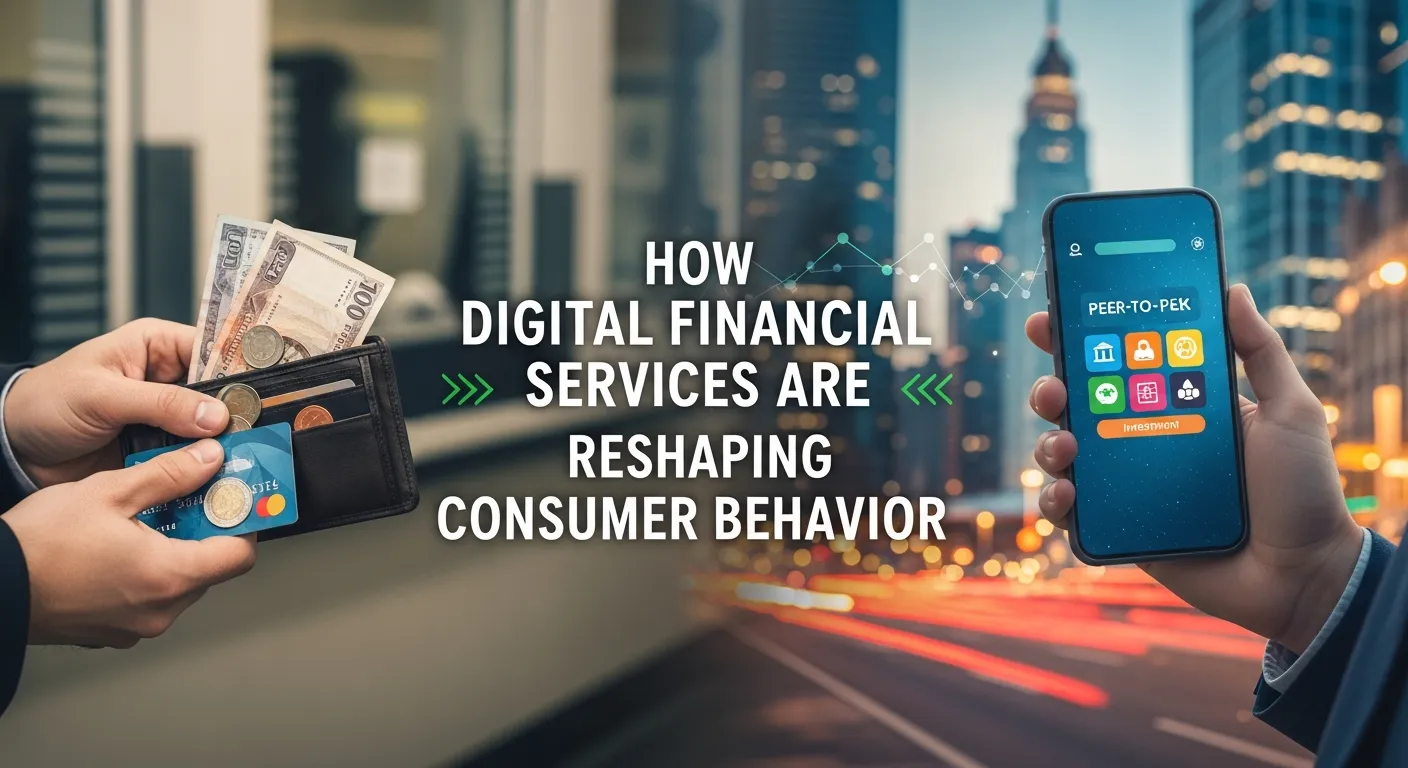
Digital Financial Services are not only transforming institutions—they are redefining how consumers think about money. Instant access, real-time insights, and personalized financial tools have shifted expectations. Users now demand frictionless experiences, transparency, and control over their finances at all times.
-
Consumers expect instant payments and real-time balances
-
Personalized financial insights drive smarter decisions
-
Digital trust is becoming as important as brand trust
-
Cash usage continues to decline in favor of mobile solutions
| Consumer Expectation | Traditional Finance | Digital Financial Services |
|---|---|---|
| Transaction Speed | Hours or days | Seconds |
| Access | Limited banking hours | 24/7 availability |
| Personalization | Generic services | AI-driven customization |
| Transparency | Limited visibility | Real-time tracking |
This behavioral shift confirms that Digital Financial Services are becoming the default mode of financial interaction rather than an alternative.
Challenges and Risks
Despite its undeniable potential, the rapid growth of digital financial services is not without its challenges. Understanding these obstacles is crucial to creating a more secure and inclusive financial landscape.
Security Concerns
Cybersecurity threats are a significant issue in the digital financial ecosystem. Hackers, data breaches, and identity theft pose risks to consumers and businesses alike. Securing sensitive financial data remains paramount for service providers.
For instance, high-profile breaches like the Equifax data leak serve as a stark reminder of the vulnerabilities within digital systems.
Regulatory Issues
Governments and regulatory bodies often struggle to keep pace with the speed of financial innovation. Varying regulations across jurisdictions can create barriers for businesses operating internationally, while unclear regulatory frameworks can stifle innovation.
The Digital Divide
Access to digital financial services still depends on access to technology and internet connectivity. For those in low-income or remote areas without reliable internet access or smartphones, the benefits of DFS remain out of reach. Bridging this digital divide is an ongoing challenge for global financial inclusion initiatives.
Building Trust in Digital Financial Services
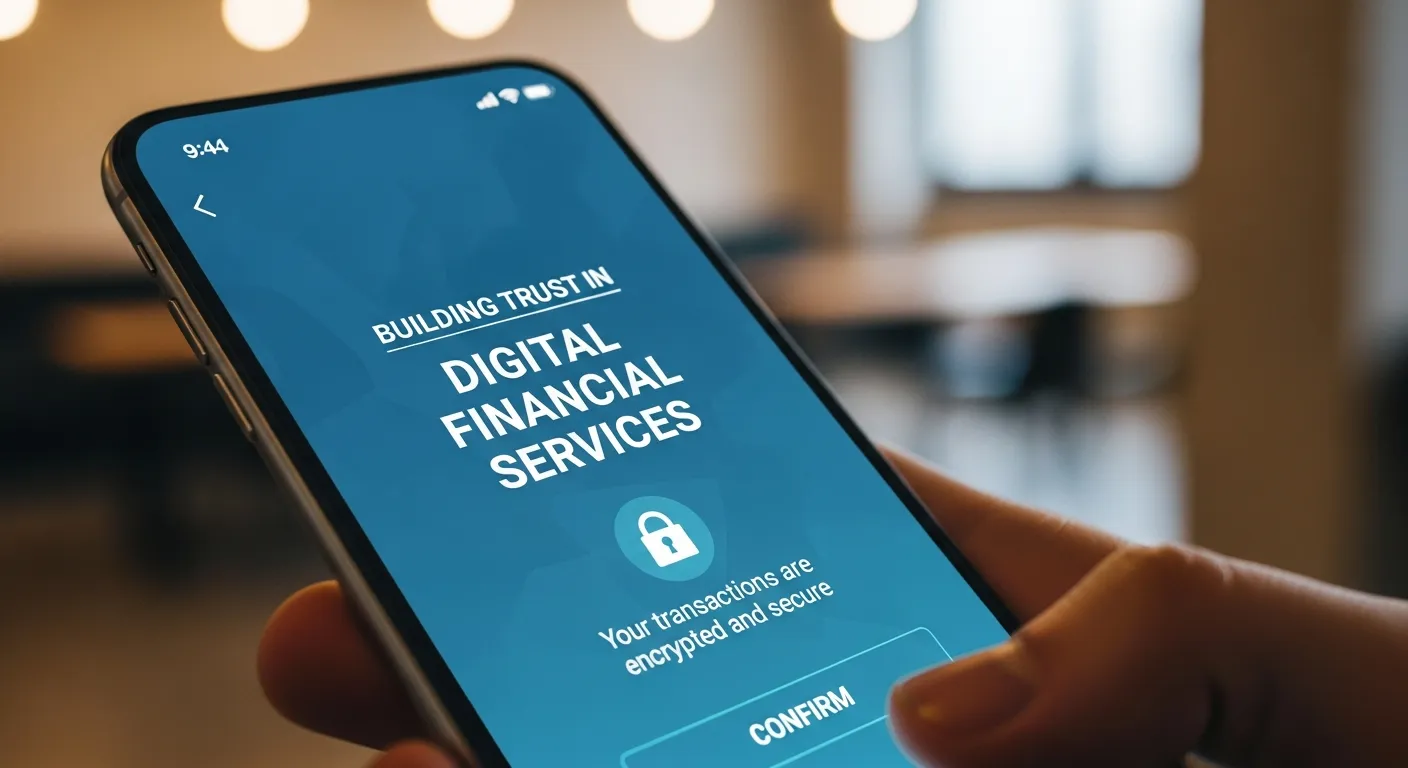
Trust sits at the heart of Digital Financial Services, especially as more financial activities shift to digital platforms. Users depend on technology to protect their personal information, digital identities, and financial assets. To earn and sustain this trust, providers must invest in robust cybersecurity systems, apply clear and transparent data practices, and use customer information responsibly. Strong regulatory alignment and ethical technology use help create a Digital Identity Verification in Finance environment where users feel confident engaging in online financial services.
The Future of Digital Financial Services
The future of DFS is both exciting and dynamic. Emerging technologies such as blockchain, AI, 5G connectivity, and the Internet of Things (IoT) are poised to take digital finance to new heights.
- Blockchain technologies are enhancing financial transparency, security, and the decentralization of systems, while addressing issues like fraud and back-office inefficiencies.
- AI advancements continue to enable more sophisticated personalization, risk management, and efficiency in financial services.
- Central Bank Digital Currencies (CBDCs) are being piloted by countries like China, aiming to modernize traditional monetary systems.
These developments signal not only the advancement of digital finance but also its growing centrality in how economies function.
Why Businesses and Individuals Should Adapt to DFS
For those who are still leery of digital finance on a day-to-day basis, that momentum should say something. For organizations this means increased efficiency, cost control, and happy customers, and for individuals it equals access, convenience, and empowerment.
It doesn’t stop there, either: Adapting early also means keeping up in a world where a degree of digital financial proficiency will likely be a key driver of personal and professional stability.
Revolutionize Your Finances
The trend toward digital financial services is more than that — it represents a move toward a more efficient, inclusive, and safe financial future. By leveraging these new technologies, people today — and companies, too — can access new opportunities and flourish in a global economy that is becoming ever more dependent on digital connectivity.
Whether you’re interested in offerings such as mobile banking apps or are interested in implementing blockchain solutions for your business, one thing is certain—we are midway through a digital revolution. Don’t get left behind.
Digital Financial Literacy: A Critical Skill for the Future

As Digital Financial Services become an integral part of daily life, financial literacy must evolve beyond traditional budgeting and banking knowledge to include technology-driven financial tools and platforms. Individuals increasingly need to understand how digital wallets operate, how online security measures protect personal and financial data, and how AI-powered tools and blockchain-based systems influence payments, lending, investing, and savings decisions.
Strong digital financial literacy helps users identify hidden fees, avoid online scams, and navigate complex digital platforms with confidence. It also enables people to evaluate financial products more critically, adapt to rapidly changing technologies, and make informed decisions in both personal and professional contexts. As the global economy becomes more digital, building these skills will be essential for financial independence, risk management, and long-term economic stability.
Conclusion: The Digital Future of Finance
Digital Financial Services have moved from being a convenience to becoming the foundation of modern financial systems. By improving accessibility, efficiency, and personalization, DFS is reshaping how individuals and businesses manage money. While challenges such as security, regulation, and digital literacy remain, continued innovation and responsible adoption are paving the way for a more inclusive, transparent, and resilient financial future. Embracing Digital Financial Services today is no longer optional—it is essential for staying relevant in an increasingly digital global economy.
Frequently Asked Questions (FAQs)
1. What are Digital Financial Services (DFS)?
Digital Financial Services refer to financial products and services delivered through digital channels such as mobile apps, online platforms, and blockchain networks, including payments, savings, lending, insurance, and investments.
2. How do Digital Financial Services differ from traditional finance?
Traditional finance relies on physical branches and manual processes, while DFS offers online, real-time access, lower costs, faster transactions, and technology-driven personalization.
3. Are Digital Financial Services secure?
Most DFS platforms use advanced security measures like encryption, biometric verification, and multi-factor authentication, though users must also practice safe digital habits.
4. What role does blockchain play in Digital Financial Services?
Blockchain provides transparent, tamper-resistant transaction records, improves trust, reduces fraud, and supports decentralized financial systems.
5. How do Digital Financial Services support financial inclusion?
DFS allows people without access to traditional banks to use mobile phones for payments, savings, and credit, especially in underserved and rural areas.
6. Can DFS reduce financial costs for users?
Yes. Digital platforms reduce operational expenses, allowing providers to offer lower fees, cheaper remittances, and more affordable financial products.
7. What risks are associated with Digital Financial Services?
Common risks include cyberattacks, data privacy concerns, regulatory uncertainty, and unequal access due to limited internet or device availability.
8. How is artificial intelligence used in DFS?
AI is used for fraud detection, automated customer support, personalized financial advice, credit scoring, and investment management.
9. What are digital wallets and how do they work?
Digital wallets store payment details securely and allow users to make cashless transactions, transfer money, and manage digital assets via smartphones.
10. What are Central Bank Digital Currencies (CBDCs)?
CBDCs are digital versions of national currencies issued by central banks to improve payment efficiency, security, and monetary control.
11. Why is digital financial literacy important today?
Digital financial literacy helps individuals understand digital tools, avoid scams, manage online risks, and make informed financial decisions.
12. How can businesses adapt to Digital Financial Services?
Businesses should adopt secure digital platforms, comply with regulations, use data-driven insights, and focus on building customer trust in digital environments.






What is a Fintech Company?
Digital Twin Technology in Finance: How Virtual Models Are Transforming Risk Management
What Is Digital Financial Literacy?
Google Pay in Bangladesh: Expediting Fintech and Digital Inclusion
Market basket analysis: Transforming Education Through Calm and Focus
Zero-Knowledge Proofs: Transforming Education Through Calm and Focus
Blockchain Interoperability in Education
Bridging the Unbanked Gap with Mobile Digital Finance