
Digital Financial Inclusion is reshaping how people and businesses access financial services through mobile technology, AI, blockchain, and digital platforms. By expanding affordable access to payments, savings, credit, and insurance, digital finance empowers underserved populations, supports small businesses, and strengthens economic resilience. While challenges like connectivity, literacy, and regulation remain, innovation continues to drive a more inclusive global financial ecosystem.
Digital financial services are evolving rapidly, influencing how individuals and businesses access, manage, and interact with money. This wave of transformation, driven by cutting-edge innovation, is not just tweaking old systems but completely redefining them. Ensuring digital financial inclusion for underserved populations worldwide is now at the core of this evolution, blending innovation with accessibility.
What is Digital Financial Inclusion?
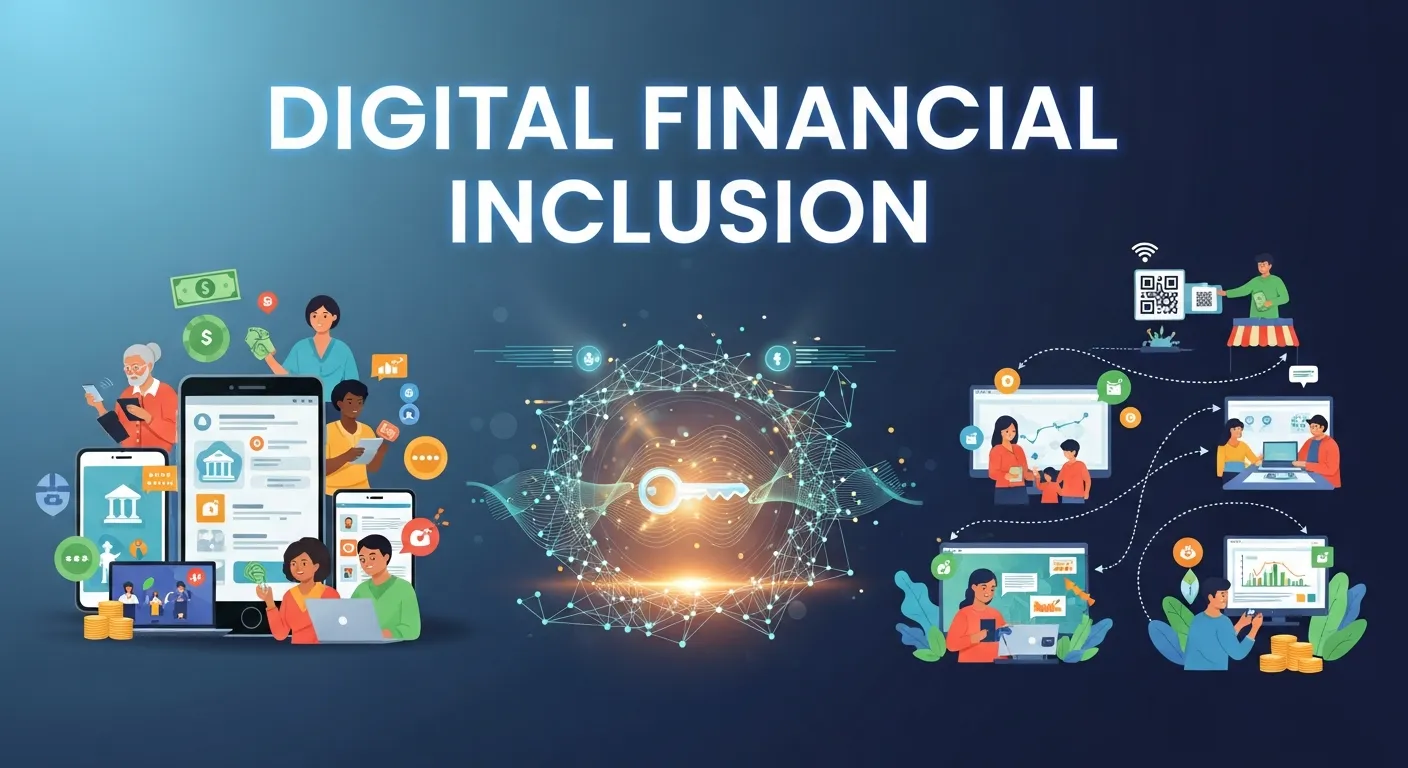
Digital financial inclusion refers to the efforts and systems that ensure individuals and communities, especially underserved populations, can access financial products and services affordably. These services include savings, payments, credit, and insurance, often delivered via mobile devices, digital applications, and online platforms.
The significance lies not only in offering financial opportunities but also in empowering diverse populations, ultimately contributing to greater economic equality. Yet, inclusion doesn’t occur automatically. Challenges like accessibility, financial literacy, and regulatory obstacles must be tackled to create an equitable system.
Let’s explore how innovation is stepping in to balance this equation.
The Growing Importance of Digital Financial Inclusion in a Digital Economy
As economies become increasingly digital, Digital Financial Inclusion has emerged as a critical foundation for sustainable growth. Access to digital financial services enables individuals and businesses to participate actively in the modern economy, reducing dependency on cash-based systems and informal financial practices.
By integrating underserved populations into formal financial networks, Digital Financial Inclusion helps unlock productivity, improve income stability, and strengthen economic resilience.
Why Digital Financial Inclusion is essential today:
- Expands access to formal financial services beyond traditional banks
- Reduces transaction costs for low-income users
- Encourages savings and responsible borrowing
- Supports economic participation in remote and rural regions
Key Drivers of Digital Financial Innovation
Several technological advancements are driving the next wave of financial inclusion. Here’s how they are shaping the industry:
Digital Financial Inclusion and Small Business Growth
Small and micro-enterprises are among the biggest beneficiaries of Digital Financial Inclusion. Digital payment systems, mobile banking, and alternative credit models allow businesses to operate more efficiently and access financing that was previously unavailable.
With digital transaction histories, small businesses can build financial credibility, making it easier to secure loans and expand operations.
How Digital Financial Inclusion supports small businesses:
- Enables access to digital payments and online marketplaces
- Creates transaction records for credit assessment
- Improves cash flow management through digital tools
- Reduces reliance on informal lenders
Mobile Technology
Mobile technology has already transformed the way people interact with financial services. According to the GSMA’s 2023 report, mobile money accounts surpassed 1.5 billion globally, impacting individuals who previously had no access to traditional banks. Mobile platforms like M-Pesa in Kenya have demonstrated the repercussions as entire economies begin to rely on these systems for payments, savings, and investments.
Why is mobile technology pivotal?
- It reduces the need for physical banking infrastructure.
- It brings services straight to rural and remote populations.
- It supports microtransactions, increasing affordability for low-income users.
Blockchain and Cryptocurrencies
Blockchain technology goes beyond the utility of cryptocurrencies like Bitcoin. It offers a transparent, secure ledger system that can simplify cross-border payments or manage identity systems for the unbanked. One example is “Project Dunbar,” a collaboration led by the Bank for International Settlements, which explores how blockchain-enabled central bank digital currencies (CBDCs) could enhance cross-border payments.
Cryptocurrencies also present unique opportunities for financial inclusion. Decentralized finance (DeFi) removes intermediaries in financial transactions, giving users the power to borrow, lend, and trade assets without relying on traditional financial institutions.
Artificial Intelligence in Financial Services
Artificial Intelligence (AI) is rapidly transforming credit scoring models, fraud detection, and personalized customer experiences. For example, AI-powered chatbots make banking services accessible in multiple local languages, lowering barriers for non-English speakers.
Another noteworthy application includes alternative credit assessments. By analyzing unconventional data such as mobile payment history or utility bills, AI ensures fairer credit evaluations for individuals without formal banking records, opening doors to financing.
Digital Wallets and Payment Platforms
Digital wallets like PayPal, Venmo, and Google Pay are driving seamless payment experiences. These platforms don’t only enable easy peer-to-peer transactions but also empower small businesses, allowing them to accept contactless payments. Digital wallets bridge gaps between physical infrastructure and technology, emphasizing their role in advancing financial inclusion.
Open Banking
Open banking initiatives allow third-party developers to access financial data securely to build user-oriented apps and services. By enhancing financial transparency and enabling broader data utilization, open banking better serves both customers and businesses.
For instance, a micro-entrepreneur can link their transactional data to financial management software, gain more accurate cash flow insights, and improve their borrowing potential.
Challenges on the Road to Inclusion
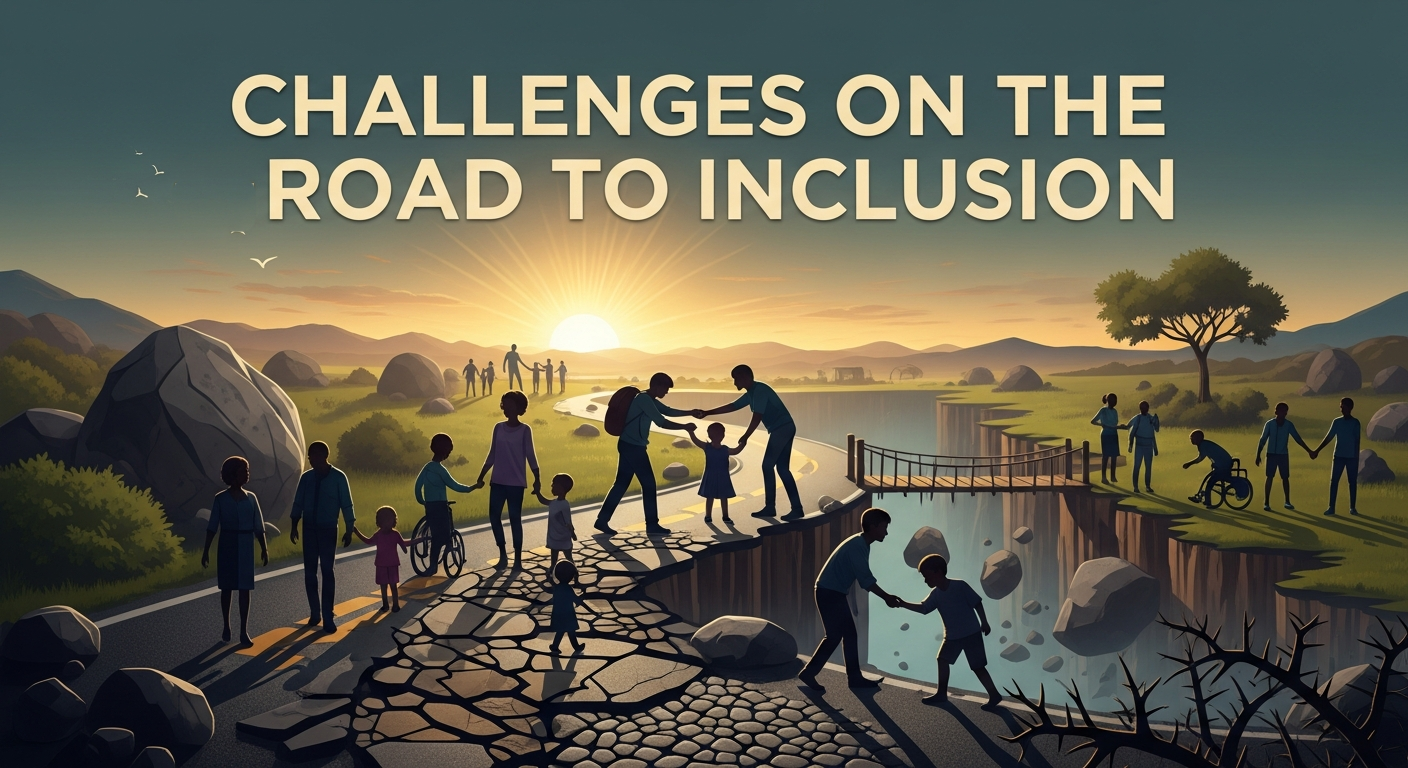
While innovation holds promise, the global landscape poses significant challenges:
Bridging the Digital Divide Through Inclusive Financial Systems
Despite rapid innovation, gaps in access remain a major obstacle to Digital Financial Inclusion. Addressing these gaps requires collaboration between governments, financial institutions, and technology providers.
Inclusive financial systems focus not only on access but also on usability, affordability, and trust—ensuring digital tools truly serve the needs of diverse populations.
Key focus areas for expanding Digital Financial Inclusion:
-
Affordable smartphones and internet connectivity
-
Simple, multilingual, and intuitive digital interfaces
-
Consumer protection and data security
-
Financial education and digital literacy programs
1. Connectivity and Infrastructure
Digital financial inclusion heavily relies on internet penetration and mobile device access. Unfortunately, according to the World Bank, about 2.7 billion people remain offline, disproportionately affecting rural and underserved communities.
2. Financial Literacy Gaps
Ease of access to financial services doesn’t guarantee that users fully understand them. A lack of financial literacy can lead to misuse, overborrowing, and poor financial planning, particularly when interacting with new digital tools.
3. Regulatory Hurdles
Governments often face challenges enforcing regulatory frameworks that keep up with technological advancements. Balancing security, trust, and innovation is delicate, but necessary, for fostering inclusive ecosystems.
4. Trust and Security Concerns
Cybersecurity threats, such as identity theft or data breaches, can erode trust in digital platforms. For individuals unfamiliar with online systems, these risks can act as deterrents to adoption.
Innovative Solutions to Drive Accessibility
The challenges above are daunting but far from insurmountable. Here’s how the fintech ecosystem is working to resolve them:
Affordable Devices and Connectivity
Starts-ups and NGOs are working to close the connectivity gap. Companies like KaiOS Technologies are developing inexpensive smart devices packed with essential digital applications. They’ve collaborated with mobile network operators to create better access to digital financial products.
Simplified User Interface Design
Fintech platforms are harnessing design principles to ensure user-friendliness. Features like voice-based commands (adapted to regional dialects) and visual tutorials are helping people with lower literacy levels gain confidence in using these platforms.
Regulatory Sandboxes
Many countries are launching “regulatory sandboxes,” which allow fintech companies to experiment with innovative solutions under controlled environments. This approach fosters responsible innovation while protecting consumers.
Biometric Authentication
Biometric solutions, such as fingerprint or facial recognition, are bypassing complex passwords, reducing fraud risks, and enhancing usability for individuals lacking formal identification.
Why Digital Financial Inclusion Matters
The ramifications of a truly inclusive digital financial ecosystem are vast:
- Higher GDP Growth: Studies estimate that financial inclusion could contribute an additional $3.7 trillion to global GDP by 2025.
- Increased Entrepreneurship Opportunities: Small and informal businesses gain access to credit, growing their potential.
- Resilient Economies: Financial inclusion supports stability by broadening economic participation.
But above all, it levels the playing field, granting people the tools to secure better futures for themselves and their families.
Digital Financial Inclusion: Impact Overview
| Area of Impact | Role of Digital Financial Inclusion | Long-Term Benefit |
|---|---|---|
| Economic Growth | Expands participation in formal finance | Higher GDP contribution |
| Financial Access | Provides affordable digital services | Reduced inequality |
| Entrepreneurship | Enables credit and digital payments | Business growth and job creation |
| Social Protection | Facilitates direct benefit transfers | Increased transparency |
| Financial Resilience | Encourages savings and insurance | Greater household stability |
Leading the Next Evolution in Financial Services
The next decade will redefine how we view and interact with financial services globally. As digital inclusion spreads, it will become all-encompassing, enhancing connectivity across rural areas, industries, and even nations.
However, inclusivity itself needs to remain the top priority. Emerging technologies must consider cultural contexts, regional literacy rates, gender disparities, and affordability. This demands collaboration across governments, organizations, and tech innovators worldwide.
For businesses, adapting to this landscape is no longer optional. Organizations must envision digital finance as an engine for innovation and inclusion, not simply a trend.
If you’re seeking to take advantage of advanced tools and platforms, now’s the time. By starting this transformation within your business ecosystem, you contribute to reshaping the global financial structure.
The Future Outlook of Digital Financial Inclusion
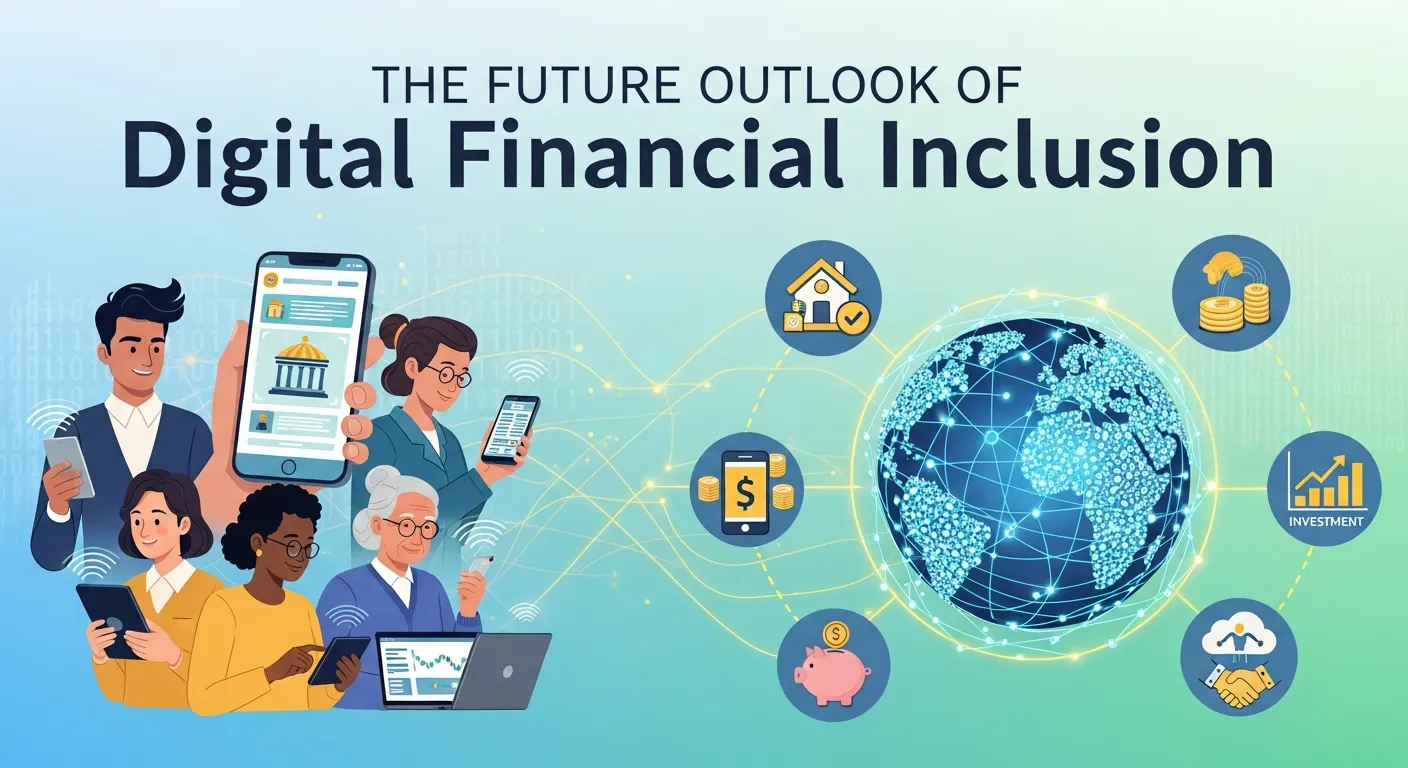
The future of Digital Financial Inclusion lies in human-centered innovation. Technologies such as AI, biometrics, and open banking will continue to evolve, but their success depends on accessibility and trust.
By prioritizing inclusion alongside innovation, digital financial systems can create lasting social and economic impact, ensuring no one is left behind in the global financial ecosystem.
Conclusion
Digital Financial Inclusion is no longer a future concept—it is a present-day necessity. As economies become increasingly digital, inclusive financial systems ensure that innovation benefits everyone, not just a privileged few. Technologies such as mobile money, AI-driven credit models, blockchain, and open banking are breaking long-standing barriers to access.
However, true inclusion requires more than technology alone. It demands collaboration, thoughtful regulation, financial education, and user-centric design. By prioritizing accessibility and trust alongside innovation, digital financial systems can create sustainable economic growth and empower individuals, businesses, and communities worldwide.
FAQs: Digital Financial Inclusion (Extended)
1. What is Digital Financial Inclusion?
Digital Financial Inclusion refers to providing individuals and communities, particularly underserved populations, with affordable access to a range of financial services such as payments, savings, credit, and insurance through digital platforms. It removes traditional barriers like lack of bank branches or physical infrastructure, allowing more people to participate in the formal economy.
2. Why is Digital Financial Inclusion important?
It promotes economic equality by giving everyone access to financial tools, supports entrepreneurship by enabling small businesses to access credit and digital payments, reduces poverty, and fosters broader participation in the digital economy, ensuring no one is left behind in the shift toward a digital financial ecosystem.
3. How does technology support financial inclusion?
Technology such as mobile banking, AI, blockchain, and digital wallets lowers costs, improves accessibility, and simplifies financial services. It allows people in remote areas or without traditional bank accounts to save, make transactions, and access credit safely and efficiently.
4. What role does mobile money play in financial inclusion?
Mobile money services like M-Pesa, GCash, and Paytm provide financial access to people who do not have traditional bank accounts. They enable everyday transactions, micro-savings, and even small loans, bringing financial services to rural or previously excluded communities.
5. How does AI improve digital financial services?
Artificial Intelligence enhances credit scoring, fraud detection, and personalized customer experiences. By analyzing alternative data such as mobile payments, utility bills, or transaction histories, AI allows individuals without formal banking records to access credit and financial products fairly.
6. Can small businesses benefit from Digital Financial Inclusion?
Absolutely. Small and micro-enterprises gain access to digital payments, transaction histories, and online marketplaces. These tools help them manage cash flow, improve financial credibility, secure loans, and scale their operations efficiently.
7. What are the biggest challenges to Digital Financial Inclusion?
Major challenges include limited internet connectivity and device access, low financial literacy, regulatory hurdles that lag behind technological innovation, and trust or security concerns among users, which can slow adoption.
8. How does blockchain contribute to financial inclusion?
Blockchain provides a secure, transparent, and decentralized way to record transactions. It can simplify cross-border payments, reduce costs, prevent fraud, and enable decentralized finance (DeFi), giving users the ability to borrow, lend, or trade without relying on traditional banks.
9. What is open banking and why does it matter?
Open banking allows financial institutions to share secure financial data with third-party developers, enabling the creation of apps and services that meet user-specific needs. It improves transparency, helps individuals and small businesses make better financial decisions, and facilitates access to credit.
10. How does digital financial inclusion impact economic growth?
By expanding access to formal financial systems, digital financial inclusion increases productivity, encourages savings and investment, supports entrepreneurship, and strengthens overall economic resilience. Inclusive financial systems contribute to higher GDP and more equitable economic participation.
11. Is digital financial inclusion safe?
Yes, when paired with strong cybersecurity measures, proper regulation, and consumer protection. Biometric authentication, encrypted transactions, and fraud detection systems help safeguard users while promoting trust in digital financial platforms.
12. What is the future of Digital Financial Inclusion?
The future focuses on human-centered innovation, combining emerging technologies like AI, blockchain, open banking, and mobile platforms with accessibility, affordability, and financial literacy. The goal is to create an inclusive ecosystem where every individual and business can fully participate in the global digital economy.



Embedded Finance: How Seamless Financial Services Are Integrating into Everyday Apps
Digital Finance VS Traditional Finance: What’s The Real Difference?
Digital Marketing for Financial Services: Strategies That Deliver Results
How Open Banking APIs Are Revolutionizing Digital Finance?
Digital Twin Technology in Finance: How Virtual Models Are Transforming Risk Management
The Future of Personal Finance: Autonomous Finance and AI Money Management
AI Credit Scoring: Revolutionizing SME Banking and Digital Loans
AI Fraud Detection: How Banks Prevent Financial Crime in Real Time