
Digital finance has changed how people handle money. Online banking, mobile wallets, and cryptocurrency platforms make transactions fast and convenient. But this digital shift also increases the risk of cyber threats. As more financial activity moves online, cybersecurity in digital finance becomes essential for protecting valuable assets.
Today, cybercriminals target digital payment systems, financial apps, and online accounts. Without strong financial data protection, users face risks such as fraud, identity theft, and unauthorized access. This makes asset protection a top priority for individuals and businesses using digital financial services.
This guide explains the basics of digital finance security in a clear and practical way. You will learn about common cybersecurity threats in finance, including phishing attacks, malware, and data breaches. More importantly, you will discover actionable cybersecurity best practices to protect your digital assets and personal information.
As the financial world becomes more connected, strong cyber risk management is no longer optional. Understanding how to secure your digital transactions helps you stay safe, confident, and in control in an increasingly digital financial environment.
What Is Cybersecurity in Finance?
Cybersecurity in finance refers to the methods and technologies used to protect financial systems, online transactions, and sensitive customer data from cyber threats. As digital banking, mobile payments, and online financial services continue to grow, strong financial cybersecurity has become essential for both individuals and institutions.
At its core, cybersecurity in finance focuses on financial data protection, digital asset security, and fraud prevention. It helps safeguard banking platforms, payment gateways, and financial applications from risks such as hacking, identity theft, phishing attacks, and malware infections. Without proper cyber risk management, even small security gaps can lead to serious financial losses.
Modern financial institutions rely on tools like encryption, secure authentication, multi-factor authentication (MFA), and AI-based fraud detection to reduce cyber risks. These security measures ensure safe digital transactions and build trust in digital finance ecosystems.
In simple terms, cybersecurity in finance protects money, personal information, and digital identities. It allows users to access financial services with confidence while ensuring data privacy, regulatory compliance, and long-term financial security in an increasingly connected digital world.
The State of Cybersecurity in Digital Finance
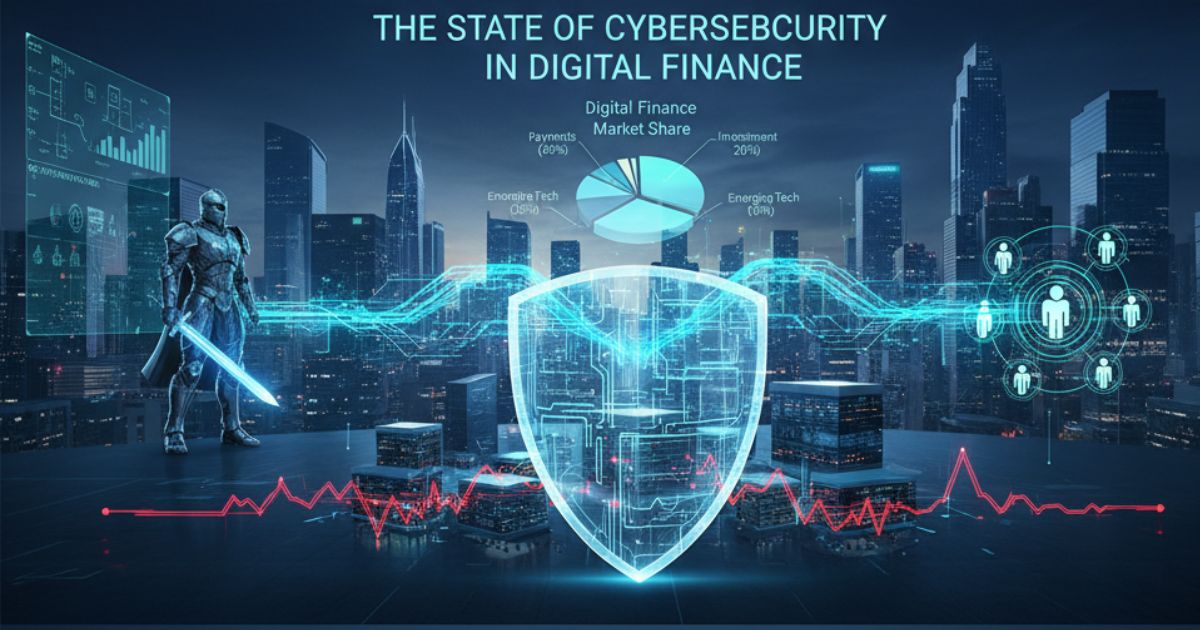
The rapid shift to digital finance has made managing money easier than ever. At the same time, it has opened new doors for cybercriminals. From personal bank accounts to large financial institutions, no system is completely safe from cyber risks. This makes cybersecurity in digital finance a critical issue for both users and service providers.
The financial sector is one of the most targeted industries for cyberattacks. Hackers focus on it because it offers direct access to money and sensitive data. Weak financial security systems can lead to fraud, data breaches, and major financial losses. Understanding today’s digital finance threat landscape is the first step toward building strong protection.
Common Threats to Your Digital Assets
Protecting your digital assets starts with awareness. Knowing the most common cybersecurity threats in finance helps you stay alert and take action early.
Phishing Scams
Phishing attacks are one of the most common online threats. Cybercriminals send fake emails or messages that look like they come from trusted banks or payment apps. These messages often create urgency and ask for passwords, card details, or login codes. Falling for phishing scams can lead to account takeover and financial loss.
Malware and Ransomware
Malware is harmful software that can infect your computer or mobile device. It can steal personal data, track activity, or damage systems. Ransomware is even more dangerous. It locks your files and demands payment to restore access. Strong digital asset protection and updated security software reduce this risk.
Identity Theft
Identity theft happens when criminals steal personal information like national ID numbers, login credentials, or banking details. They use this data to open accounts, take loans, or make illegal purchases. Recovering from identity theft can be stressful and time-consuming, making financial data protection essential.
Man-in-the-Middle (MitM) Attacks
MitM attacks often occur on unsecured public Wi-Fi networks. Hackers secretly intercept data between your device and the network. This allows them to read or change sensitive information such as passwords or payment details. Avoiding public Wi-Fi for financial transactions is a key cyber risk management practice.
How to Strengthen Your Digital Asset Protection
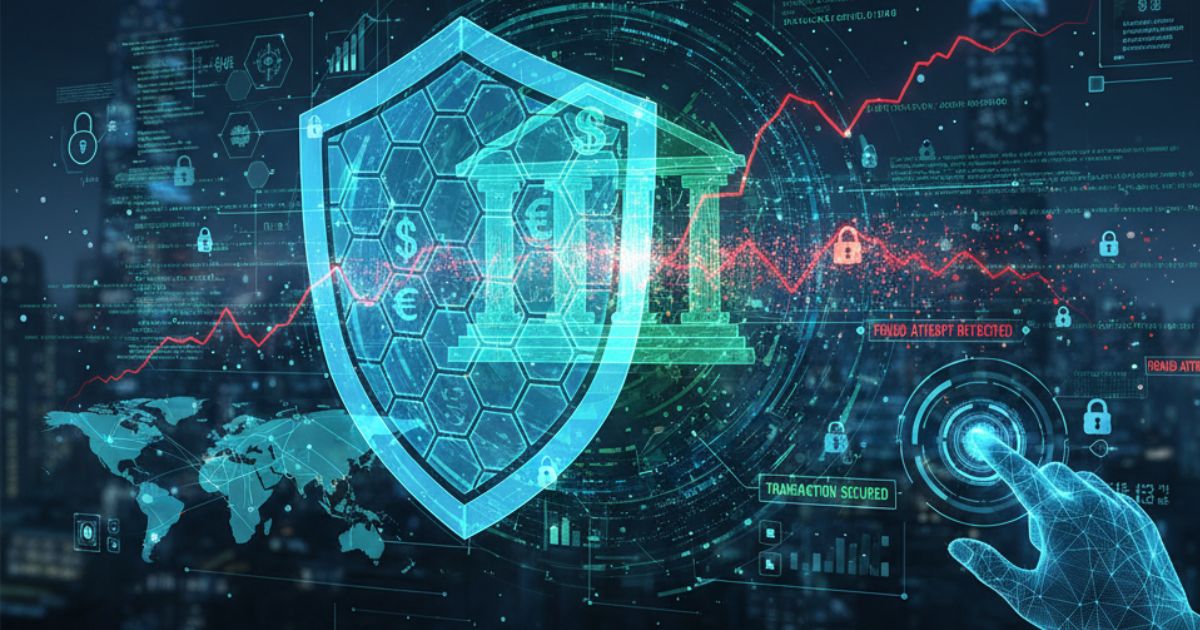
As digital finance grows, cyber threats grow with it. Protecting your money today requires more than basic precautions. You need a strong digital asset protection strategy that covers every access point. This includes your passwords, devices, networks, and identity.
A layered cybersecurity framework works best. If one layer fails, the others still protect you. Adding digital identity verification, secure authentication, and safe online habits creates a solid defense against financial cybercrime.
Build Strong Password Security
Passwords remain one of the most common attack targets. Weak passwords expose your accounts to brute-force attacks and credential stuffing.
To improve password security, follow these best practices:
-
Use long passwords
Aim for at least 12–16 characters. Longer passwords are harder to crack. -
Mix characters carefully
Use letters, numbers, and symbols in random patterns. -
Avoid predictable phrases
Do not use keyboard patterns or dictionary words. -
Never reuse passwords
Each financial account must have a unique password. -
Use a password manager
Password managers protect login credentials using encryption. They reduce human error and improve account security.
Strong passwords reduce the risk of unauthorized access and financial fraud.
Strengthen Security with Multi-Factor Authentication (MFA)
Multi-factor authentication is essential for financial account protection. It adds an extra verification step beyond your password.
MFA usually combines:
-
Something you know (password)
-
Something you have (mobile device or security token)
-
Something you are (biometric data)
Popular MFA methods include:
-
SMS or email verification codes
-
Authenticator apps
-
Fingerprint or facial recognition
MFA blocks most automated attacks and significantly improves identity security. Always enable it on banking apps, digital wallets, investment platforms, and email accounts.
Protect Your Digital Identity
Your digital identity is a valuable asset. Cybercriminals often target personal data to commit fraud and identity theft.
To strengthen digital identity protection:
-
Limit how much personal data you share online
-
Monitor financial statements regularly
-
Use identity monitoring services if available
-
Enable alerts for suspicious login attempts
Strong identity verification systems prevent fake account creation and unauthorized transactions.
Secure Your Devices and Operating Systems
Every device you use connects to your financial life. Phones, laptops, and tablets must be secured.
Key device security steps include:
-
Installing trusted antivirus and anti-malware tools
-
Enabling automatic system updates
-
Using screen locks and biometric access
-
Encrypting device storage when possible
Updated systems block known vulnerabilities and reduce exposure to malware attacks.
Lock Down Your Home and Mobile Networks
Unsecured networks are easy targets. Hackers often attack through weak Wi-Fi connections.
Improve network security by:
-
Changing default router credentials
-
Using strong Wi-Fi passwords
-
Enabling WPA2 or WPA3 encryption
-
Disabling remote router access
For mobile safety, avoid unknown networks and enable secure connection settings.
Practice Smart and Safe Online Behavior
Human error remains one of the biggest cybersecurity risks. Awareness is a powerful defense.
Adopt these safe browsing practices:
-
Ignore messages that create panic or urgency
-
Never share one-time passwords or verification codes
-
Double-check payment requests
-
Avoid downloading unknown attachments
Staying alert helps prevent phishing attacks and financial scams.
Use VPNs for Extra Protection
When using public Wi-Fi, your data is exposed. A VPN encrypts your internet traffic and hides your activity.
VPNs improve:
-
Online privacy
-
Data encryption
-
Protection from man-in-the-middle attacks
Use VPNs during travel or when accessing financial platforms outside trusted networks.
Secure Your Financial Future

In today’s connected world, cybersecurity in digital finance is no longer optional. It is a core part of smart personal financial management. As online banking, digital wallets, and mobile payments grow, protecting your digital assets becomes just as important as growing them.
Understanding common cybersecurity threats, such as fraud, identity theft, and data breaches, helps you stay prepared. Using AI-based fraud detection tools, secure authentication, and strong security habits adds an extra layer of protection against modern financial cyber risks.
You can take action right now. Review your passwords and improve password security. Enable multi-factor authentication (MFA) on all critical financial accounts. Keep your devices updated with the latest security patches and software updates. These simple steps greatly reduce your exposure to online threats.
Strong digital asset protection is a long-term investment. When you combine awareness, secure technology, and proactive behavior, you build trust, confidence, and resilience in the digital finance ecosystem. Protecting your finances today ensures stability, safety, and peace of mind for the future.
Conclusion
Cybersecurity in digital finance is no longer a choice. It is a necessity. As online banking security, mobile payment safety, and digital asset management become part of everyday life, the risk of financial cyber threats continues to grow. Protecting your money and personal data is essential for long-term financial security.
This guide explained how common risks like phishing attacks, malware and ransomware, identity theft, and data breaches can impact your digital assets. It also highlighted practical cybersecurity best practices, including strong password management, multi-factor authentication (MFA), secure devices, and safe browsing habits.
Effective digital asset protection depends on a layered approach. Combining financial data protection, digital identity verification, secure networks, and AI-based fraud detection creates stronger defense against modern cyber risks.
By taking proactive steps today, you protect more than just funds. You protect your digital identity, online privacy, and long-term financial stability. Staying aware and prepared allows you to navigate the digital finance ecosystem with confidence, trust, and peace of mind in the years ahead.
FAQs
Why is cybersecurity important in digital finance?
Cybersecurity in digital finance protects users from fraud, data breaches, and identity theft. It keeps financial data safe and ensures secure digital transactions.
How can individuals reduce cyber risks in online banking?
People can reduce cyber risks by using strong passwords, enabling multi-factor authentication, updating devices regularly, and avoiding suspicious links or messages.
What is the most important step for cybersecurity?
While there’s no single “most important” step, enabling Multi-Factor Authentication (MFA) provides one of the most significant security boosts. It acts as a powerful barrier against unauthorized access, even if your password is compromised.
How do I know if my financial information has been stolen?
Look for warning signs, such as unfamiliar transactions on your bank statements, unexpected credit denials, or notifications about password changes you didn’t initiate. Regularly monitoring your accounts and credit reports is the best way to catch fraudulent activity early.
Are mobile banking apps safe to use?
Generally, yes. Financial institutions invest heavily in the security of their mobile apps. They are often safer than browsing on a desktop, as they operate in a more controlled environment. However, you must still take your part by using a strong passcode, enabling biometric login, and keeping the app up to date.
What should I do if I become a victim of a cyberattack?
Act immediately. Change your passwords for all affected accounts, contact your financial institutions to report the fraud and freeze your accounts, and file a report with the appropriate authorities, such as the Federal Trade Commission (FTC) at IdentityTheft.gov.


What Is Digital Financial Literacy?
How Financial Technology Is Transforming Digital Payments
What Is Financial Technology (FinTech)? Everything You Need to Know
AI Credit Scoring: Revolutionizing SME Banking and Digital Loans
How Tax Planning Helps Individuals and Businesses Save Money
How to Create a Retirement Planning Strategy That Works
How Digital Asset Management Improves Business Efficiency
The Importance of Risk Management in Modern Business