

Green finance and fintech are transforming the financial sector by combining sustainability with digital innovation. Through AI, blockchain, mobile platforms, and ESG analytics, fintech is making sustainable investing more accessible, transparent, and data-driven. This integration enables investors and institutions to support environmental goals while achieving long-term financial value.
The financial sector stands at a crossroads where environmental responsibility meets technological innovation. As climate concerns intensify and regulations tighten, financial institutions are discovering that sustainability isn’t just good for the planet—it’s essential for business survival.
Green finance and fintech have emerged as powerful allies in this transformation. Traditional financial services are being reimagined through digital platforms that prioritize environmental, social, and governance (ESG) factors. From mobile apps that help users invest in renewable energy projects to AI-powered tools that assess climate risks, technology is making sustainable finance more accessible, efficient, and transparent than ever before.
The Evolution of Green Finance Through Technology
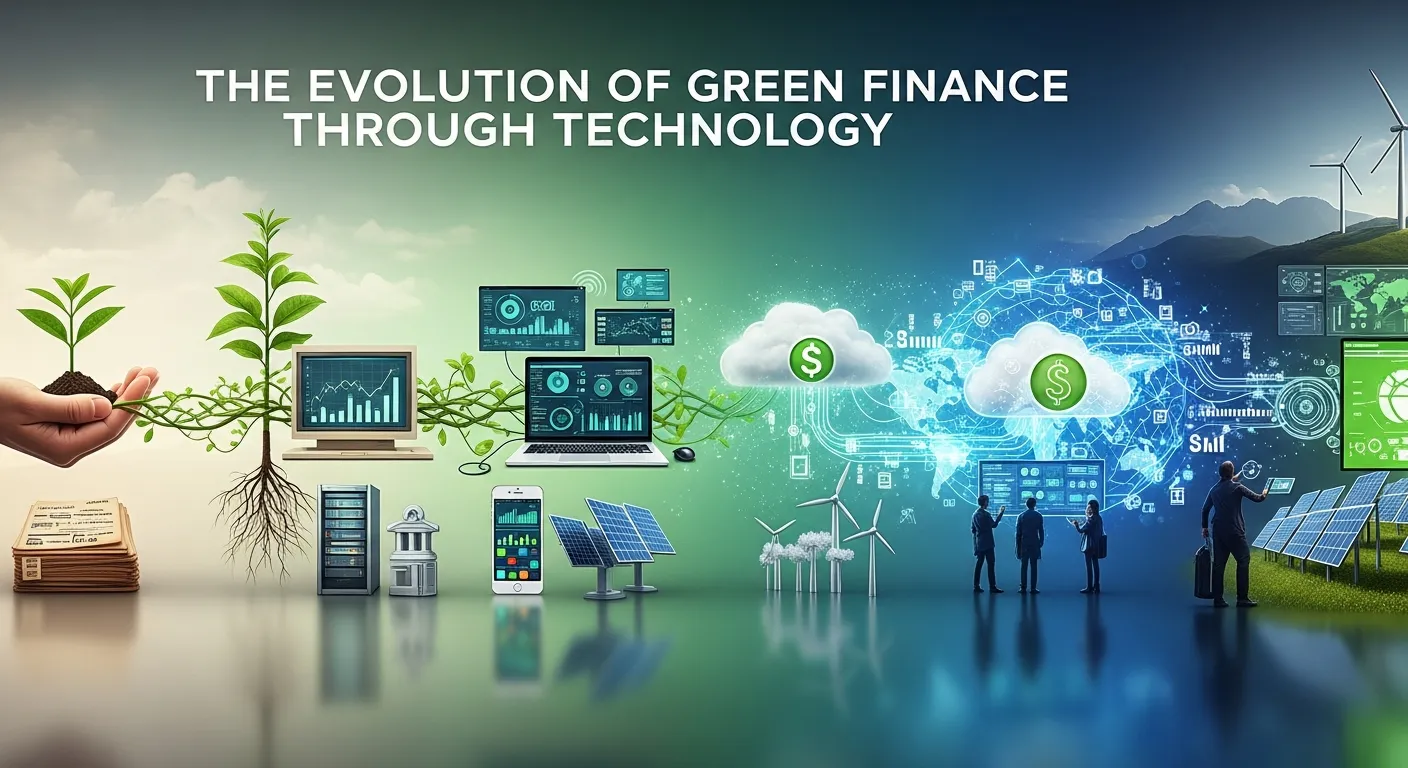
Green finance has moved from a niche idea to a major part of modern investing. This shift has been powered by rapid fintech innovation and sustainable finance technology. Today, both large institutions and everyday retail investors can build portfolios that match their values through ESG investing platforms and digital tools.
Technology has transformed how ESG data is collected and understood. Advanced analytics, AI-driven reporting, and real-time ESG data tracking now help investors measure the true environmental impact of their assets. These digital systems make it easier to spot climate risks, identify growth opportunities, and make smarter investment decisions in the green economy.
The rise of sustainable fintech solutions has also broken down old barriers. In the past, ESG investing required high capital and deep financial knowledge. Now, mobile-first investment apps and digital finance tools make impact investing accessible to younger and smaller investors. People can start with low amounts and still support clean energy, social responsibility, and climate-friendly sectors.
Technology has not only expanded access, but also increased transparency, trust, and confidence in green finance. It is helping build an investment landscape that supports both financial returns and positive environmental change.
How Fintech is Revolutionizing Sustainable Investments
Digital Platforms for Green Investments
Modern fintech platforms have simplified the process of identifying and investing in sustainable opportunities. These eco-friendly financial technology solutions use sophisticated algorithms to screen investments based on environmental criteria, making it easier for users to build portfolios aligned with their sustainability goals.
Climate-focused investing platforms leverage machine learning to analyze company sustainability reports, regulatory filings, and third-party ESG ratings. This automated approach reduces the time and expertise required for sustainable investment research, opening up green finance to a broader audience.
Automated ESG Screening and Analysis
Fintech for sustainable investments has introduced automated screening tools that can evaluate thousands of companies against ESG criteria in seconds. These systems analyze factors such as carbon emissions, water usage, labor practices, and corporate governance structures to provide comprehensive sustainability scores.
Advanced platforms go beyond basic screening to offer predictive analytics that forecast how environmental trends might affect investment returns. For example, some systems can model the potential impact of carbon pricing regulations on specific industries or assess how climate change might affect agricultural investments.
Blockchain and Transparency in Green Finance
Blockchain technology has emerged as a powerful tool for ensuring transparency in sustainable finance. Green bonds and fintech platforms increasingly use distributed ledger technology to track how funds are used and verify that investments deliver promised environmental benefits.
This transparency addresses one of the biggest challenges in green finance: greenwashing. By creating immutable records of fund allocation and impact metrics, blockchain helps investors verify that their money is genuinely supporting sustainable projects.
Dig Deeper: How Digital Finance and FinTech Improve Financial Inclusion
Key Fintech Solutions Driving Green Finance
Robo-Advisors for Sustainable Portfolios
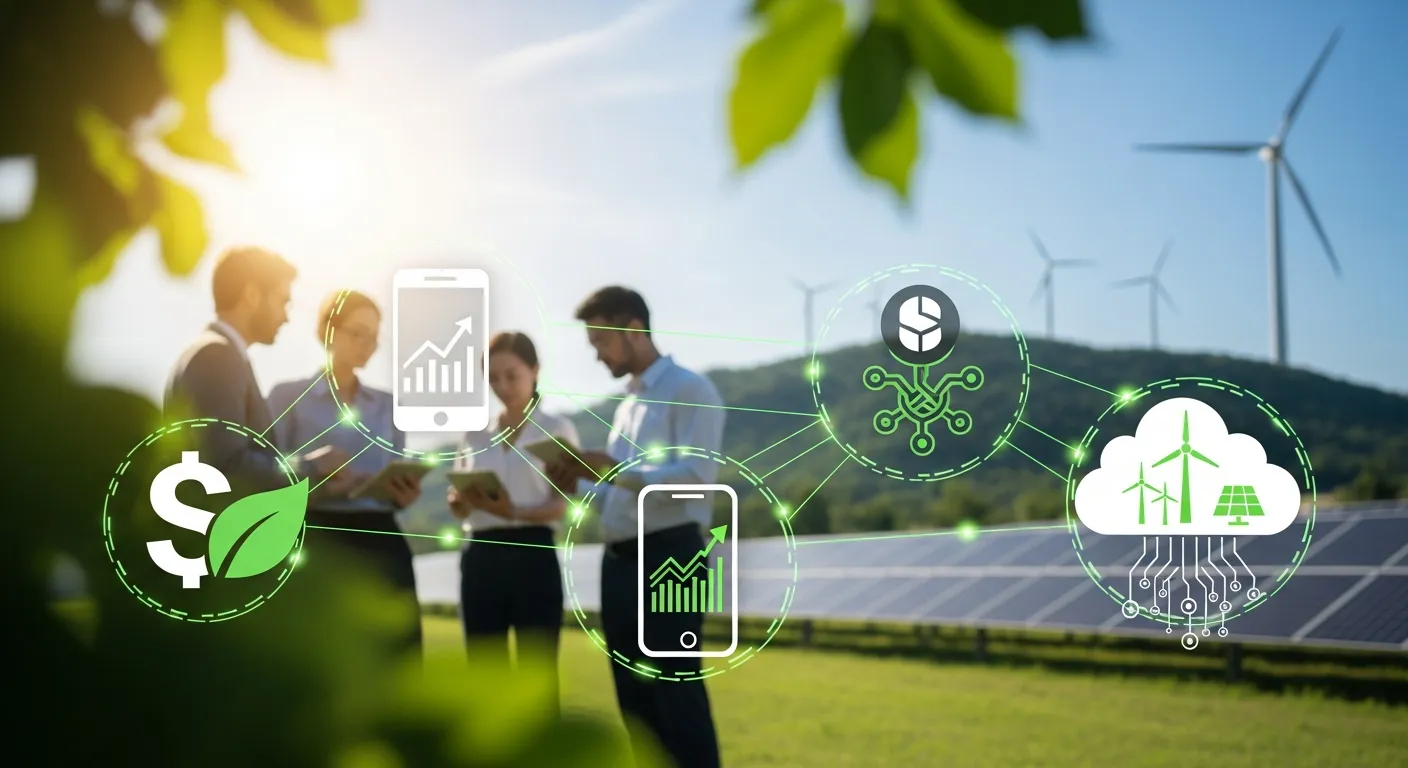
Robo-advisors have integrated ESG criteria into their automated investment algorithms, making sustainable portfolio management available to investors who might not have access to human financial advisors. These platforms use questionnaires to understand clients’ sustainability preferences and automatically adjust portfolios to reflect those values.
The sophistication of these systems continues to evolve, with some platforms now offering customizable ESG filters that allow investors to exclude specific industries or prioritize particular sustainability themes, such as clean energy or social justice.
Mobile Apps for Impact Investing
Smartphone applications have made impact investing more accessible and engaging. Many apps allow users to invest spare change from purchases into ESG funds or provide educational content about sustainable investing. Some platforms gamify the experience, showing users the environmental impact of their investment decisions through visual dashboards and progress tracking.
These mobile-first approaches have proven particularly effective at engaging younger investors who are digital natives and tend to prioritize sustainability in their financial decisions.
Crowdfunding Platforms for Green Projects
Fintech has enabled new forms of green project financing through crowdfunding platforms. These systems allow individuals to directly fund renewable energy installations, sustainable agriculture projects, and other environmental initiatives that might not attract traditional institutional funding.
Peer-to-peer lending platforms have also expanded to include green lending options, where individuals can fund energy efficiency improvements or electric vehicle purchases for other consumers.
The Role of Technology in ESG Compliance and Reporting
Automated Data Collection and Analysis
ESG compliance in fintech has been streamlined through automated data collection systems that gather information from multiple sources, including company reports, regulatory filings, news articles, and satellite imagery. This comprehensive approach provides more accurate and timely ESG assessments than traditional manual methods.
Natural language processing helps analyze unstructured data from corporate communications and news sources to identify ESG-related risks and opportunities that might not be captured in formal reports.
Real-Time ESG Monitoring
Technology enables continuous monitoring of ESG performance rather than relying on annual or quarterly updates. Real-time data feeds can alert investors to changes in a company’s environmental performance, such as increased carbon emissions or environmental violations.
This immediate access to information allows for more responsive investment strategies and helps investors avoid exposure to companies experiencing ESG-related controversies.
Standardized Reporting Through Technology
One of the biggest challenges in ESG investing has been the lack of standardized reporting frameworks. Technology platforms are addressing this by creating unified dashboards that translate different ESG reporting standards into comparable metrics.
Machine learning algorithms can normalize data from various reporting frameworks, making it easier for investors to compare the sustainability performance of different investments and track portfolio-level ESG metrics.
Emerging Trends in Green Fintech

Artificial Intelligence in Climate Risk Assessment
AI-powered systems are becoming increasingly sophisticated at assessing climate-related financial risks. These platforms can analyze complex environmental data to predict how climate change might affect specific investments or geographic regions.
Fintech sustainability trends indicate growing use of satellite data, weather patterns, and climate models to assess physical risks such as flooding, drought, or extreme weather events that could impact investment returns.
Integration of Carbon Accounting
Carbon footprint reduction through finance has become a priority for many institutions and investors. Fintech platforms are integrating carbon accounting tools that help users understand and reduce the carbon footprint of their investment portfolios.
Some platforms now offer carbon offset features that automatically purchase verified carbon credits to neutralize the environmental impact of investment activities.
Sustainable Digital Banking
Digital banks are incorporating sustainability into their core operations, offering features such as carbon footprint tracking for spending, rewards for sustainable purchases, and automatic investments in green funds. Sustainable digital banking represents a holistic approach to aligning financial services with environmental values.
These platforms often provide educational content and tools to help customers make more sustainable financial decisions, extending their impact beyond investment services to everyday banking activities.
Challenges and Opportunities in Green Fintech
Regulatory Compliance and Standards
As green finance regulations evolve, fintech companies must adapt their platforms to ensure compliance with new requirements. This presents both challenges and opportunities, as companies that build robust compliance capabilities early may gain competitive advantages.
The development of global ESG reporting standards will likely drive innovation in fintech solutions that can efficiently collect, process, and report sustainability data across different jurisdictions.
Data Quality and Verification
Ensuring the accuracy and reliability of ESG data remains a significant challenge for fintech platforms. Companies are investing in advanced verification systems and partnering with established ESG data providers to improve the quality of their sustainability assessments.
Blockchain technology and IoT sensors are emerging as solutions for improving data verification and creating more trustworthy sustainability reporting systems.
Market Education and Adoption
Many potential users still lack an understanding of ESG investing concepts and the benefits of sustainable finance. Fintech firms have an opportunity to drive adoption through educational content, user-friendly interfaces, and a clear demonstration of impact.
Gamification and social features can help make sustainable investing more engaging and encourage broader adoption of responsible investment technology.
The Future Landscape of Sustainable Finance Technology

Integration with Traditional Financial Services
The future of green fintech technology will depend on stronger links with traditional banks and financial institutions. Instead of working separately, digital finance platforms and banks will combine their strengths. Many major banks are already partnering with fintech companies to add ESG investment tools, sustainable banking features, and climate finance solutions to their core services.
As this integration grows, investors will gain access to smarter platforms that bring together traditional financial analysis and ESG data in one place. This will make investment planning easier, clearer, and more reliable.
Advanced Predictive Analytics
Next-generation fintech platforms will use AI-driven predictive analytics to study climate risks, regulatory changes, and social trends. These smart tools will help users understand how sustainability factors may affect future returns.
With stronger ESG forecasting, machine learning models, and real-time climate insights, investors will be able to make long-term decisions with more confidence. They will also be better prepared to benefit from the global shift toward a low-carbon economy.
Global Accessibility and Inclusion
Technology will make sustainable finance and ESG investing available to more people around the world. In emerging markets, mobile apps and digital banking networks will play a major role in closing financial gaps.
Through mobile-first fintech platforms, digital wallets, and local banking partnerships, underserved communities will be able to access green investment products and eco-friendly financial services. This global expansion will support wider financial inclusion and empower more people to take part in sustainable economic growth.
Building a Sustainable Financial Future Through Technology

The blend of green finance and fintech innovation is reshaping the global financial system. This partnership is creating new opportunities for sustainable investments, climate finance, and responsible banking. As technology grows smarter, we will see more tools that make ESG investing and impact finance easier, faster, and more transparent for everyone.
Moving forward, success will depend on teamwork. Fintech companies, banks, regulators, investors, and technology partners must collaborate to solve major challenges. These include ESG data accuracy, reporting standards, regulatory compliance, and user education. With better systems and stronger cooperation, the world can build a financial model that supports both economic growth and environmental responsibility.
Businesses and investors who adopt these sustainable fintech solutions early will gain a competitive advantage. They will be ready for a future driven by low-carbon investment strategies, digital banking, and ethical finance.
The path ahead is clear: the future of finance is green, and technology is the engine powering this transformation. By embracing innovation, we can build a financial ecosystem that delivers long-term value for people, the planet, and the global economy.
Conclusion
The convergence of green finance and fintech marks a critical shift toward a more sustainable financial future. Technology is enabling smarter ESG analysis, wider access to impact investing, and greater transparency across financial systems. Institutions and investors that adopt sustainable fintech solutions today will be better positioned to thrive in a low-carbon, responsible global economy.
FAQs: Green Finance and Fintech
1. What is green finance?
Green finance involves financial activities that support environmental sustainability, such as renewable energy, climate projects, and eco-friendly businesses.
2. How does fintech support green finance?
Fintech supports green finance through digital platforms, AI analytics, blockchain, and mobile apps that enable ESG investing and impact tracking.
3. What is ESG investing?
ESG investing evaluates investments based on environmental, social, and governance factors alongside financial performance.
4. How does AI help sustainable investing?
AI analyzes ESG data, assesses climate risks, predicts environmental impact, and improves sustainable investment decision-making.
5. Why is blockchain important for green finance?
Blockchain improves transparency by tracking fund usage and verifying environmental impact, helping prevent greenwashing.
6. Can retail investors participate in green finance?
Yes. Fintech platforms allow retail investors to access ESG funds, green bonds, and impact projects with low investment amounts.
7. What are green fintech platforms?
Green fintech platforms are digital financial tools focused on sustainability, such as ESG robo-advisors, impact investing apps, and carbon tracking tools.
8. How does fintech improve ESG reporting?
Fintech automates ESG data collection, standardizes reporting, and provides real-time sustainability insights.
9. What role do robo-advisors play in green finance?
Robo-advisors build and manage sustainable portfolios based on investor preferences and ESG criteria.
10. What challenges exist in green fintech?
Challenges include ESG data accuracy, regulatory compliance, lack of standardization, and investor education.
11. How does green fintech support financial inclusion?
Mobile platforms and digital tools expand access to sustainable finance in underserved and emerging markets.
12. What is the future of green finance and fintech?
The future includes deeper AI integration, global accessibility, better ESG standards, and stronger collaboration between banks and fintech firms.






What is a Fintech Company?
Digital Twin Technology in Finance: How Virtual Models Are Transforming Risk Management
What Is Digital Financial Literacy?
Google Pay in Bangladesh: Expediting Fintech and Digital Inclusion
Market basket analysis: Transforming Education Through Calm and Focus
Zero-Knowledge Proofs: Transforming Education Through Calm and Focus
Blockchain Interoperability in Education
Bridging the Unbanked Gap with Mobile Digital Finance