
Fintech banks, also known as neobanks or digital-only banks, are transforming the financial industry with app-based services, low fees, and innovative features. Many people ask, “Are fintech banks safe?” The answer depends on regulation, deposit insurance, cybersecurity measures, and company transparency—not whether the bank has physical branches.
Banking has undergone a seismic shift in the last decade, thanks to advancements in technology. Fintech banks, also known as neobanks or digital-only banks, have emerged as major players in the financial services industry, offering innovative solutions, seamless app experiences, and competitive rates. But with all the fanfare surrounding these disruptors, one key question remains on the minds of many consumers and professionals alike: Are fintech banks safe?
If you’re curious about the security of fintech banks and how they compare to traditional institutions, this blog is for you. We’ll demystify fintech bank safety by exploring regulations, technology measures, customer protections, and how you can safeguard your own finances when using digital banking services.
What Exactly Are Fintech Banks?
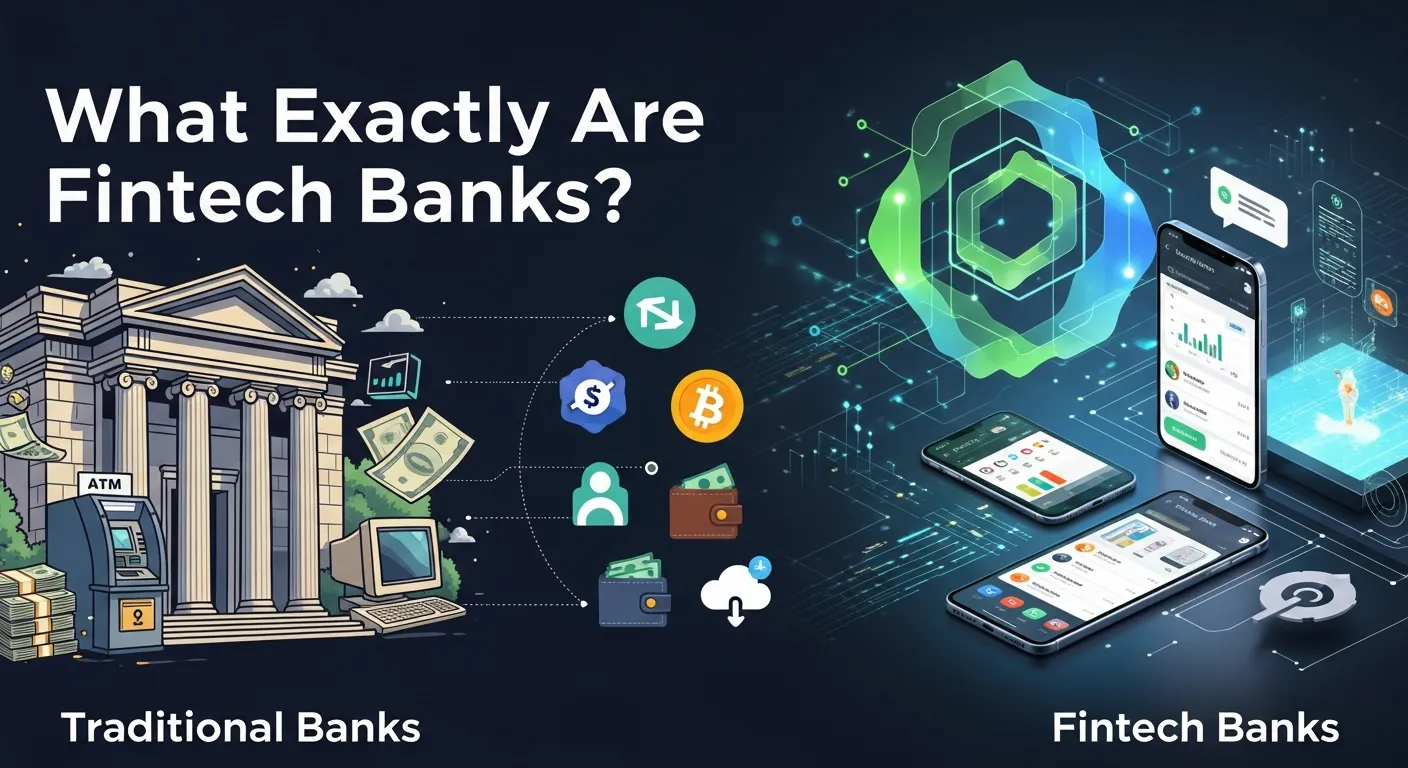
Before we talk about safety, it’s important to understand what fintech banks are. Fintech (short for financial technology) banks are digital-first financial institutions that operate entirely online. Unlike traditional banks, they don’t have physical branches but instead rely on mobile apps and websites to deliver their services.
Common examples of fintech banks include Chime, Revolut, N26, and Monzo. These platforms often boast features like:
- Fee-free checking or savings accounts
- Enhanced app usability with real-time tracking of expenses
- Financial tools like budgeting and savings automation
- High-yield savings options
- Flexible international money transfers
Their innovative approaches and customer-centric features have made fintech banks hugely popular, especially among tech-savvy users. But are these banks as safe as they are convenient?
Are Fintech Banks Safe Compared to Traditional Banks?
When evaluating whether fintech banks are safe, the comparison to traditional banks is unavoidable. The reality is that safety does not depend solely on whether a bank has physical branches. Instead, it depends on regulatory compliance, deposit insurance, cybersecurity infrastructure, and risk management practices. Many fintech banks operate under the same financial regulations as traditional institutions, especially when partnered with licensed banks.
- Both fintech and traditional banks can offer government-backed deposit insurance
- Fintech banks often invest heavily in modern cybersecurity systems
- Traditional banks may offer broader financial stability due to longevity
- Safety depends more on regulation and protection than business model
The key takeaway is that fintech banks are safe when properly regulated and insured. Consumers should focus less on whether a bank is digital and more on whether it complies with national banking laws and provides deposit protection guarantees.
The Regulatory Landscape for Fintech Banks
The immediate concern for many is whether fintech banks are regulated like traditional banks. Rest assured, most fintech banks operating in the U.S. and Europe abide by strict banking and financial regulations. However, here’s a nuanced breakdown of their regulatory landscape.
1. Deposit Protection
Most reputable fintech banks partner with established traditional banks or credit unions to hold customer deposits. For example, in the U.S., these deposits are insured by the Federal Deposit Insurance Corporation (FDIC) up to $250,000 per account. Similarly, in Europe, deposits are generally covered under national deposit guarantee schemes, such as the Financial Services Compensation Scheme (FSCS) in the UK.
Before signing up with any fintech bank, make sure they explicitly mention FDIC insurance or the equivalent in your country. If they don’t, that’s a red flag.
2. License Matters
While some fintech banks acquire their own banking licenses, many rely on third-party financial institutions to operate. For instance, fintechs like Chime in the U.S. partner with official banks to handle the technicalities of money storage and compliance. Licensing structures vary by region, but rest assured, licensed fintechs must adhere to strict banking and data privacy laws.
Technology and Security Measures
One area where fintech banks truly shine is in their use of cutting-edge tech to ensure the security of customer funds and data. Here’s how they protect you in the digital realm.
1. Encryption and Cybersecurity
Encryption is a standard for fintech banks, safeguarding user data and transactions from potential breaches. End-to-end encryption, HTTPS protocols, and firewalls are just a few of the tools fintechs use to secure online transactions.
Furthermore, many fintechs employ advanced fraud detection algorithms to monitor account activity for unusual patterns. Alerts for suspicious activity help minimize the risk of unauthorized transactions.
2. Biometric Login and Two-Factor Authentication (2FA)
Gone are the days of relying solely on passwords. Many fintech banks now employ biometric security methods, such as facial recognition or fingerprint scans, to ensure only you can access your account. Additionally, two-factor authentication (2FA) provides an extra layer of security for sensitive transactions.
3. Instant Account Monitoring
Fintech banks are designed with real-time monitoring of account activity, making it easier to detect and respond to unauthorized transactions quickly. Push notifications alert you to spending in real-time, empowering you with greater control over your money.
How Fintech Banks Keep Customer Data Safe
One major reason fintech banks are safe is their digital-first security architecture. Unlike legacy institutions that sometimes operate on outdated infrastructure, many fintech banks are built on modern cloud-based systems with advanced encryption and real-time monitoring capabilities. This allows them to respond quickly to emerging cyber threats.
Security practices commonly include encrypted data storage, continuous fraud detection systems, and secure API integrations. Because fintech banks rely on user trust for growth, they prioritize transparency and security updates. In many cases, security innovation is not just a compliance requirement—it is a competitive advantage.
What About Financial Risks?
While fintech banks are generally secure from a cybersecurity perspective, financial risk is another element to analyze.
1. Startup Vulnerabilities
Many fintech banks are relatively young compared to brick-and-mortar institutions. This means that they may be more vulnerable to external pressures like economic downturns and fluctuating investor confidence. However, the backing of established financial partners and investors often mitigates this risk.
2. Lack of Product Diversity
Most neobanks specialize in a narrow segment of financial services, such as digital payments or savings accounts. While this focus allows them to innovate and improve, it means you may need to rely on traditional banks for services like mortgages or wealth management. Diversifying your financial relationships is a key way to reduce risk.
Protect Yourself While Using Fintech Banks
If you choose to use a fintech bank, there are steps you can take to maximize your safety and security.
1. Verify Insurance Coverage
Always confirm that your chosen fintech bank offers FDIC insurance (or regional equivalent) to protect your deposits. Look for this information on their website or app before signing up.
2. Stick to Reputable Fintechs
Do your homework! Research customer reviews and ensure the fintech bank has strong backing or partnerships with established banks. Companies with widespread adoption are less likely to pose risks.
3. Enable All Security Features
Take advantage of every security measure offered. Activate biometric logins, set up two-factor authentication, and use strong, unique passwords for your accounts.
4. Monitor Your Accounts Regularly
Even the best fraud-detection algorithms aren’t foolproof. Regularly review your transactions and report any discrepancies immediately.
5. Use Multiple Financial Accounts
To minimize risk, don’t consolidate all your money into one fintech. Spread your deposits between traditional banks and fintech accounts to ensure you always have a fallback option.
Key Factors to Check Before Deciding If Fintech Banks Are Safe
Before opening an account, consumers should conduct due diligence. While fintech banks are safe in many cases, verifying certain factors ensures you are choosing a secure platform.
| Safety Factor | Why It Matters | What to Look For |
|---|---|---|
| Deposit Insurance | Protects funds if the institution fails | FDIC (U.S.) or equivalent guarantee |
| Banking License | Confirms regulatory oversight | Public disclosure of license or partner bank |
| Security Features | Protects against fraud and hacking | 2FA, biometric login, encryption |
| Company Transparency | Indicates trustworthiness | Clear terms, regulatory details, public leadership |
| Customer Support | Helps resolve issues quickly | 24/7 support or accessible assistance |
Fintech banks are safe when these elements are clearly present. Transparency and regulatory clarity should always be visible on their website or official documentation.
Why Fintech Banks Are Worth Considering
Despite some risks, there’s no denying the advantages fintech banks offer to their customers. They lead in innovation, providing intuitive interfaces, cost-saving features, and personalized financial solutions that traditional banks often can’t match.
From streamlining your monthly budgeting to offering hassle-free international transfers, fintech banks are worth exploring for their forward-thinking approach to banking. With precautionary steps in place, there’s no reason they can’t be a secure addition to your financial ecosystem.
Secure Your Finances, The Smart Way
Fintech banks are transforming the way we think about money management, offering faster transactions, intuitive mobile apps, lower fees, and smarter financial tools. However, convenience should always be paired with awareness. Understanding how these digital institutions protect your money—through regulatory compliance, deposit insurance, encryption, and fraud monitoring—is essential before fully embracing them.
To use digital banking safely, start by verifying that your provider is properly licensed and offers deposit insurance protection. Enable all available cybersecurity features such as biometric login and two-factor authentication, and monitor your transactions regularly. Diversifying your funds across multiple institutions—both digital and traditional—adds another layer of protection and reduces overall risk.
Remember, the decision isn’t about choosing fintech over traditional banking. The real advantage lies in combining innovation with stability. By leveraging the technology-driven efficiency of digital platforms alongside the established reliability of traditional institutions, you can build a financial system that is secure, flexible, and future-ready.
The Future Outlook: Will Fintech Banks Remain Safe?
As financial technology continues to evolve, regulatory bodies worldwide are increasing oversight of digital banking institutions. Governments recognize the rapid growth of fintech and are implementing stricter compliance requirements to ensure fintech banks remain safe for consumers. This includes stronger cybersecurity standards, improved reporting requirements, and enhanced customer protection frameworks.
With ongoing regulation and technological advancement, fintech banks are likely to become even safer over time. Their digital infrastructure allows faster adaptation to new threats compared to traditional banks that rely on older systems. The future of banking will likely blend traditional security structures with fintech innovation, offering consumers both safety and convenience.
Conclusion
Fintech banks are safe when properly regulated, insured, and transparent about their operations. Their digital-first infrastructure often allows stronger real-time security monitoring than some traditional institutions. However, users must practice smart financial habits—verifying deposit insurance, diversifying accounts, and monitoring transactions regularly.
Rather than choosing between fintech and traditional banks, the smartest approach is combining both to enjoy innovation, convenience, and financial security.






How to Create a Retirement Planning Strategy That Works
What Is Financial Technology (FinTech)? Everything You Need to Know
How Tax Planning Helps Individuals and Businesses Save Money
FinTech and Traditional Banking: How Old Banks Are Adapting
How Tax Planning Helps Individuals and Businesses Save Money
How to Create a Retirement Planning Strategy That Works
How Digital Asset Management Improves Business Efficiency
The Importance of Risk Management in Modern Business