

Risk Management is an essential part of running a successful modern business. Every organization faces uncertainty, from financial challenges and operational disruptions to cybersecurity threats, market changes, and unexpected emergencies. Without a structured approach to identifying and managing these risks, even a growing business can experience serious setbacks.
Effective risk management helps organizations recognize potential problems before they become major issues. It also supports better decision-making, protects valuable resources, and creates a stronger foundation for sustainable growth. By connecting risk management with areas such as Business Finance, Wealth Management, and Financial Planning, businesses can make more informed choices while preparing for both opportunities and challenges.
What Is Risk Management?
Risk management is the structured process of identifying, evaluating, prioritizing, and responding to risks that could affect an organization’s objectives. It allows businesses to understand what could go wrong and determine how those risks can be reduced, transferred, avoided, or accepted.
Identifying Potential Business Risks
The first step in risk management is recognizing potential threats. These may include financial losses, supply chain problems, employee-related risks, technology failures, regulatory changes, cybersecurity incidents, or changing customer demand.
Businesses can identify risks through internal reviews, financial analysis, market research, employee feedback, historical data, and regular operational assessments. Early identification gives management more time to prepare appropriate responses.
Assessing the Impact of Risk
Not every risk has the same level of importance. Some risks may have a minor effect on daily operations, while others could threaten the financial stability or reputation of an organization.
Risk assessment helps businesses consider both the likelihood of an event and its potential impact. This allows decision-makers to focus resources on risks that require the greatest attention.
Why Risk Management Is Important for Modern Businesses

Protecting Business Resources
Businesses invest significant resources in employees, technology, equipment, intellectual property, inventory, and financial assets. Unexpected events can damage or disrupt these resources.
Risk management helps organizations establish safeguards that protect important assets. For example, businesses can use appropriate insurance, cybersecurity controls, backup systems, internal policies, and emergency procedures to reduce potential losses.
Supporting Business Continuity
Business interruptions can happen because of natural disasters, technology failures, supplier problems, cyber incidents, or other unexpected events. A business continuity approach helps organizations prepare for these disruptions.
When companies understand their major risks in advance, they can create contingency plans and recovery procedures. This can reduce downtime and help essential operations continue during challenging situations.
Improving Decision-Making
Business decisions often involve uncertainty. Expanding into a new market, investing in technology, hiring employees, launching products, or taking on additional debt can all create potential risks.
Risk management provides a structured way to evaluate these decisions. Instead of relying only on assumptions, management can consider potential outcomes, costs, benefits, and risk levels before committing resources.
The Connection Between Risk Management and Business Finance
Business Finance and risk management are closely connected because financial decisions can directly influence an organization’s stability. Poor financial decisions can increase exposure to debt, cash-flow problems, unexpected expenses, and investment losses.
Managing Cash Flow Risks
Cash flow is one of the most important financial concerns for businesses. A company may generate sales but still experience financial pressure if customers delay payments or expenses increase unexpectedly.
Risk management can help businesses monitor cash-flow patterns, maintain appropriate reserves, control expenses, and prepare for periods of reduced revenue. These practices can provide greater financial flexibility.
Controlling Financial Exposure
Businesses often face financial risks related to borrowing, investments, currency changes, interest rates, suppliers, and customers. Understanding these exposures helps management make more informed financial decisions.
Companies can also establish financial policies that define acceptable levels of debt, spending, investment, and financial exposure. These controls can reduce unnecessary financial uncertainty.
How Risk Management Supports Financial Planning
Financial Planning is not limited to creating budgets or forecasting revenue. It also involves preparing for unexpected circumstances that could affect financial goals.
Building an Emergency Reserve
An emergency reserve can provide a financial cushion when unexpected expenses or revenue declines occur. The appropriate reserve will depend on the organization’s size, industry, operating model, and financial obligations.
Risk management helps businesses identify potential financial disruptions and determine how much liquidity may be needed to respond effectively.
Planning for Different Scenarios
Businesses cannot predict every future event, but they can prepare for different possibilities. Scenario planning allows management to consider what could happen if sales decline, operating costs increase, or market conditions change.
By incorporating different scenarios into financial planning, businesses can develop flexible strategies rather than relying on a single forecast.
The Role of Risk Management in Wealth Management

Protecting Business and Personal Assets
Business owners may have both business and personal financial interests connected to their companies. Poor risk management can potentially affect both areas.
Proper financial structures, insurance strategies, diversification, and professional advice can help reduce unnecessary exposure and support long-term asset protection.
Supporting Long-Term Financial Goals
Wealth management often involves planning for future goals such as retirement, business succession, education, investments, or estate planning. Risk management helps account for uncertainties that could affect those objectives. By regularly reviewing financial risks, individuals and business owners can make adjustments as circumstances change.
Common Types of Business Risks
Understanding different categories of risk makes it easier to create a practical risk management strategy. Businesses should consider both internal and external factors when evaluating their overall exposure.
Financial Risk
Financial risk can include cash-flow shortages, excessive debt, investment losses, changing interest rates, and unexpected expenses. Strong financial controls and regular financial reviews can help organizations monitor these risks.
Operational Risk
Operational risk comes from failures in everyday business processes. Equipment breakdowns, employee errors, supplier interruptions, inefficient procedures, and technology failures can all affect operations.
Strategic Risk
Strategic risks arise when business decisions fail to produce expected results. Changes in customer preferences, new competitors, poor market positioning, or unsuccessful product launches can create strategic challenges.
Cybersecurity and Technology Risk
Businesses increasingly depend on digital systems, making cybersecurity and technology risks more significant. Data breaches, system outages, malware, and unauthorized access can disrupt operations and damage customer trust.
Organizations should combine cybersecurity controls with employee training, access management, backups, and incident response procedures.
How to Build an Effective Risk Management Strategy
A strong strategy does not need to be unnecessarily complicated. It should provide a clear process for identifying important risks, assigning responsibilities, monitoring changes, and responding when necessary.
Create a Risk Register
A risk register provides a central record of identified risks. It can include the risk description, potential impact, likelihood, responsible person, existing controls, and planned response.
Keeping this information organized makes it easier for management teams to monitor important risks and update their priorities.
Establish Risk Response Plans
After identifying and evaluating risks, businesses should determine how each significant risk will be handled. Common approaches include avoiding the activity, reducing the risk, transferring the risk through mechanisms such as insurance, or accepting the risk when the potential impact is manageable.
Monitor and Review Regularly
Risk management should not be treated as a one-time activity. Business conditions change continuously, meaning previously identified risks can become less important while new risks can emerge.
Regular reviews allow businesses to update their risk assessments, policies, financial plans, and response strategies as circumstances change.
The Benefits of Proactive Risk Management
A proactive approach allows businesses to prepare before problems occur rather than reacting after damage has already happened. This can improve organizational resilience and provide management with greater visibility into potential challenges.
Reducing Unexpected Losses
Although risk management cannot eliminate every risk, it can reduce the probability or impact of many potential problems. Preventive controls can be less costly than responding to a major disruption after it occurs.
Strengthening Stakeholder Confidence
Customers, employees, investors, lenders, and business partners often value organizations that demonstrate responsible planning. Clear risk policies and effective controls can support confidence in the organization’s ability to handle uncertainty.
Supporting Sustainable Growth
Growth creates new opportunities, but it can also introduce additional risks. Expanding operations, entering new markets, increasing staff, or investing in technology can change an organization’s risk profile. A strong risk management process allows businesses to consider these risks while pursuing growth opportunities.
Technology and the Future of Risk Management

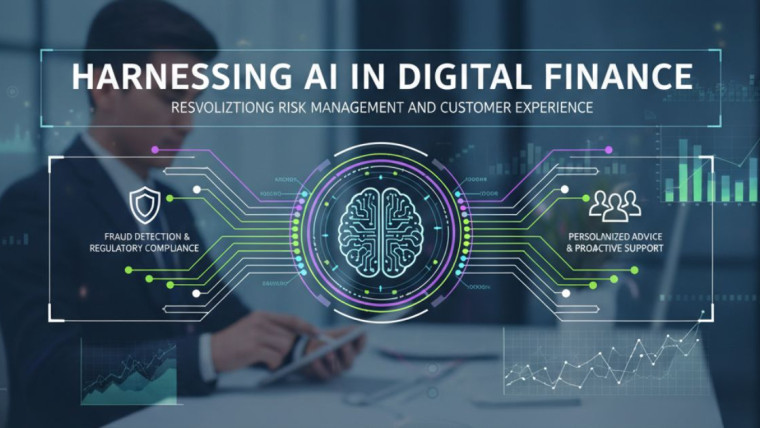
Automated monitoring can help identify unusual financial activity, operational problems, security events, and changing performance patterns. However, technology should support rather than completely replace human judgment. Businesses still need clear policies, responsible oversight, and regular evaluation of their risk processes.
Best Practices for Modern Risk Management
Businesses can strengthen their risk management processes by making them practical, measurable, and connected to broader organizational goals. Management should maintain updated risk assessments, establish clear responsibilities, document response procedures, and regularly review financial and operational performance. Employee training is also important because risk controls are only effective when employees understand how and why they should be followed.
Risk management should also be integrated into Business Finance, Financial Planning, operational planning, and long-term strategy. This creates a more coordinated approach to managing uncertainty across the organization.
Conclusion
Risk management plays an important role in helping modern businesses prepare for uncertainty, protect resources, and support sustainable growth. By identifying potential threats and developing appropriate responses, organizations can improve their resilience and make more informed decisions.
Its relationship with Business Finance, Wealth Management, and Financial Planning makes risk management especially valuable for organizations focused on long-term financial stability. As technology, markets, and customer expectations continue to evolve, businesses that regularly review and improve their risk management processes can be better prepared to respond to changing conditions.
Frequently Asked Questions
1. What is Risk Management in business?
Risk management is the process of identifying, assessing, and responding to potential events that could negatively affect a business. It helps organizations reduce uncertainty, protect resources, and prepare for unexpected challenges.
2. Why is Risk Management important for businesses?
Risk management helps businesses identify potential problems before they become major disruptions. It can support better decision-making, protect financial resources, improve business continuity, and strengthen long-term planning.
3. How does Risk Management support Business Finance?
Risk management helps businesses identify financial exposure related to cash flow, debt, investments, expenses, and market changes. This information can support more responsible financial decisions and stronger financial controls.
4. What is the relationship between Risk Management and Financial Planning?
Financial Planning considers future financial goals and resources, while risk management considers uncertainties that could affect those plans. Combining both approaches helps businesses prepare for different financial scenarios.
5. Can Risk Management eliminate all business risks?
No. Risk management cannot eliminate every possible risk. Its purpose is to identify important risks, understand their potential impact, and develop appropriate strategies to reduce or manage their effects.
6. How does Risk Management help business growth?
Risk management helps businesses understand potential challenges associated with expansion. By assessing risks before making major investments or strategic decisions, companies can plan more carefully while pursuing growth opportunities.
7. What role does Risk Management play in Wealth Management?
Risk management can support Wealth Management by helping individuals and business owners consider asset protection, diversification, liquidity, and financial uncertainty. It can contribute to protecting long-term financial objectives.
8. What are common types of business risks?
Common types include financial, operational, strategic, cybersecurity, compliance, reputational, and market risks. The specific risks a business faces depend on its industry, size, location, operations, and business model.
9. How often should a business review its Risk Management strategy?
Businesses should review their risk management strategy regularly and whenever significant changes occur. New technology, market conditions, regulations, business expansion, or major operational changes may require an updated assessment.
10. How can a small business start Risk Management?
A small business can begin by identifying its major financial, operational, technology, and strategic risks. It can then prioritize those risks, establish preventive controls, create contingency plans, and review the strategy periodically.





What Is Financial Technology (FinTech)? Everything You Need to Know
The Rise of Financial Avatars: How AI Will Represent You in Future Banking
How Financial Technology Is Transforming Digital Payments
Digital Marketing for Financial Services: Strategies That Deliver Results
The Importance of Risk Management in Modern Business
How Financial Technology Is Transforming Digital Payments
How Digital Banking Is Changing the Future of Financial Management
How Financial Consulting Supports Sustainable Business Growth