

In today’s digital landscape, the way we access, share, and manage money is undergoing a profound shift. A digital finance ecosystem blends cutting-edge technologies, diverse institutions, and innovative services to create a unified and frictionless financial experience. This interconnected network not only elevates convenience for individuals and enterprises but also bolsters security, transparency, and adaptability. As financial services gravitate from siloed, legacy systems toward dynamic, open platforms, participants benefit from real-time insights, streamlined processes, and tailored offerings.
Currently, the orchestration of blockchain ledgers, artificial intelligence engines, and open banking interfaces is enabling unprecedented collaboration among banks, fintech startups, regulators, and technology vendors. By weaving together these elements in a modular framework, stakeholders can introduce new products swiftly, comply with evolving rules, and optimize operations without overhauling entire infrastructures. The overarching aim of a robust digital finance ecosystem is to democratize access to capital, lower transaction costs, and enhance customer engagement. Today, companies and consumers alike expect seamless interactions—from instant cross-border payments to personalized investment advice—accessible through intuitive web and mobile applications.
As we delve into this topic in 2026, we will unpack the essential components powering these ecosystems, explore how they integrate to drive value, and examine the challenges and solutions shaping their evolution. Along the way, we’ll point to authoritative research—including insights from the World Bank (https://www.worldbank.org) and the Federal Reserve (https://www.federalreserve.gov)—to ground our understanding in real-world developments and rigorous analysis.
Fundamental Building Blocks of a Digital Finance Ecosystem
A thriving digital finance ecosystem rests on a combination of interoperable platforms, robust data protocols, and layered application services. Interoperability ensures that diverse systems—such as banks, payment gateways, and digital wallets—communicate reliably. By adhering to standardized architectural frameworks and messaging formats, these platforms eliminate manual reconciliations, reducing errors and accelerating settlement. Modular infrastructure, often delivered via cloud-native microservices, enables organizations to spin up new capabilities—like loan origination or insurance underwriting—without disturbing core operations.
Secure data exchange sits at the heart of trust in any digital finance ecosystem. Blockchain-based networks or encrypted APIs guarantee that financial records remain tamper-resistant, auditable, and confidential. Permissioned ledgers allow participants to validate transactions while preserving privacy through techniques such as zero-knowledge proofs. When sensitive information traverses multiple entities, layered encryption and tokenization shield personal and commercial data from unauthorized access.
On top of this foundation, user-facing applications deliver intuitive journeys for consumers and businesses. From frictionless onboarding flows to mobile dashboards displaying real-time balances, these interfaces simplify complex processes. Businesses can integrate white-labeled solutions via software development kits (SDKs) or embed financial modules directly into their enterprise resource planning (ERP) systems. The result is a cohesive experience that spans multiple channels—web, mobile, and in-app—enabling users to engage with loans, investments, payments, and analytics within a single ecosystem.
By harmonizing these building blocks, ecosystem architects can introduce new features in a plug-and-play fashion, adapt swiftly to regulatory changes, and scale operations to millions of customers without sacrificing performance or compliance.
Decentralized Ledger and Blockchain Infrastructure

Blockchain technology underpins a significant portion of modern digital finance ecosystems by providing a decentralized, immutable ledger for recording transactions. Unlike traditional centralized databases, distributed ledgers allow multiple institutions to maintain synchronized copies of transaction records, reducing reconciliation overhead and minimizing counterparty risk. Organizations can select from public, private, or consortium blockchain models based on governance requirements, transaction throughput, and privacy considerations.
Smart contracts—self-executing scripts deployed on a blockchain—automate complex workflows such as escrow arrangements, compliance verifications, and conditional settlements. By eliminating intermediaries and manual steps, smart contracts accelerate transaction cycles and cut operational costs. For instance, real-time settlement of securities trades becomes feasible, transforming multi-day processes into near-instant exchanges.
Another transformative aspect is asset tokenization: the representation of physical or financial assets—such as real estate, bonds, or commodities—as digital tokens on a blockchain. This innovation unlocks fractional ownership, enhances liquidity, and broadens access to previously illiquid markets. Ecosystem participants can trade tokenized assets on regulated digital exchanges, benefiting from transparency and provenance tracking. Techniques like permissioned access controls and off-chain privacy layers ensure that transaction details remain confidential while meeting audit and regulatory requirements.
Leading financial institutions and consortia are piloting blockchain solutions for cross-border payments, trade finance, and identity management. As these pilots scale in 2026, they promise to reshape legacy processes, offering faster, more transparent services to end users. The ongoing alignment of blockchain networks with regulatory frameworks is critical to ensure compliance and foster widespread adoption.
Intelligence Layer: AI and Machine Learning in Finance
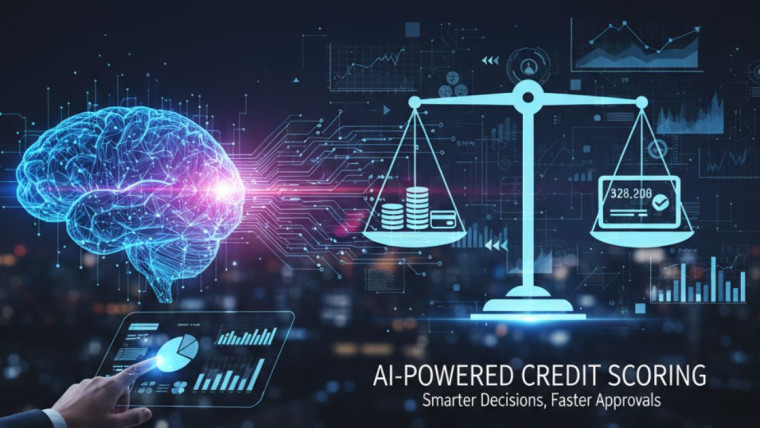
Artificial intelligence (AI) and machine learning (ML) serve as the analytical engine within a digital finance ecosystem, turning raw data into actionable insights. By processing vast volumes of transactional, behavioral, and third-party data, ML algorithms can refine risk assessments, automate decision-making, and personalize customer interactions. For example, alternative credit scoring models leverage machine learning to evaluate nontraditional data points—such as online behavior or utility payment histories—enabling lenders to extend services to underbanked populations with greater accuracy.
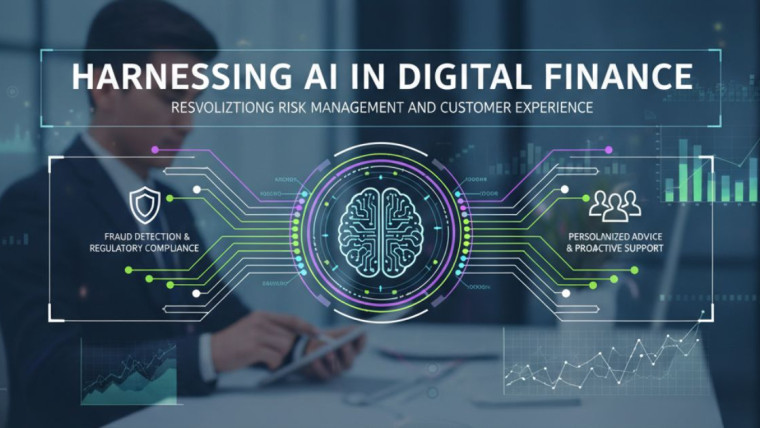
Real-time fraud detection systems employ anomaly detection techniques to flag suspicious activities as they occur. By continuously training on new patterns of transactional data, these models adapt to emerging threats, minimizing false positives and reducing fraud losses. In customer service, natural language processing (NLP) powers chatbots and virtual assistants that resolve inquiries around the clock. These conversational agents can handle routine tasks—like balance inquiries or fund transfers—freeing human agents to tackle more complex issues.
Portfolio management platforms are increasingly incorporating AI-driven optimization engines to rebalance investments based on market fluctuations, risk tolerance, and regulatory constraints. Predictive analytics tools forecast liquidity needs and market trends, enabling institutions to allocate capital more efficiently. All these capabilities rely on a robust data infrastructure that supports distributed training, model governance, and explainability—key requirements for maintaining regulatory compliance and building user trust.
In today’s competitive environment, embedding AI/ML capabilities at multiple layers of the ecosystem—from front-end personalization to back-end risk controls—provides a strategic advantage, driving both customer satisfaction and operational excellence.
Open Banking APIs and Embedded Finance: Driving Collaboration

Open banking APIs are catalysts for innovation in digital finance ecosystems, enabling third-party developers to build applications that seamlessly interact with bank accounts, payment rails, and financial services. Regulatory initiatives like PSD2 in Europe and similar frameworks elsewhere mandate standardized endpoints for account access and payment initiation. This fosters an ecosystem where fintech startups and established banks collaborate to deliver value-added services without duplicating infrastructure investments.
Through secure API orchestration layers, developers can manage authentication, authorization, rate limiting, and data mapping. This ensures a consistent, secure user experience across multiple providers. Fintech firms can launch niche solutions—such as automated savings tools, personal finance dashboards, or peer-to-peer lending platforms—while relying on banks’ core banking capabilities and license structures.
Embedded finance takes this concept a step further by integrating financial services directly into non-financial digital touchpoints. E-commerce platforms can offer point-of-sale financing options, ride-sharing apps can provide in-app wallets and micro-insurance for drivers, and enterprise software solutions can embed real-time expense management modules. By delivering financial products where and when users need them, companies increase engagement, foster loyalty, and unlock new revenue streams.
One notable example in 2026 is the collaboration between consumer marketplaces and digital lenders: merchants can offer instant, data-driven loan approvals at checkout, using sales history as underwriting collateral. Such integrations blur the distinction between traditional financial institutions and digital service providers, ushering in a new era of hyper-convenient, contextual finance.
Security, Compliance, and Regulatory Technology
Trust is the cornerstone of any successful digital finance ecosystem. To uphold that trust, participants must implement robust security measures and adhere to a complex web of regulations. Multi-factor authentication (MFA) and biometric verification protect user credentials, while hardware security modules safeguard cryptographic keys. Continuous vulnerability scanning and real-time threat intelligence feeds are essential to proactively identify and remediate cyber risks.
Regulatory compliance is streamlined through RegTech solutions that automate anti-money laundering (AML) monitoring, know-your-customer (KYC) onboarding, and transaction screening. Machine learning models can detect suspicious patterns, generate alerts, and provide audit trails for investigators. Data privacy frameworks—such as the General Data Protection Regulation (GDPR) and the California Consumer Privacy Act (CCPA)—mandate strict controls over data collection, storage, and sharing. Privacy-enhancing technologies like homomorphic encryption and secure multi-party computation enable collaborative analytics without exposing raw data.
Governance structures should align incentives across ecosystem partners, with clear policies governing data usage, incident response, and breach notification. Sandbox environments, often supported by regulators, allow innovators to test new products in controlled settings, accelerating development while maintaining oversight. As cyber threats evolve this year (2026), a holistic security and compliance posture—combining people, processes, and technology—will be critical to safeguarding assets, maintaining regulatory alignment, and preserving consumer confidence.
Frequently Asked Questions
- What are the key components of a digital finance ecosystem?
- The key components include interoperable platforms, secure data protocols, blockchain infrastructure, AI/ML intelligence layers, open banking APIs, embedded finance modules, and robust security/compliance frameworks.
- How does blockchain technology enhance digital finance?
- Blockchain provides a decentralized and immutable ledger, reduces reconciliation overhead, enables smart contracts, and supports asset tokenization for greater liquidity and transparency.
- What role do AI and machine learning play in financial services?
- AI and ML turn raw data into insights, automate risk assessments, personalize customer interactions, detect fraud in real time, and optimize portfolio management through predictive analytics.
Conclusion
In 2026, digital finance ecosystems stand at the forefront of financial innovation, melding blockchain, AI, open APIs, and embedded services into cohesive networks. These ecosystems empower organizations to deliver faster, more transparent, and highly personalized services while extending financial access to previously underserved segments. Although challenges such as legacy integration and regulatory complexity remain, collaborative frameworks and advanced RegTech tools help stakeholders navigate these hurdles. As institutions continue to refine their architectures and embrace new technologies, network effects will favor those that prioritize interoperability, security, and user-centric design. Ultimately, the evolution of digital finance ecosystems promises to reshape global finance—unlocking new efficiencies, fostering social inclusion, and driving sustainable economic growth in today’s interconnected world.




Embedded Finance: How Seamless Financial Services Are Integrating into Everyday Apps
What Is Financial Technology (FinTech)? Everything You Need to Know
What Is Digital Automation? A Complete Beginner Guide
The Most Comprehensive Guide to Pitching Your Fintech Idea to Investors
Building the Future: Digital Finance Ecosystems Explained
Unlocking the Future: Innovations in Digital Finance Today
Central Bank Digital Currencies: Shaping Digital Finance
Decentralized Finance: How DeFi Transforms Digital Finance