
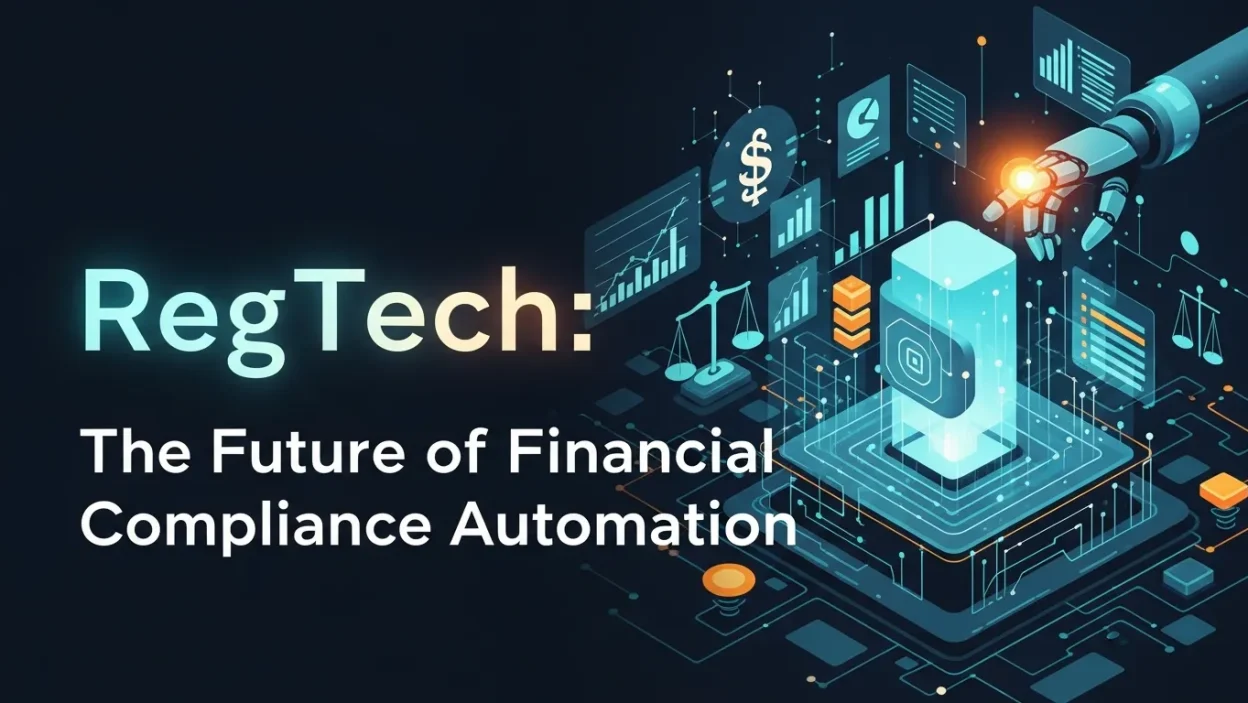
RegTech in Financial Compliance leverages AI, blockchain, and cloud technology to automate KYC, transaction monitoring, and reporting. It reduces costs, minimizes errors, and enhances risk management, making continuous compliance essential for modern financial institutions.
Financial institutions today face an unprecedented regulatory burden. Following the 2008 financial crisis, regulatory requirements have expanded dramatically, creating compliance challenges that traditional manual processes struggle to address. Enter RegTech – the technological answer to modern compliance demands.
What is RegTech?
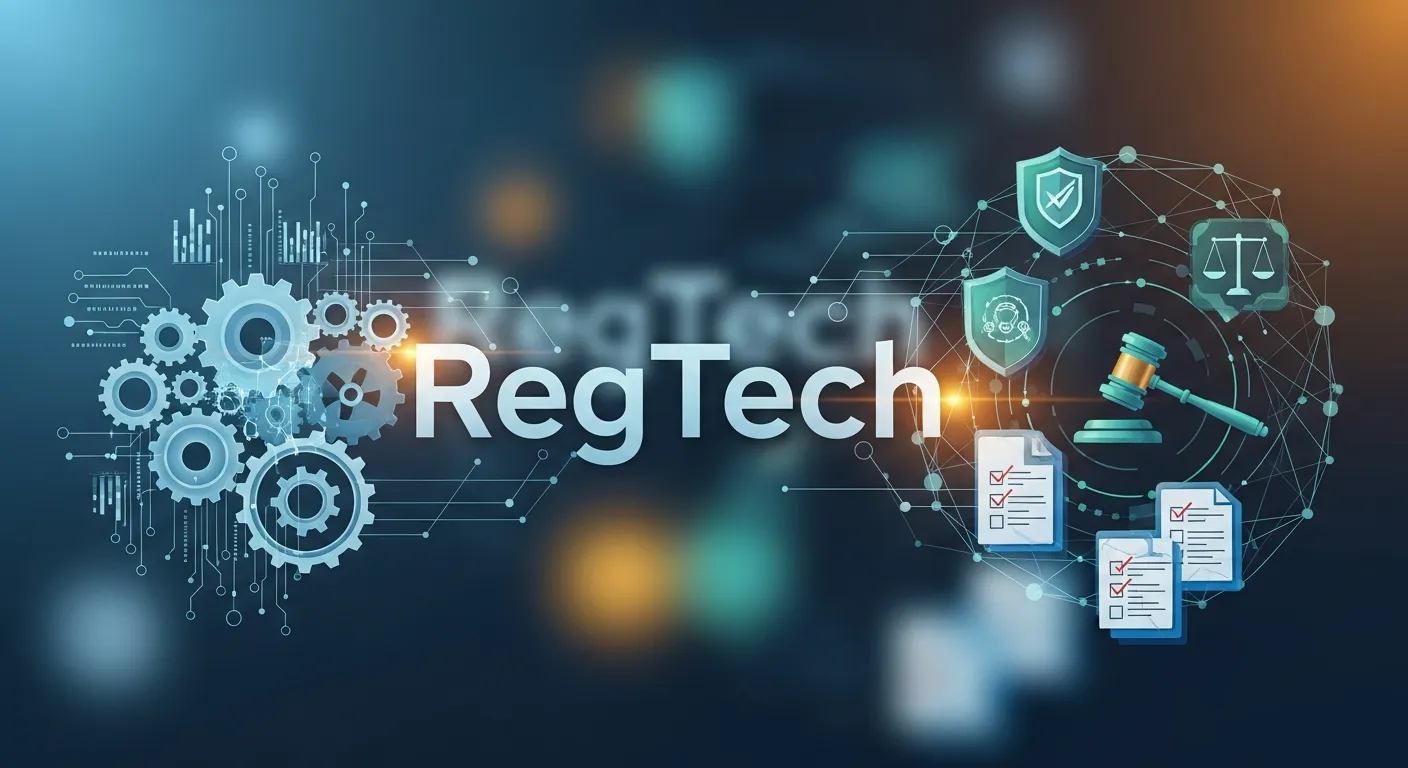
RegTech, short for Regulatory Technology, is the convergence of technology and regulatory compliance designed to help financial institutions navigate an increasingly complex regulatory environment. It consists of specialized software and technological solutions that automate compliance tasks, reduce manual workload, and ensure accuracy and efficiency. Unlike traditional compliance processes, which rely heavily on human oversight, paper-based reporting, and periodic checks, RegTech leverages advanced technologies such as artificial intelligence, machine learning, blockchain, and cloud computing. These tools enable real-time monitoring, automated reporting, risk assessment, fraud detection, and streamlined regulatory adherence, making compliance faster, more reliable, and scalable across the entire financial ecosystem.
Why RegTech in Financial Compliance Is No Longer Optional
RegTech in financial compliance has shifted from a competitive advantage to an operational necessity. As regulatory scrutiny intensifies, institutions relying on manual compliance processes face rising costs, delays, and heightened risk exposure.
Modern financial systems move too fast for human-only oversight. RegTech in financial compliance enables institutions to keep pace with regulatory change while maintaining accuracy, transparency, and audit readiness.
Why RegTech in financial compliance is essential today:
-
Regulations change faster than manual systems can adapt
-
Compliance costs continue to rise year over year
-
Error tolerance from regulators is shrinking
-
Real-time monitoring is becoming mandatory
The Growing Need for Compliance Automation
Financial regulations continue to multiply in complexity and volume. Banks and financial services companies now spend between 4-10% of their revenue on compliance, according to Thomson Reuters’ Cost of Compliance Report.
Traditional compliance approaches can’t keep pace with this expanding regulatory landscape. Manual processes are not only time-consuming but prone to human error – a risk financial institutions can’t afford to take.
At Digitafin, we’ve observed how compliance challenges increasingly strain resources for financial institutions of all sizes. The pressure to maintain compliance while controlling costs has never been greater.
The Cost Pressure Driving RegTech in Financial Compliance
Compliance has become one of the most expensive operational functions in finance. RegTech in financial compliance directly addresses this pressure by automating labor-intensive processes that previously required large teams.
By reducing manual reviews and repetitive reporting tasks, RegTech frees compliance professionals to focus on judgment-based decision-making rather than administrative work.
Cost-saving impacts of RegTech in financial compliance:
-
Lower staffing requirements for repetitive tasks
-
Reduced penalties from compliance failures
-
Faster response to regulatory inquiries
-
Improved audit efficiency
How RegTech is Transforming Compliance
RegTech solutions address multiple compliance pain points through automation. These technologies can monitor transactions in real-time, flag suspicious activities, and generate comprehensive reports with minimal human intervention.
The impact is significant. Financial institutions implementing RegTech solutions report reduced compliance costs, faster regulatory responses, and fewer errors. Many see substantial improvements in risk management capabilities as well.
Identity verification serves as a perfect example of RegTech in action. Traditional KYC (Know Your Customer) processes might take days and involve multiple document reviews. Modern RegTech solutions can verify identities almost instantly using biometric technology and automated document verification.
Real-Time Monitoring: A Core Strength of RegTech in Financial Compliance
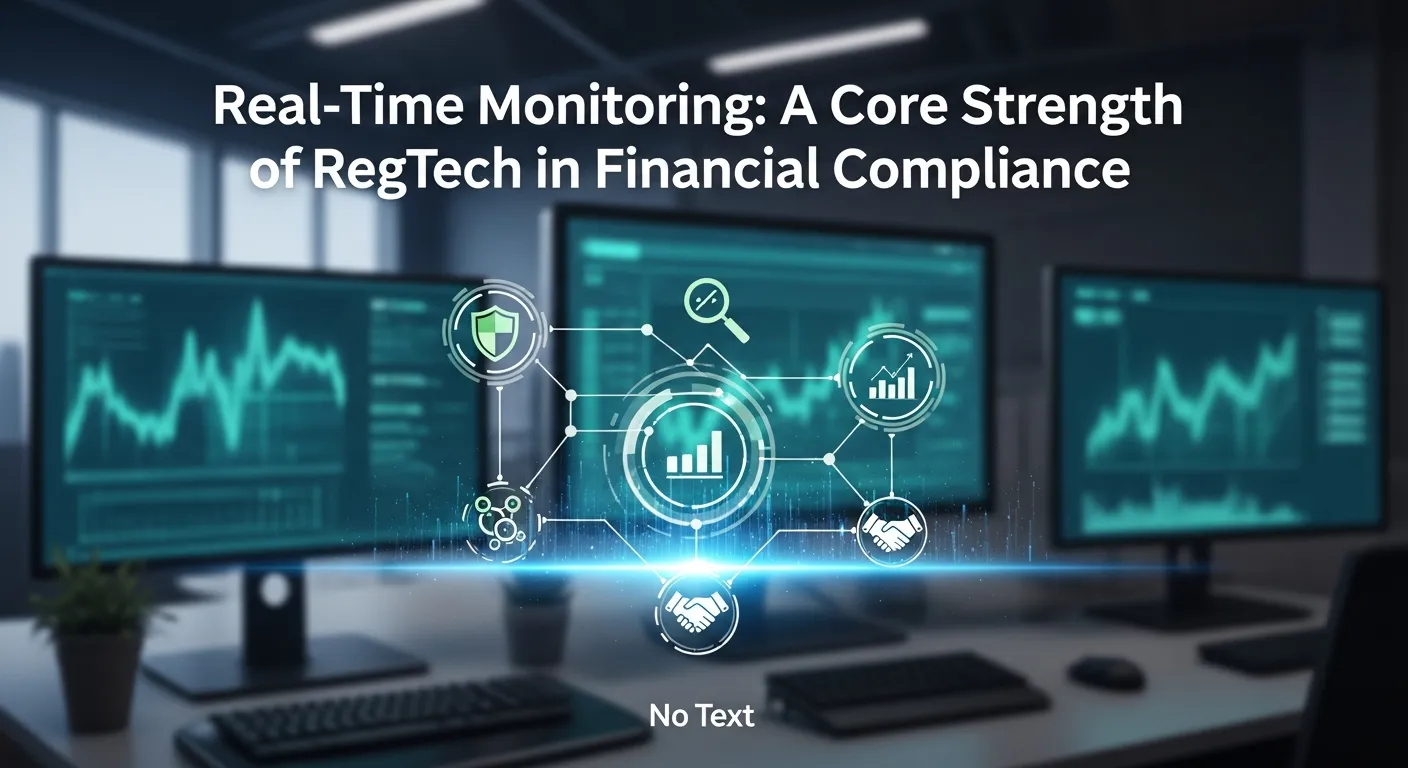
A key breakthrough of RegTech in financial compliance is its ability to provide real-time monitoring. Traditional compliance methods often involve reviewing transactions after they occur, which can delay the detection of risks and increase exposure to regulatory violations or fraudulent activities. RegTech transforms this approach by enabling institutions to identify potential issues as they happen, shifting compliance from reactive to proactive.
This real-time oversight not only enhances the speed and accuracy of risk detection but also helps safeguard an institution’s reputation and maintain regulatory trust. Financial institutions can respond immediately to suspicious activity, prevent fraud before it escalates, and streamline internal reporting processes.
Capabilities enabled by real-time RegTech systems include:
-
Continuous transaction surveillance: Monitoring millions of transactions simultaneously to ensure compliance across all activities.
-
Instant anomaly detection: Identifying unusual patterns or behaviors in financial data that may indicate risk or fraud.
-
Automated escalation workflows: Triggering immediate alerts and follow-up actions without manual intervention.
-
Live compliance dashboards: Providing compliance teams with real-time visibility into transactions, risk levels, and regulatory metrics for informed decision-making.
By integrating real-time monitoring, RegTech empowers financial institutions to maintain a continuous, adaptive compliance environment, improving efficiency, reducing human error, and enhancing overall risk management.
Key RegTech Applications
RegTech’s capabilities extend across several critical compliance areas:
Risk management systems analyze vast datasets to identify potential risks before they materialize. These platforms can assess credit risks, market volatility, and operational vulnerabilities with remarkable accuracy.
Regulatory reporting tools automatically gather, format, and submit required information to regulatory bodies. This automation eliminates the time-consuming task of manual report preparation.
Fraud detection systems employ sophisticated algorithms to identify unusual patterns that might indicate fraudulent activity. According to the Association of Certified Fraud Examiners, organizations can reduce fraud losses by up to 56% through proactive monitoring and detection.
Transaction monitoring has evolved significantly under RegTech. Modern systems can analyze millions of transactions simultaneously, flagging suspicious activities in real-time rather than during periodic reviews.
RegTech in Financial Compliance Across the Compliance Lifecycle
RegTech in financial compliance supports the entire regulatory lifecycle—from onboarding to ongoing monitoring and reporting.
Rather than treating compliance as a standalone function, RegTech integrates it into daily operations, creating a continuous compliance environment.
Lifecycle stages supported by RegTech:
-
Customer onboarding and KYC
-
Transaction and behavior monitoring
-
Risk scoring and alerts
-
Regulatory reporting and audits
This end-to-end coverage strengthens institutional resilience.
Challenges to RegTech Implementation
Despite its benefits, RegTech adoption faces obstacles. Legacy systems in many financial institutions weren’t designed to integrate with modern compliance tools. This technical incompatibility often requires significant investment to overcome.
Data quality issues present another hurdle. RegTech solutions depend on accurate, well-structured data. Many institutions struggle with scattered information across multiple platforms and formats.
Some regulatory bodies remain cautious about automated compliance approaches. This regulatory uncertainty can slow adoption as institutions await clear guidance.
Data Quality: The Hidden Dependency of RegTech in Financial Compliance
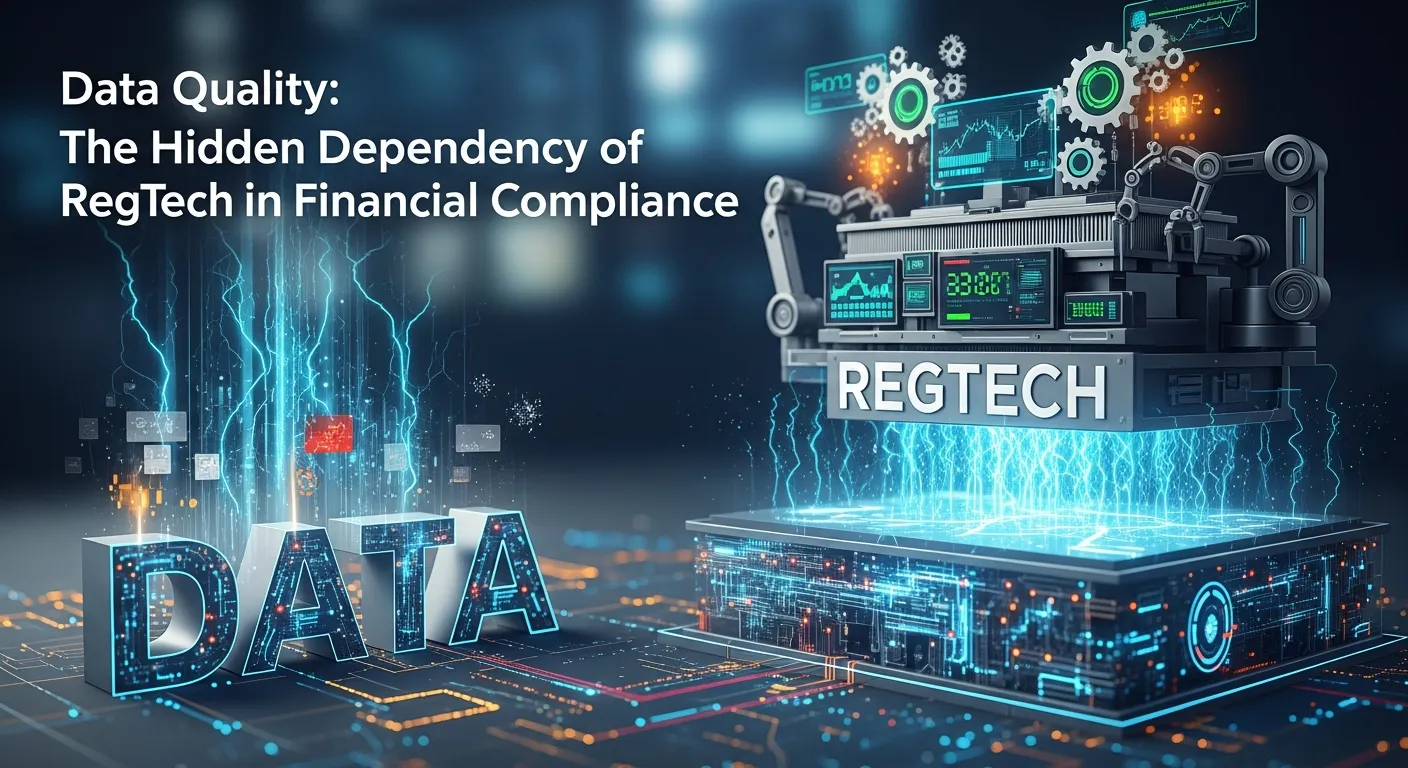
RegTech in financial compliance is only as effective as the data it analyzes. Poor data quality can undermine even the most advanced compliance tools.
Institutions must address data fragmentation, inconsistent formats, and outdated records to unlock the full value of RegTech investments.
Key data readiness requirements include:
-
Centralized data management
-
Standardized data formats
-
Strong data governance policies
-
Continuous data validation
Traditional Compliance vs RegTech in Financial Compliance
| Area | Traditional Compliance | RegTech in Financial Compliance |
|---|---|---|
| Monitoring | Periodic, manual | Continuous, automated |
| Error Risk | High | Low |
| Scalability | Limited | Highly scalable |
| Reporting | Manual preparation | Auto-generated |
| Regulatory Response | Slow | Near real-time |
This comparison highlights why RegTech in financial compliance is increasingly favored by regulators and institutions alike.
The Future of RegTech
As regulatory complexity continues to increase, RegTech solutions will become increasingly essential. Several trends are emerging:
Regulatory authorities are becoming more tech-savvy, increasingly supporting technology-based compliance methods. Some are even developing their own RegTech tools to improve supervision capabilities.
Cloud-based RegTech solutions are gaining popularity, offering scalability and accessibility without massive infrastructure investments. This approach particularly benefits smaller financial institutions with limited IT resources.
Cross-border compliance remains challenging due to varying regulatory requirements. Future RegTech tools will likely offer more sophisticated jurisdiction-specific configurations to address these global challenges.
Cloud and AI as Enablers of RegTech in Financial Compliance
Cloud computing and artificial intelligence are key drivers of RegTech adoption in financial compliance. Cloud-based platforms offer scalable, cost-effective infrastructure and allow institutions to implement rapid updates as regulations change. AI enhances RegTech capabilities by providing advanced pattern recognition, anomaly detection, and predictive risk modeling—tasks that traditional manual compliance teams struggle to perform efficiently. Combined, cloud and AI make RegTech solutions more powerful, accessible, and effective, enabling financial institutions to maintain real-time compliance, reduce errors, and improve risk management.
Regulators and RegTech: A Converging Path
Regulatory bodies themselves are beginning to adopt RegTech in financial compliance—often referred to as “SupTech.” This shift signals growing trust in automated compliance systems.
As regulators become more technology-driven, institutions using RegTech will find it easier to align with supervisory expectations.
Emerging regulatory trends include:
-
Machine-readable regulations
-
Automated regulatory reporting
-
Digital audits and inspections
-
Real-time supervisory access
Making the Transition to RegTech
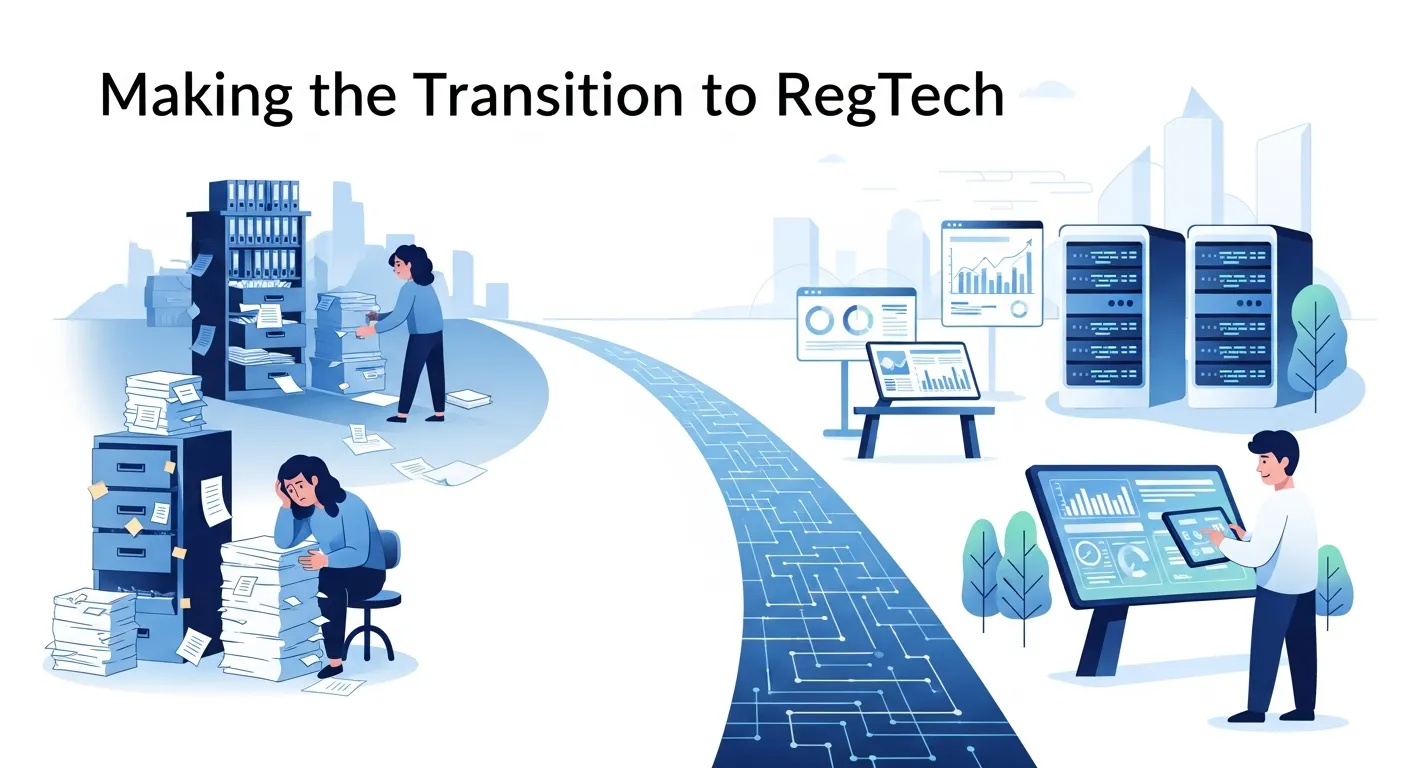
Financial institutions looking to adopt RegTech should begin with a comprehensive assessment of their current compliance processes, regulatory requirements, and existing technological infrastructure. Understanding the strengths and limitations of their current systems helps identify areas where automation will provide the greatest efficiency gains and risk mitigation benefits.
A phased or incremental implementation approach is often the most effective. By starting with a single compliance function—such as KYC verification, transaction monitoring, or regulatory reporting—institutions can test the technology, measure its impact, and fine-tune processes before scaling it across other compliance areas. This approach reduces operational disruption and allows teams to gain confidence in the new system gradually.
Equally important is securing leadership buy-in. Successful RegTech adoption requires decision-makers to fully understand both the upfront costs of implementation and the long-term benefits, including reduced compliance expenses, improved accuracy, real-time monitoring, and enhanced risk management. Engaging stakeholders across departments, from IT to compliance, ensures smoother integration, promotes collaboration, and fosters a culture that embraces innovation.
Conclusion
RegTech represents more than just another fintech innovation – it’s becoming an essential component of modern financial compliance. As regulations grow more complex and penalties for non-compliance more severe, the case for automation becomes increasingly compelling.
Forward-thinking financial institutions are already embracing RegTech as a strategic advantage. Those that successfully implement these technologies can expect not only reduced compliance costs but also enhanced risk management capabilities and improved customer experiences through faster processes.
The question for financial institutions is no longer whether to adopt RegTech, but how quickly they can integrate these powerful tools into their compliance framework.
FAQs: RegTech in Financial Compliance
1. What is RegTech in financial compliance?
RegTech, short for Regulatory Technology, is a set of software and technological solutions that help financial institutions comply with regulations efficiently. It leverages automation, AI, machine learning, blockchain, and cloud computing to streamline compliance tasks, reduce manual work, and improve accuracy.
2. Why is RegTech important today?
As financial regulations grow increasingly complex and costly, RegTech provides a solution by reducing manual processes, minimizing errors, ensuring real-time compliance, and allowing institutions to respond faster to regulatory changes.
3. How does RegTech differ from traditional compliance?
Traditional compliance relies heavily on manual checks, paper-based processes, and periodic reporting. RegTech, in contrast, provides continuous monitoring, real-time reporting, automated risk assessment, and proactive regulatory adherence.
4. What are the main benefits of RegTech?
RegTech helps financial institutions cut operational costs, enhance risk management, improve audit and reporting efficiency, streamline KYC and onboarding processes, detect fraud faster, and ensure continuous regulatory compliance.
5. Which financial compliance areas does RegTech cover?
RegTech supports multiple compliance functions, including KYC (Know Your Customer), AML (Anti-Money Laundering), transaction monitoring, fraud detection, risk management, and regulatory reporting across the entire compliance lifecycle.
6. How does RegTech improve risk management?
By analyzing large datasets in real time, RegTech identifies potential risks, unusual patterns, and fraudulent activities before they escalate, allowing institutions to mitigate financial, operational, and reputational risks proactively.
7. Can RegTech handle real-time monitoring?
Yes. Modern RegTech platforms continuously monitor transactions, detect anomalies instantly, and trigger automated alerts or escalation workflows, reducing the risk of non-compliance and fraud.
8. What challenges do institutions face when adopting RegTech?
Challenges include integrating RegTech with legacy systems, ensuring high-quality and structured data, navigating regulatory uncertainty, and managing upfront implementation and training costs.
9. How does RegTech reduce compliance costs?
By automating repetitive tasks, minimizing errors, and reducing reliance on large compliance teams, RegTech significantly lowers operational expenses while improving speed and accuracy.
10. What role do AI and cloud computing play in RegTech?
AI enhances predictive risk modeling, anomaly detection, and fraud prevention, while cloud platforms offer scalable, accessible, and up-to-date compliance systems, making RegTech implementation easier for institutions of all sizes.
11. Is RegTech only suitable for large financial institutions?
No. Many RegTech solutions are cloud-based and modular, making them cost-effective and scalable for small and medium-sized banks, fintech companies, and other financial institutions, not just large enterprises.
12. What is the future of RegTech in financial compliance?
The future lies in hybrid, AI-driven, and cloud-enabled RegTech solutions that integrate seamlessly with traditional systems. These technologies will make compliance faster, more accurate, globally scalable, and aligned with regulatory supervision trends.






What Is Financial Technology (FinTech)? Everything You Need to Know
FinTech and Traditional Banking: How Old Banks Are Adapting
The Importance of Risk Management in Modern Business
How Financial Technology Is Transforming Digital Payments
How to Create a Retirement Planning Strategy That Works
How Digital Asset Management Improves Business Efficiency
The Importance of Risk Management in Modern Business
How Financial Technology Is Transforming Digital Payments